2-Amino-5-nitropyrimidine is a chemical compound widely utilized in the synthesis of heterocyclic compounds. It serves as a fundamental building block in organic chemistry, playing a crucial role in the development of complex molecules with specific biological activities. Its structural framework of pyrimidine provides a versatile platform for further chemical modifications, making it essential in various synthetic pathways. In laboratory settings, this compound is frequently employed as a starting material for reactions aimed at producing compounds with pharmacological or industrial applications.
The compound's stable chemical structure and controlled reactivity contribute to its popularity among chemists. These properties allow it to participate in substitution reactions and other essential chemical transformations necessary for the synthesis of more complex molecules. Its ability to engage in diverse reaction mechanisms enhances its utility in the creation of compounds with tailored functional properties. This versatility makes it a preferred choice for researchers working in synthetic chemistry.
In Indonesian laboratories, 2-Amino-5-nitropyrimidine is commonly used in organic chemistry, pharmaceutical, and biochemical research. It supports the development of new compounds with potential medical or industrial applications. Its availability in the local market ensures accessibility for researchers and professionals in the field, facilitating ongoing scientific investigations and innovation.
Related TCI products
- TCI M3080 14001-69-5 2-Methoxy-5-nitropyrimidine
- TCI D1960 2164-83-2 4,6-Dihydroxy-5-nitropyrimidine
- TCI D4105 4316-93-2 4,6-Dichloro-5-nitropyrimidine
- TCI D3721 49845-33-2 2,4-Dichloro-5-nitropyrimidine
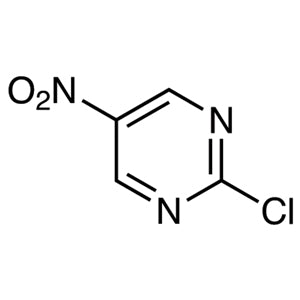
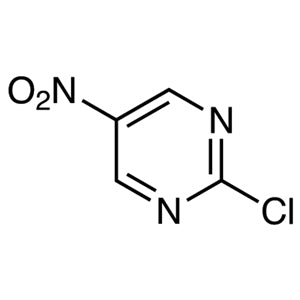
- TCI C2507 10320-42-0 2-Chloro-5-nitropyrimidine
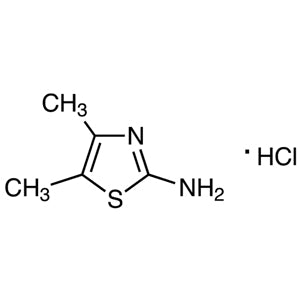
- TCI A0292 71574-33-9 2-Amino-4,5-dimethylthiazole Hydrochloride
- Organic synthesis applications benefit from this compound's role as a key intermediate in the creation of heterocyclic structures, which are essential in pharmaceutical development.
- Pharmaceutical research utilizes it to design and synthesize compounds with specific biological activities, contributing to drug discovery and development efforts.
- Biochemical studies leverage its structural properties to explore molecular interactions and functional group modifications in complex biological systems.
- Industrial chemical applications rely on its stability and reactivity to produce compounds with tailored properties for various commercial uses.
- Academic research institutions use it as a fundamental building block to advance knowledge in synthetic chemistry and molecular design.
| Brand | TCI |
|---|---|
| CAS number | 3073-77-6 |
| Molecular formula | — |
| Purity | — |
| Category | Chemistry > Building Blocks > Heterocyclic Building Blocks |
| Pack sizes | Available in standard laboratory quantities |
| Physical form | Solid |
| Storage | Store in a cool, dry place away from light and moisture |
This compound should be stored in a cool, dry environment, away from direct sunlight and moisture. It is recommended to use airtight containers to prevent exposure to air and humidity, which may affect its stability. Proper labeling of storage containers is essential for safety and traceability. Due to its chemical nature, it should be handled with appropriate personal protective equipment, such as gloves and safety goggles, to minimize exposure. In laboratory settings, it is important to ensure good ventilation to avoid inhalation of any vapors. Regular monitoring of storage conditions ensures the compound remains in optimal condition for use in research applications.
—
Produk Terkait
-
2-Methoxy-5-nitropyrimidine TCI M3080
Regular price Rp 2.914.800,00Regular priceRp 2.053.800,00Sale price Rp 2.914.800,00 -
4,6-Dihydroxy-5-nitropyrimidine TCI D1960
Regular price Rp 1.829.100,00Regular price -
4,6-Dichloro-5-nitropyrimidine TCI D4105
Regular price From Rp 2.174.550,00Regular price -
2,4-Dichloro-5-nitropyrimidine TCI D3721
Regular price Rp 1.618.050,00Regular priceRp 1.146.600,00Sale price Rp 1.618.050,00 -
2-Chloro-5-nitropyrimidine TCI C2507
Regular price From Rp 2.306.850,00Regular price -
2-Amino-4,5-dimethylthiazoleHydrochloride TCI A0292
Regular price From Rp 505.050,00Regular price -
2-Amino-4-methylthiazoleHydrochloride TCI A0336
Regular price From Rp 1.326.150,00Regular price -
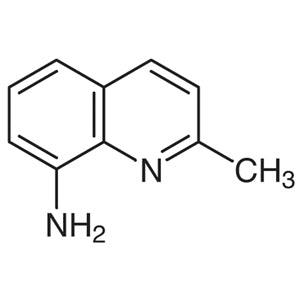
8-Amino-2-methylquinoline TCI A0416
Regular price From Rp 1.273.650,00Regular price