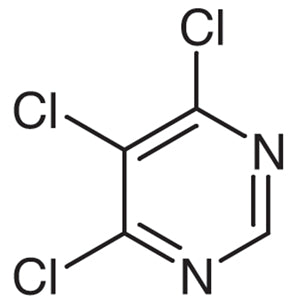
4-Amino-6-chloropyrimidine is a chemical compound widely used as a foundational building block in the synthesis of heterocyclic compounds. Its core pyrimidine structure provides a versatile platform for chemical modification, enabling the creation of various biologically active substances. In the laboratory, it serves as a key reagent for the development of pharmaceuticals, pesticides, and industrial chemicals. Its role is critical in facilitating substitution and atom replacement reactions, which are essential in organic chemistry.
This compound is valued for its chemical stability and controlled reactivity, making it a reliable choice for synthetic processes. The presence of an amino group and a chlorine atom at specific positions enhances its suitability for substitution and condensation reactions. Its solid form and compatibility with a wide range of reagents further contribute to its popularity in chemical synthesis. These properties ensure consistent performance and predictable outcomes in laboratory experiments.
In Indonesian laboratories, 4-Amino-6-chloropyrimidine is extensively used in scientific research and the development of chemical products. It is commonly found in pharmacological and organic chemistry studies, supporting the creation of new compounds and formulations. Its availability and functional versatility make it a preferred material for researchers and institutions engaged in chemical innovation and discovery.
TCI brochures (PDF)
- Nucleosides, Nucleotides, Nucleic Acids and Related Reagents 2026-03-23 · p. 8
- Drug synthesis applications benefit from this compound's pyrimidine core, enabling the design of novel pharmaceutical compounds with targeted biological activity.
- Pesticide development relies on its reactivity and structural versatility, allowing the creation of effective agrochemicals with specific insecticidal or herbicidal properties.
- Organic chemistry research utilizes its ability to undergo substitution and condensation reactions, making it ideal for the synthesis of complex heterocyclic structures.
- Industrial chemical production leverages its stability and compatibility with various reagents, supporting the manufacture of specialty chemicals and intermediates.
- Academic research in pharmacology and medicinal chemistry frequently incorporates this compound as a key building block for compound library development and drug discovery.
| Brand | TCI |
|---|---|
| CAS number | 5305-59-9 |
| Molecular formula | — |
| Purity | — |
| Category | Chemistry > Building Blocks > Heterocyclic Building Blocks |
| Pack sizes | Available in standard laboratory quantities |
| Physical form | Solid |
| Storage | Store in a cool, dry place away from light |
This compound should be stored in a cool, dry environment, away from direct light and sources of heat. It is recommended to use airtight containers to prevent moisture absorption and contamination. Due to its chemical stability, it does not require refrigeration but should be kept in a secure location to avoid accidental exposure. Laboratory personnel should handle it with appropriate personal protective equipment, including gloves and safety goggles, to ensure safe handling. Proper ventilation is also advised when working with this compound to minimize inhalation risks. Always follow standard laboratory safety protocols to maintain a safe working environment.
—
Produk Terkait
-
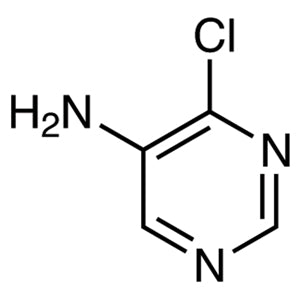
5-Amino-4-chloropyrimidine TCI A2937
Regular price From Rp 1.326.150,00Regular priceRp 942.900,00Sale price From Rp 1.326.150,00 -
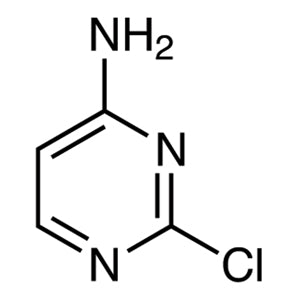
4-Amino-2-chloropyrimidine TCI A2719
Regular price From Rp 582.750,00Regular priceRp 423.150,00Sale price From Rp 582.750,00 -
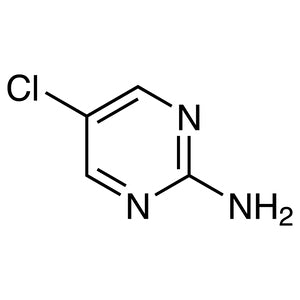
2-Amino-5-chloropyrimidine TCI A1918
Regular price Rp 1.192.800,00Regular priceRp 849.450,00Sale price Rp 1.192.800,00 -
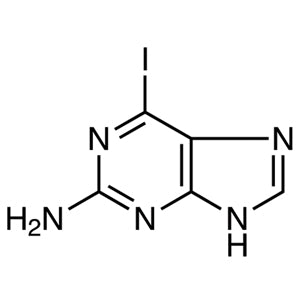
2-Amino-6-iodopurine TCI A2068
Regular price From Rp 2.068.500,00Regular priceRp 1.461.600,00Sale price From Rp 2.068.500,00 -
2-Amino-6-chloropurine TCI A1407
Regular price From Rp 1.008.000,00Regular priceRp 720.300,00Sale price From Rp 1.008.000,00 -
4,5,6-Trichloropyrimidine TCI T2550
Regular price Rp 2.464.350,00Regular priceRp 1.738.800,00Sale price Rp 2.464.350,00 -
2,4,5-Trichloropyrimidine TCI T2512
Regular price From Rp 1.670.550,00Regular priceRp 1.183.350,00Sale price From Rp 1.670.550,00 -
2,4,6,8-Tetrachloropyrimido[5,4-d]pyrimidine TCI T1810
Regular price From Rp 2.914.800,00Regular priceRp 2.053.800,00Sale price From Rp 2.914.800,00