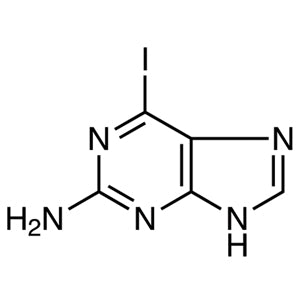
2-Amino-6-iodopurine is a chemical compound belonging to the heterocyclic category and serves as a fundamental building block in the synthesis of complex molecules. Its structure is derived from purine with iodine substituting at the 6-position and an amino group at the 2-position, enabling a wide range of chemical reactions. In the laboratory, this compound is widely used as a starting material for the development of pharmaceuticals, pesticides, and other organic compounds. Due to its reactivity, it is a key reagent in substitution and nucleophilic reactions, making it indispensable in synthetic chemistry workflows.
The compound's reactivity and structural versatility make it a preferred choice for researchers. Its heterocyclic framework allows for high reactivity, facilitating efficient synthetic pathways. It is chemically stable under controlled conditions but highly sensitive to moisture and sunlight, which necessitates careful handling. These properties make it a valuable tool in organic chemistry, particularly in applications requiring precise chemical transformations. Its stability in specific environments ensures consistent performance in laboratory experiments.
In Indonesian laboratories, 2-Amino-6-iodopurine is extensively used in organic chemistry, pharmacology, and biochemistry research. It is commonly found in academic and industrial research settings, supporting the development of new drugs and chemical compounds. Its role in various synthetic processes makes it a sought-after material among scientists and researchers working in diverse fields of study.
TCI brochures (PDF)
- Nucleosides, Nucleotides, Nucleic Acids and Related Reagents 2026-03-23 · p. 10
Related TCI products
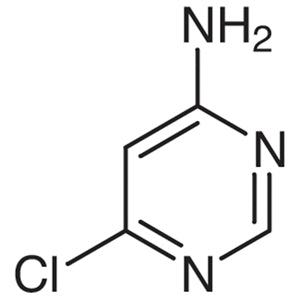
- TCI A2136 5305-59-9 4-Amino-6-chloropyrimidine
- TCI A1407 10310-21-1 2-Amino-6-chloropurine
- TCI T2691 5987-76-8 2',3',5'-Tri-O-acetyl-6-chloro-2-iodopurine Riboside
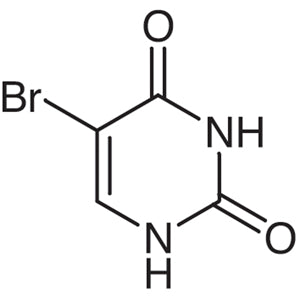
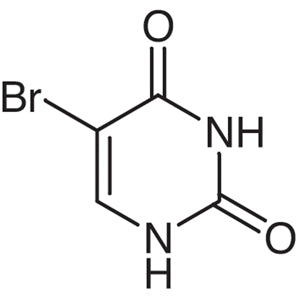
- TCI B0665 51-20-7 5-Bromouracil
- TCI I1161 163622-50-2 5-Iodo-7H-pyrrolo[2,3-d]pyrimidin-4-amine
- TCI I0941 151266-23-8 3-Iodo-1H-pyrazolo[3,4-d]pyrimidin-4-amine
- Organic synthesis: This compound is widely used in the synthesis of complex organic molecules due to its reactivity and structural versatility.
- Pharmaceutical research: It serves as a key building block in the development of new drugs and medicinal compounds.
- Pesticide formulation: Its chemical properties make it suitable for the synthesis of various pesticide compounds.
- Biochemical studies: It is utilized in biochemical research for its role in molecular interactions and reaction mechanisms.
- Academic research: It is a common reagent in university and research institute laboratories for teaching and experimental purposes.
| Brand | TCI |
|---|---|
| CAS number | 19690-23-4 |
| Molecular formula | — |
| Purity | — |
| Category | Chemistry > Building Blocks > Heterocyclic Building Blocks |
| Pack sizes | Available in various quantities as per standard chemical supply practices |
| Physical form | Solid, typically in crystalline or powder form |
| Storage | Requires storage in a cool, dry place away from light and moisture |
2-Amino-6-iodopurine should be stored in a cool, dry environment, away from direct sunlight and moisture to maintain its chemical integrity. It is recommended to use airtight containers made of glass or high-density polyethylene to prevent exposure to humidity. Due to its sensitivity to environmental factors, proper sealing and controlled storage conditions are essential. Laboratory personnel should handle the compound with care, using appropriate personal protective equipment. It is important to avoid prolonged exposure to air and light to preserve its reactivity and effectiveness in chemical reactions.
—
Produk Terkait
-
4-Amino-6-chloropyrimidine TCI A2136
Regular price From Rp 1.115.100,00Regular price -
2-Amino-6-chloropurine TCI A1407
Regular price From Rp 955.500,00Regular price -
2',3',5'-Tri-O-acetyl-6-chloro-2-iodopurineRiboside TCI T2691
Regular price From Rp 6.520.500,00Regular price -
5-Bromouracil TCI B0665
Regular price Rp 1.670.550,00Regular price -
5-Iodo-7H-pyrrolo[2,3-d]pyrimidin-4-amine TCI I1161
Regular price From Rp 2.227.050,00Regular price -
3-Iodo-1H-pyrazolo[3,4-d]pyrimidin-4-amine TCI I0941
Regular price From Rp 848.400,00Regular price -
5-Iodo-2,4-dimethoxypyrimidine TCI I0531
Regular price From Rp 2.359.350,00Regular price -
5-Iodouracil TCI I0219
Regular price From Rp 955.500,00Regular price


![163622-50-2 5-Iodo-7H-pyrrolo[2,3-d]pyrimidin-4-amine - AMI Scientific](http://amiscientific.com/cdn/shop/files/TCI2510I1161.jpg?v=1767120854&width=533)
![151266-23-8 3-Iodo-1H-pyrazolo[3,4-d]pyrimidin-4-amine - AMI Scientific](http://amiscientific.com/cdn/shop/files/TCI2510I0941.jpg?v=1767120554&width=533)