

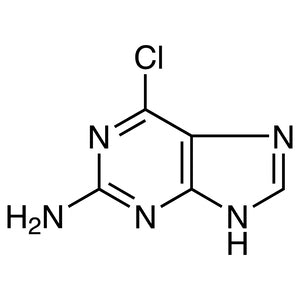
2-Amino-6-chloropurine is a chemical compound belonging to the heterocyclic category, widely utilized in organic synthesis, particularly in the production of compounds with purine-like structures. This compound serves as a fundamental building block in chemical reactions requiring complex heterocyclic frameworks. In laboratory settings, it plays a crucial role as a precursor for the synthesis of bioactive compounds, including pharmaceuticals and pharmacological agents. Its structural complexity enables a variety of substitution and other chemical reactions, making it a versatile tool in synthetic chemistry.
The compound’s chemical properties make it a preferred choice in laboratory applications. It exhibits stability under certain conditions but remains highly reactive to elevated temperatures, catalysts, and organic solvents. Its unique heterocyclic structure allows for diverse chemical transformations, which is essential in the development of new compounds with biological activity. The reactivity and structural versatility of 2-Amino-6-chloropurine make it a valuable resource for researchers aiming to create novel bioactive molecules.
In Indonesian laboratories, 2-Amino-6-chloropurine is commonly used in organic chemistry research, especially in pharmacology and biochemistry. It is a key reagent in experiments focused on the synthesis of bioactive compounds and the study of biological activities. Many research institutions and universities rely on this compound as a fundamental material for experimental work in these fields. Its widespread use underscores its importance in advancing scientific research in Indonesia.
TCI brochures (PDF)
- Nucleosides, Nucleotides, Nucleic Acids and Related Reagents 2026-03-23 · p. 10
- Organic synthesis is a primary application where 2-Amino-6-chloropurine is used to construct complex heterocyclic structures essential for pharmaceutical development.
- Pharmacological research benefits from this compound as it serves as a building block for synthesizing bioactive molecules with therapeutic potential.
- Biochemical studies utilize this compound to investigate the structural and functional properties of purine-related compounds in biological systems.
- Drug discovery programs incorporate this material to develop new compounds with targeted biological activities and improved therapeutic profiles.
- Academic research in chemistry and biochemistry frequently employs this compound for experimental studies on heterocyclic chemistry and molecular synthesis.
| Brand | TCI |
|---|---|
| CAS number | 10310-21-1 |
| Molecular formula | — |
| Purity | — |
| Category | Chemistry > Building Blocks > Heterocyclic Building Blocks |
| Pack sizes | — |
| Physical form | — |
| Storage | Store in a cool, dry place away from moisture and direct sunlight |
This compound should be stored in a cool, dry environment to maintain its chemical stability. It is recommended to keep it in a sealed container to prevent exposure to moisture and air. Due to its reactivity, it should be handled with care, using appropriate personal protective equipment such as gloves and safety goggles. Storage away from heat sources and incompatible materials is essential to ensure safety. Proper labeling and secure storage are necessary to prevent accidental exposure and maintain the integrity of the compound in the laboratory setting.
—
Produk Terkait
-
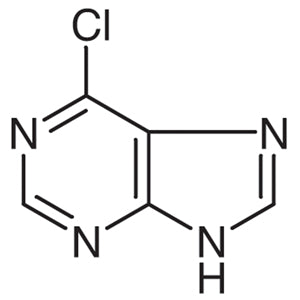
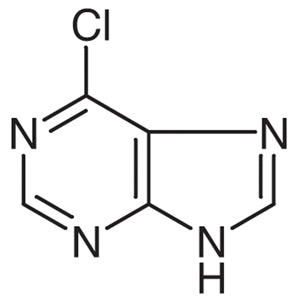
6-Chloropurine TCI C0278
Regular price From Rp 875.700,00Regular price -
2,6-Dichloropurine TCI D2470
Regular price From Rp 505.050,00Regular price -
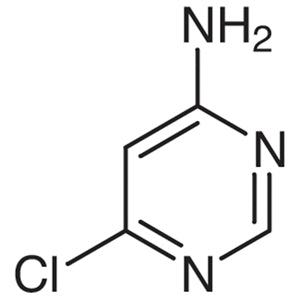
4-Amino-6-chloropyrimidine TCI A2136
Regular price From Rp 1.115.100,00Regular price -
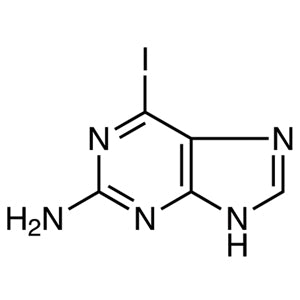
2-Amino-6-iodopurine TCI A2068
Regular price From Rp 2.016.000,00Regular price -
2-Amino-6-chloropurineRiboside TCI A2054
Regular price From Rp 717.150,00Regular price -
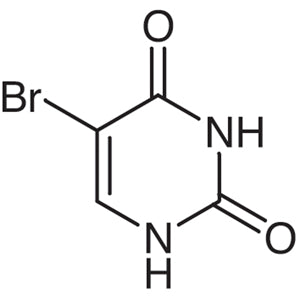
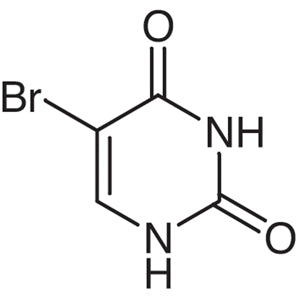
5-Bromouracil TCI B0665
Regular price Rp 1.670.550,00Regular price -
5-Iodo-7H-pyrrolo[2,3-d]pyrimidin-4-amine TCI I1161
Regular price From Rp 2.227.050,00Regular price -
3-Iodo-1H-pyrazolo[3,4-d]pyrimidin-4-amine TCI I0941
Regular price From Rp 848.400,00Regular price


![163622-50-2 5-Iodo-7H-pyrrolo[2,3-d]pyrimidin-4-amine - AMI Scientific](http://amiscientific.com/cdn/shop/files/TCI2510I1161.jpg?v=1767120854&width=533)
![151266-23-8 3-Iodo-1H-pyrazolo[3,4-d]pyrimidin-4-amine - AMI Scientific](http://amiscientific.com/cdn/shop/files/TCI2510I0941.jpg?v=1767120554&width=533)