

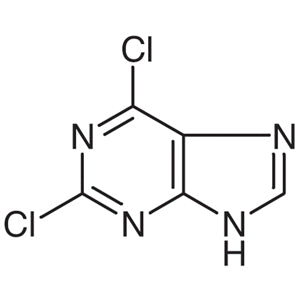
2,6-Dichloropurine is a chemical compound widely used as a building block in the synthesis of heterocyclic compounds. It plays a crucial role in laboratory settings where the creation of complex molecular structures is required. This compound is particularly valuable in organic chemistry and biochemistry research due to its ability to participate in various chemical reactions that lead to the formation of purine-based structures. These structures are fundamental components of essential biological molecules such as DNA and RNA, making 2,6-Dichloropurine an indispensable tool for researchers.
The compound is known for its stable chemical structure and high reactivity, which makes it suitable for substitution reactions and other synthetic processes. Its chemical properties allow it to be a versatile reagent in the development of pharmaceuticals, pesticides, and industrial chemicals. The reactivity and stability of 2,6-Dichloropurine make it a preferred choice for chemists seeking to create new compounds with specific biological or chemical functions.
In Indonesian laboratories, 2,6-Dichloropurine is commonly used in pharmaceutical, organic chemistry, and biochemical research. Local researchers rely on this compound to develop new therapeutic agents and industrial materials. Its availability in various packaging formats supports both small-scale and mid-sized laboratory applications, ensuring accessibility for a wide range of research needs.
TCI brochures (PDF)
- Nucleosides, Nucleotides, Nucleic Acids and Related Reagents 2026-03-23 · p. 10
- Reagents for Biological Research 2025-03-11 · p. 60
- Pharmaceutical research utilizes 2,6-Dichloropurine for the synthesis of novel drug compounds due to its structural versatility and reactivity.
- Organic chemistry experiments benefit from this compound as a key building block in the formation of heterocyclic structures.
- Biochemical studies employ 2,6-Dichloropurine to investigate the synthesis of nucleotide-related molecules essential for genetic research.
- Industrial chemical development leverages its properties to create specialized compounds for agricultural and manufacturing applications.
- Academic research in Indonesia frequently incorporates this compound to explore new synthetic pathways and molecular innovations.
| Brand | TCI |
|---|---|
| CAS number | 5451-40-1 |
| Molecular formula | — |
| Purity | — |
| Category | Chemistry > Building Blocks > Heterocyclic Building Blocks |
| Pack sizes | Available in various sizes to suit different laboratory scales |
| Physical form | Solid |
| Storage | Store in a cool, dry place away from direct sunlight |
2,6-Dichloropurine should be stored in a cool, dry environment to maintain its chemical stability. It is recommended to keep the compound in a sealed container to prevent moisture absorption and contamination. The material is typically stored in glass or plastic containers that are resistant to chemical reactions. Laboratory personnel should handle the compound with appropriate personal protective equipment, such as gloves and safety goggles, to ensure safe handling. Proper ventilation is essential when working with this compound to minimize exposure. Due to its reactivity, it should be handled in a controlled laboratory setting to avoid unintended chemical interactions.
—
Produk Terkait
-
2-Amino-6-chloropurine TCI A1407
Regular price From Rp 955.500,00Regular price -
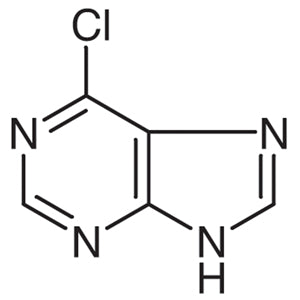
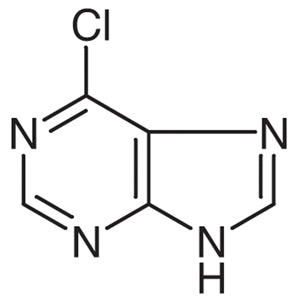
6-Chloropurine TCI C0278
Regular price From Rp 875.700,00Regular price -
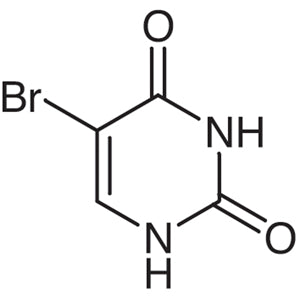
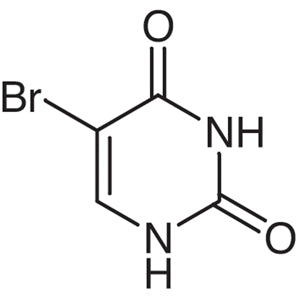
5-Bromouracil TCI B0665
Regular price Rp 1.670.550,00Regular price -
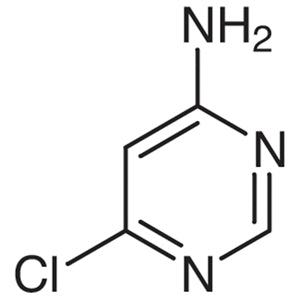
4-Amino-6-chloropyrimidine TCI A2136
Regular price From Rp 1.115.100,00Regular price -
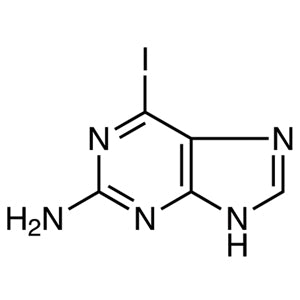
2-Amino-6-iodopurine TCI A2068
Regular price From Rp 2.016.000,00Regular price -
5-Iodo-7H-pyrrolo[2,3-d]pyrimidin-4-amine TCI I1161
Regular price From Rp 2.227.050,00Regular price -
3-Iodo-1H-pyrazolo[3,4-d]pyrimidin-4-amine TCI I0941
Regular price From Rp 848.400,00Regular price -
5-Iodo-2,4-dimethoxypyrimidine TCI I0531
Regular price From Rp 2.359.350,00Regular price

![163622-50-2 5-Iodo-7H-pyrrolo[2,3-d]pyrimidin-4-amine - AMI Scientific](http://amiscientific.com/cdn/shop/files/TCI2510I1161.jpg?v=1767120854&width=533)
![151266-23-8 3-Iodo-1H-pyrazolo[3,4-d]pyrimidin-4-amine - AMI Scientific](http://amiscientific.com/cdn/shop/files/TCI2510I0941.jpg?v=1767120554&width=533)
