3-Amino-N-methylbenzylamine is a versatile chemical compound widely used in laboratory settings as a foundational building block for the synthesis of complex molecules. Its unique molecular structure enables participation in various chemical reactions, including substitution, reduction, and condensation. This compound plays a crucial role in organic chemistry by serving as a key intermediate in the development of pharmaceuticals, industrial chemicals, and research materials. Due to its reactivity and adaptability, it is highly valued in both academic and industrial research environments.
The compound’s chemical properties, such as its ability to form stable bonds with a variety of functional groups, make it a preferred choice for chemists. Its high reactivity allows it to be easily modified through various synthetic pathways, enhancing its utility in the creation of new compounds. Additionally, its stability under controlled conditions ensures that it remains effective for use in multiple experimental applications. These characteristics make it an essential tool for researchers working on the synthesis of both heterocyclic and non-heterocyclic compounds.
In Indonesian laboratories, 3-Amino-N-methylbenzylamine is commonly used in organic chemistry research, particularly in academic institutions and research centers. It is frequently employed in projects aimed at the development of new chemical compounds, including pharmaceuticals. Its availability and reliability make it a go-to material for chemists seeking to expand their synthetic capabilities in the field of medicinal and industrial chemistry.
- Pharmaceutical research and development due to its role in synthesizing complex drug molecules.
- Organic synthesis experiments where functional group modification is required.
- Industrial chemical production as a building block for various chemical intermediates.
- Academic research in universities and research institutes for teaching and experimentation.
- Development of new compounds in the field of medicinal and agricultural chemistry.
| Brand | TCI |
|---|---|
| CAS number | 18759-96-1 |
| Molecular formula | — |
| Purity | — |
| Category | Chemistry > Building Blocks > Non-Heterocyclic Building Blocks |
| Pack sizes | Available in various quantities as per supplier specifications |
| Physical form | Liquid or solid, depending on the specific product variant |
| Storage | Store in a cool, dry place away from direct sunlight |
This compound should be stored in a cool, dry environment, away from direct sunlight and sources of heat. It is recommended to use airtight containers to prevent exposure to moisture and air, which may affect its stability. Proper ventilation should be maintained in the laboratory when handling this material to minimize inhalation risks. Due to its reactivity, it should be kept separate from strong oxidizing agents and incompatible substances. Always follow standard laboratory safety protocols, including the use of personal protective equipment such as gloves and safety goggles. Regular monitoring of storage conditions is advised to ensure the compound remains in optimal condition for use.
—
Produk Terkait
-
2,4,6-TrimethylbenzylCyanide TCI T1938
Regular price Rp 1.351.350,00Regular priceRp 960.750,00Sale price Rp 1.351.350,00 -
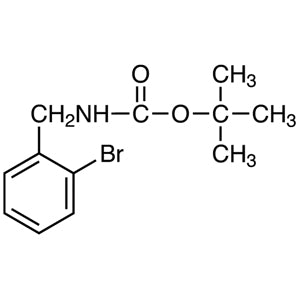
2-Bromo-N-(tert-butoxycarbonyl)benzylamine TCI B4920
Regular price From Rp 1.087.800,00Regular priceRp 775.950,00Sale price From Rp 1.087.800,00 -
N-Phenylbenzylamine TCI P0159
Regular price From Rp 1.115.100,00Regular priceRp 779.100,00Sale price From Rp 1.115.100,00 -
4-Aminobenzylamine TCI A1436
Regular price From Rp 4.531.800,00Regular priceRp 3.184.650,00Sale price From Rp 4.531.800,00 -
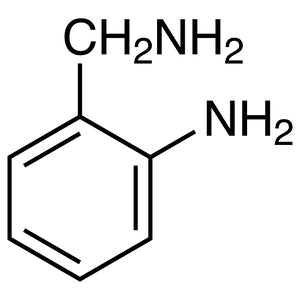
2-Aminobenzylamine TCI A1435
Regular price Rp 3.260.250,00Regular priceRp 2.295.300,00Sale price Rp 3.260.250,00 -
3-Aminobenzylamine TCI A1431
Regular price From Rp 900.900,00Regular priceRp 645.750,00Sale price From Rp 900.900,00 -
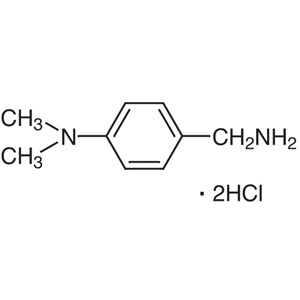
4-DimethylaminobenzylamineDihydrochloride TCI D1620
Regular price From Rp 3.815.700,00Regular priceRp 2.683.800,00Sale price From Rp 3.815.700,00 -
2,4,6-TrimethylbenzylAlcohol TCI T1905
Regular price Rp 2.041.200,00Regular priceRp 1.426.950,00Sale price Rp 2.041.200,00