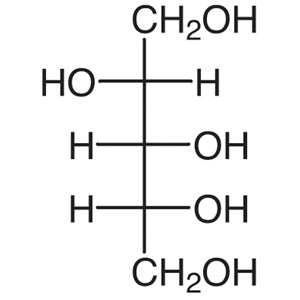
N-Acetyl-D-mannosamine Monohydrate is a chemical compound widely used in laboratory research across the fields of chemical biology and glycoscience. This compound serves as a key reagent in studies related to glycosylation processes, acting as both a substrate and a modulator in biochemical reactions. Its structural complexity makes it an essential tool for investigating carbohydrate metabolism and molecular interactions. Due to its functional groups, it is particularly valuable in understanding the structural and functional roles of carbohydrates in biological systems.
The compound is chemically stable under controlled conditions but is sensitive to moisture and high temperatures. Its solubility in organic solvents such as water and ethanol enhances its usability in various experimental setups. The presence of hydroxyl and acetyl groups contributes to its versatility in biochemical applications. These properties make it a preferred choice for researchers seeking reliable and effective reagents for their experiments.
In Indonesian laboratories, N-Acetyl-D-mannosamine Monohydrate is commonly used in research related to metabolic diseases, pharmacology, and biotechnology. Its availability and consistent quality make it a popular selection among scientists conducting studies that require precise and stable chemical compounds.
TCI brochures (PDF)
Related TCI products
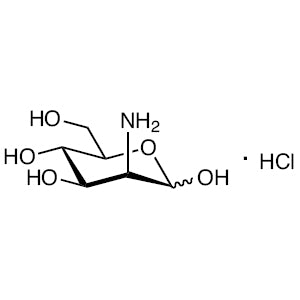
- TCI M3237 5505-63-5 D-Mannosamine Hydrochloride
- TCI A0092 7512-17-6 N-Acetyl-D-glucosamine
- TCI T1733 68733-20-0 1,3,4,6-Tetra-O-acetyl-2-azido-2-deoxy-alpha-D-mannopyranose
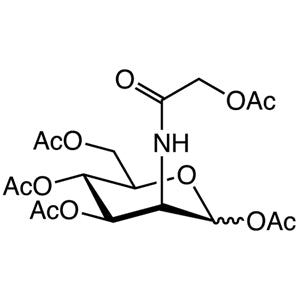
- TCI G0463 258824-38-3 N-Glycolyl-D-mannosamine Pentaacetate
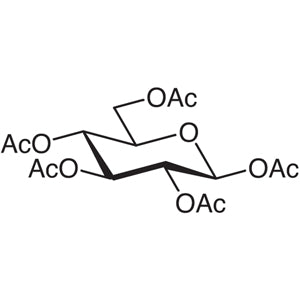
- TCI P0028 604-69-3 Penta-O-acetyl-beta-D-glucopyranose
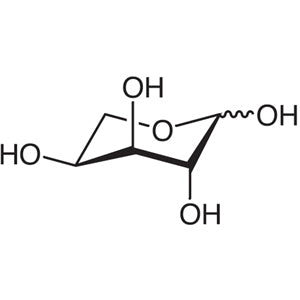
- TCI A0513 10323-20-3 D-(-)-Arabinose
- Metabolic Disease Research: This compound is used to study the impact of carbohydrate metabolism on disease progression, offering insights into metabolic disorders.
- Pharmacological Studies: It serves as a tool for investigating drug interactions and the biochemical pathways involved in therapeutic mechanisms.
- Biotransformation Analysis: Its role in glycosylation reactions makes it ideal for studying enzyme activity and substrate specificity in biotechnological applications.
- Glycoscience Research: It is essential for exploring the structural and functional properties of carbohydrates in biological systems.
- Structural Biology Investigations: Its molecular structure provides valuable data for understanding carbohydrate-based molecular interactions and their biological significance.
| Brand | TCI |
|---|---|
| CAS number | 3615-17-6 |
| Molecular formula | — |
| Purity | — |
| Category | Chemistry > Chemical Biology > Glycoscience |
| Pack sizes | Available in various quantities as per standard laboratory supply |
| Physical form | White crystalline powder |
| Storage | Store in a cool, dry place away from moisture and heat |
N-Acetyl-D-mannosamine Monohydrate should be stored in a cool, dry environment to maintain its chemical stability. It is recommended to keep the compound in airtight containers to prevent exposure to moisture, which can degrade its quality. Due to its sensitivity to high temperatures, it should be stored away from direct heat sources. Proper labeling of containers is essential for safe handling. In laboratory settings, it is important to use gloves and appropriate safety equipment when handling this compound to ensure personnel safety. Regular monitoring of storage conditions will help maintain the integrity of the compound for reliable experimental results.
—
Product Categories
Produk Terkait
-
D-MannosamineHydrochloride TCI M3237
Regular price From Rp 2.147.250,00Regular priceRp 1.517.250,00Sale price From Rp 2.147.250,00 -
N-Acetyl-D-glucosamine TCI A0092
Regular price From Rp 980.700,00Regular priceRp 701.400,00Sale price From Rp 980.700,00 -
1,3,4,6-Tetra-O-acetyl-2-azido-2-deoxy-alpha-D-mannopyranose TCI T1733
Regular price Rp 5.512.500,00Regular priceRp 3.870.300,00Sale price Rp 5.512.500,00 -
N-Glycolyl-D-mannosaminePentaacetate TCI G0463
Regular price Rp 9.566.550,00Regular priceRp 6.705.300,00Sale price Rp 9.566.550,00 -
Penta-O-acetyl-beta-D-glucopyranose TCI P0028
Regular price From Rp 1.696.800,00Regular priceRp 1.202.250,00Sale price From Rp 1.696.800,00 -
D-(-)-Arabinose TCI A0513
Regular price From Rp 1.192.800,00Regular priceRp 849.450,00Sale price From Rp 1.192.800,00 -
L-(+)-Arabinose TCI A0515
Regular price From Rp 1.167.600,00Regular priceRp 831.600,00Sale price From Rp 1.167.600,00 -
D-(+)-Arabitol TCI A0516
Regular price Rp 769.650,00Regular priceRp 553.350,00Sale price Rp 769.650,00