(4-Acetylphenoxy)acetic Acid is a versatile chemical compound widely used in organic synthesis within laboratory settings. As a key building block in chemical research, it plays a crucial role in the development of pharmaceuticals, industrial chemicals, and other organic compounds. Its structural complexity and reactivity make it an essential component in various synthetic pathways, enabling chemists to create more complex molecules with specific functional groups. This compound is particularly valued for its ability to participate in multiple chemical reactions, offering flexibility in experimental design and application.
The compound’s polar nature and solubility in organic solvents such as ethyl acetate and acetone are key properties that enhance its utility in laboratory processes. These characteristics facilitate efficient separation and purification steps, which are critical in chemical synthesis. Additionally, its stability under normal conditions ensures reliable performance and simplifies storage and handling. The high purity and consistency of this compound make it a preferred choice for researchers seeking reliable and reproducible results in their experiments.
In Indonesian laboratories, (4-Acetylphenoxy)acetic Acid is commonly used in research related to pharmaceutical development, chemical synthesis, and industrial applications. Its availability and performance make it a standard material in both academic and industrial research settings. Researchers in Indonesia rely on this compound for its reliability and effectiveness in producing high-quality chemical products and compounds.
Related TCI products
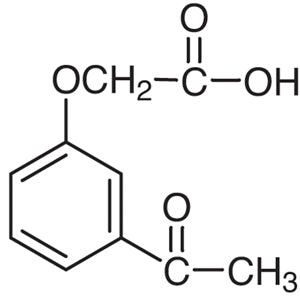
- TCI A2061 1878-80-4 (3-Acetylphenoxy)acetic Acid
- TCI I0863 1798-06-7 2-(4-Iodophenyl)acetic Acid
- TCI B3338 42989-85-5 [(tert-Butoxycarbonyl)aminooxy]acetic Acid
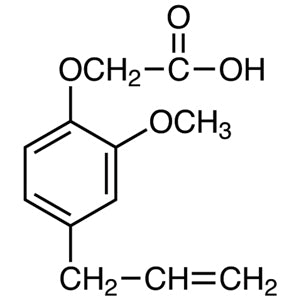
- TCI A3037 6331-61-9 (4-Allyl-2-methoxyphenoxy)acetic Acid
- TCI M3547 1877-75-4 2-(4-Methoxyphenoxy)acetic Acid
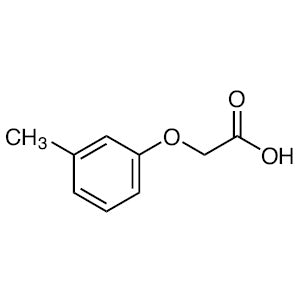
- TCI M3441 1643-15-8 2-(m-Tolyloxy)acetic Acid
- Pharmaceutical research utilizes (4-Acetylphenoxy)acetic Acid for the synthesis of active pharmaceutical ingredients due to its reactivity and structural versatility.
- Organic synthesis experiments benefit from its ability to form various functional groups, making it ideal for creating complex organic molecules.
- Industrial chemical production relies on this compound for its stability and solubility properties, which support efficient chemical processing.
- Analytical chemistry applications use it as a reference standard for testing and calibration in chemical analysis procedures.
- Research and development in chemical engineering incorporate it for developing new materials and chemical processes in laboratory settings.
| Brand | TCI |
|---|---|
| CAS number | 1878-81-5 |
| Molecular formula | — |
| Purity | — |
| Category | Chemistry > Building Blocks > Non-Heterocyclic Building Blocks |
| Pack sizes | Available in standard laboratory quantities |
| Physical form | Solid |
| Storage | Store in a cool, dry place away from direct sunlight |
(4-Acetylphenoxy)acetic Acid should be stored in a cool, dry environment to maintain its stability and prevent degradation. It is recommended to keep the compound in airtight containers to minimize exposure to moisture and air. Due to its polar nature, it is advisable to store it in containers made of materials that are chemically inert, such as glass or high-density polyethylene. Laboratory personnel should handle the compound with appropriate personal protective equipment, including gloves and safety goggles, to ensure safety during use and handling. Proper labeling of storage containers is essential to prevent accidental exposure and ensure safe access. Regular inspection of storage conditions is also recommended to maintain optimal chemical integrity and safety standards.
—
Produk Terkait
-
(3-Acetylphenoxy)aceticAcid TCI A2061
Regular price From Rp 1.351.350,00Regular priceRp 960.750,00Sale price From Rp 1.351.350,00 -
2-(4-Iodophenyl)aceticAcid TCI I0863
Regular price From Rp 1.272.600,00Regular priceRp 905.100,00Sale price From Rp 1.272.600,00 -
[(tert-Butoxycarbonyl)aminooxy]aceticAcid TCI B3338
Regular price From Rp 1.618.050,00Regular priceRp 1.146.600,00Sale price From Rp 1.618.050,00 -
(4-Allyl-2-methoxyphenoxy)aceticAcid TCI A3037
Regular price From Rp 2.093.700,00Regular priceRp 1.479.450,00Sale price From Rp 2.093.700,00 -
2-(4-Methoxyphenoxy)aceticAcid TCI M3547
Regular price From Rp 1.246.350,00Regular priceRp 887.250,00Sale price From Rp 1.246.350,00 -
2-(m-Tolyloxy)aceticAcid TCI M3441
Regular price From Rp 2.199.750,00Regular priceRp 1.554.000,00Sale price From Rp 2.199.750,00 -
2-(6-Methoxynaphthalen-2-yl)aceticAcid TCI M3326
Regular price Rp 2.227.050,00Regular priceRp 1.572.900,00Sale price Rp 2.227.050,00 -
[2-(2-Methoxyethoxy)ethoxy]aceticAcid TCI M2963
Regular price From Rp 1.563.450,00Regular priceRp 1.108.800,00Sale price From Rp 1.563.450,00