(4-Allyl-2-methoxyphenoxy)acetic Acid is a chemical compound widely used in organic synthesis reactions within laboratory settings. It serves as a key building block for the development of complex molecules, particularly those with heterocyclic structures or extended carbon chains. This compound is essential for researchers aiming to create new substances with specific functional properties, such as pharmaceutical activity or unique chemical behavior. Its presence in laboratory workflows supports the advancement of both academic and industrial research projects.
The compound's molecular structure, featuring an allyl group and a methoxy group, contributes to its versatility in chemical reactions. These functional groups allow for a wide range of synthetic transformations, making it a preferred choice for chemists working on diverse projects. Its stability under controlled conditions further enhances its usability, enabling researchers to manipulate and study it effectively. The combination of structural complexity and functional group availability makes it a valuable tool in the synthesis of novel compounds.
In Indonesian laboratories, (4-Allyl-2-methoxyphenoxy)acetic Acid is commonly used in organic chemistry research, especially in pharmaceutical and materials science applications. Local researchers rely on this compound for the development of new substances with potential industrial or medical applications. Its availability supports both educational and research activities, contributing to the growth of scientific innovation in the region.
Related TCI products
- TCI M3883 13794-15-5 2-(4-Methoxyphenoxy)propanoic Acid
- TCI H0641 56183-35-8 4-(3-Hydroxyphenoxy)benzoic Acid
- TCI A2104 22934-51-6 5-Allyl-3-methoxysalicylaldehyde
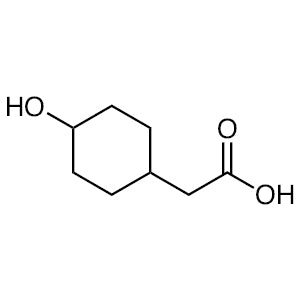
- TCI H1753 99799-09-4 2-(4-Hydroxycyclohexyl)acetic Acid (cis- and trans- mixture)
- TCI E0928 99469-99-5 2-(3-Ethoxy-4-ethoxycarbonylphenyl)acetic Acid
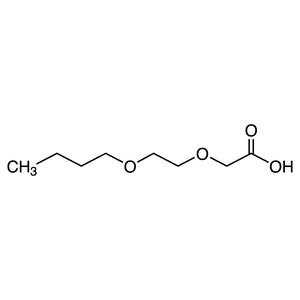
- TCI D2491 82941-26-2 (2-Butoxyethoxy)acetic Acid
- Organic synthesis is a primary application where this compound is used to create complex molecules with specific functional groups.
- Pharmaceutical research benefits from its use in the development of new drugs with targeted biological activities.
- Materials science applications involve the synthesis of polymers and other advanced materials with unique properties.
- Chemical education in Indonesian universities utilizes this compound for teaching synthetic methods and molecular structure analysis.
- Industrial research and development projects incorporate this compound to explore new chemical processes and product formulations.
| Brand | TCI |
|---|---|
| CAS number | 6331-61-9 |
| Molecular formula | — |
| Purity | — |
| Category | Chemistry > Building Blocks > Non-Heterocyclic Building Blocks |
| Pack sizes | Available in various quantities as per standard chemical supply practices |
| Physical form | Solid or liquid, depending on formulation and supplier packaging |
| Storage | Store in a cool, dry place away from direct sunlight and moisture |
This compound should be stored in a cool, dry environment to maintain its stability and prevent degradation. It is recommended to use airtight containers to protect it from moisture and air exposure. Proper labeling of storage containers is essential for safety and traceability. Laboratory personnel should handle the compound with care, using appropriate personal protective equipment such as gloves and safety goggles. It should be kept away from incompatible substances to avoid chemical reactions. Regular inspection of storage conditions ensures the compound remains suitable for use in research applications.
—
Produk Terkait
-
2-(4-Methoxyphenoxy)propanoicAcid TCI M3883
Regular price From Rp 1.087.800,00Regular priceRp 775.950,00Sale price From Rp 1.087.800,00 -
4-(3-Hydroxyphenoxy)benzoicAcid TCI H0641
Regular price From Rp 2.942.100,00Regular priceRp 2.072.700,00Sale price From Rp 2.942.100,00 -
5-Allyl-3-methoxysalicylaldehyde TCI A2104
Regular price From Rp 928.200,00Regular priceRp 648.900,00Sale price From Rp 928.200,00 -
2-(4-Hydroxycyclohexyl)aceticAcid(cis-andtrans-mixture) TCI H1753
Regular price From Rp 1.113.000,00Regular priceRp 793.800,00Sale price From Rp 1.113.000,00 -
2-(3-Ethoxy-4-ethoxycarbonylphenyl)aceticAcid TCI E0928
Regular price From Rp 1.643.250,00Regular priceRp 1.164.450,00Sale price From Rp 1.643.250,00 -
(2-Butoxyethoxy)aceticAcid TCI D2491
Regular price From Rp 3.603.600,00Regular priceRp 2.535.750,00Sale price From Rp 3.603.600,00 -
2-(4-Methoxyphenoxy)aceticAcid TCI M3547
Regular price From Rp 1.246.350,00Regular priceRp 887.250,00Sale price From Rp 1.246.350,00 -
1,5-Bis(2-hydroxyphenoxy)-3-oxapentane TCI B5207
Regular price Rp 1.670.550,00Regular priceRp 1.183.350,00Sale price Rp 1.670.550,00