(2-Butoxyethoxy)acetic Acid is a chemical compound widely used in laboratory settings for the synthesis of complex molecules. It serves as a fundamental building block in organic chemistry, offering versatility in reaction pathways. This compound is commonly found in chemical laboratories as a raw material with a simple yet adaptable molecular structure. Its role in chemical synthesis is crucial, as it can interact with various reagents to produce desired products. Due to its flexible structure, it is a valuable tool in the development of new chemical compounds and functional materials.
The compound's chemical properties make it a preferred choice for chemists. Its ability to react with acids, bases, and organic reagents allows for a wide range of synthetic applications. The simplicity of its structure combined with its reactivity enables it to be a key component in the synthesis of hydrocarbon-based compounds. This adaptability makes it suitable for use in diverse chemical processes, including the creation of pharmaceuticals and polymers. Its chemical stability and reactivity contribute to its importance in laboratory research.
In Indonesian laboratories, (2-Butoxyethoxy)acetic Acid is utilized in chemical research, particularly in organic synthesis and the development of new chemical materials. It is also commonly used in studies related to pharmaceutical compounds and polymer synthesis. Its broad applications make it an essential reagent in both academic and industrial research settings. The compound's reliability and effectiveness have made it a staple in many Indonesian laboratories.
Related TCI products
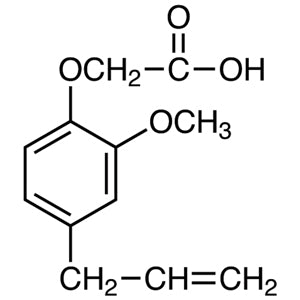
- TCI A3037 6331-61-9 (4-Allyl-2-methoxyphenoxy)acetic Acid
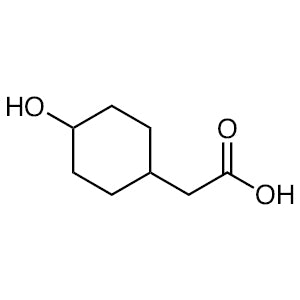
- TCI H1753 99799-09-4 2-(4-Hydroxycyclohexyl)acetic Acid (cis- and trans- mixture)
- TCI E0928 99469-99-5 2-(3-Ethoxy-4-ethoxycarbonylphenyl)acetic Acid
- TCI H0859 22042-73-5 4-(2-Hydroxyethoxy)benzaldehyde
- TCI H0858 60345-97-3 3-(2-Hydroxyethoxy)benzaldehyde
- TCI H0857 22042-72-4 2-(2-Hydroxyethoxy)benzaldehyde
- Organic synthesis: This compound is widely used in the synthesis of complex organic molecules due to its reactivity and adaptability in various reaction conditions.
- Pharmaceutical research: It plays a key role in the development of new drug compounds, as it can be modified to produce a variety of functional groups.
- Polymer chemistry: The compound is employed in the creation of polymers, where its structure can be tailored for specific material properties.
- Chemical intermediates: It serves as a building block for the production of other chemical compounds, making it essential in industrial and academic research.
- Material science: Its use extends to the development of new materials, where its chemical properties can be manipulated for specific applications.
| Brand | TCI |
|---|---|
| CAS number | 82941-26-2 |
| Molecular formula | — |
| Purity | — |
| Category | Chemistry > Building Blocks > Non-Heterocyclic Building Blocks |
| Pack sizes | Available in various quantities as per supplier specifications |
| Physical form | Liquid |
| Storage | Store in a cool, dry place away from direct sunlight |
This compound should be stored in a cool, dry environment, away from direct sunlight and sources of heat. It is recommended to use airtight containers to prevent moisture absorption and contamination. Due to its chemical nature, it should be handled in a well-ventilated area to minimize exposure. Proper personal protective equipment, such as gloves and safety goggles, should be worn when handling the material. It is important to keep the compound away from incompatible substances like strong acids or bases. Regular inspection of storage conditions ensures the material remains stable and safe for use in laboratory settings.
—
Produk Terkait
-
(4-Allyl-2-methoxyphenoxy)aceticAcid TCI A3037
Regular price From Rp 2.041.200,00Regular price -
2-(4-Hydroxycyclohexyl)aceticAcid(cis-andtrans-mixture) TCI H1753
Regular price From Rp 1.060.500,00Regular price -
2-(3-Ethoxy-4-ethoxycarbonylphenyl)aceticAcid TCI E0928
Regular price From Rp 1.590.750,00Regular price -
4-(2-Hydroxyethoxy)benzaldehyde TCI H0859
Regular price From Rp 1.060.500,00Regular price -
3-(2-Hydroxyethoxy)benzaldehyde TCI H0858
Regular price From Rp 1.298.850,00Regular price -
2-(2-Hydroxyethoxy)benzaldehyde TCI H0857
Regular price From Rp 1.405.950,00Regular price -
Methyl4-(2-Hydroxyethoxy)benzoate TCI H0820
Regular price From Rp 3.287.550,00Regular price -
4-(2-Hydroxyethoxy)salicylicAcid TCI H0730
Regular price Rp 6.253.800,00Regular price