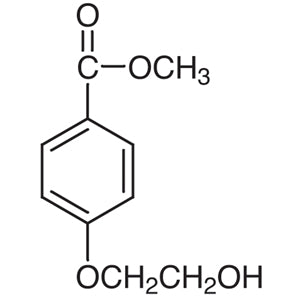
TCI H0820 Methyl 4-(2-Hydroxyethoxy)benzoate is the methyl ester of benzoic acid carrying a 2-hydroxyethoxy chain at the para position. In other words, this molecule combines two different functional groups on a single aromatic framework: an ester at one end and a primary alcohol at the other. In the laboratory, a material of this kind serves as a highly practical bifunctional building block, because researchers can work on one functional group first and then address the other at a later stage, allowing a synthetic sequence to be assembled step by step and under full control.
The characteristic that makes it an attractive choice is the difference in reactivity between the primary alcohol and the aromatic methyl ester. The primary alcohol is exposed and relatively unhindered, so it is readily esterified, etherified, converted into a leaving group, or used as the anchoring point in a Mitsunobu reaction. The methyl ester, meanwhile, can be hydrolysed to the carboxylic acid or transesterified when required. The ethyleneoxy bridge also contributes flexibility and a degree of hydrophilic character to the resulting molecule, something frequently desirable in the design of spacers, linkers, and soft segments in materials work.
In Indonesian laboratories, a bifunctional building block of this type typically finds its place in academic and industrial research settings where multi-step synthesis is carried out on a small to moderate scale. University research groups, chemistry teaching laboratories, and formulation or materials development units commonly keep such intermediates on hand so that route planning is not delayed by the need to prepare an intermediate in-house. Its dual reactivity makes it a convenient starting point for exploratory chemistry.
Related TCI products
- TCI H0859 22042-73-5 4-(2-Hydroxyethoxy)benzaldehyde
- TCI H0858 60345-97-3 3-(2-Hydroxyethoxy)benzaldehyde
- TCI H0857 22042-72-4 2-(2-Hydroxyethoxy)benzaldehyde
- TCI H0730 163451-82-9 4-(2-Hydroxyethoxy)salicylic Acid
- TCI H1910 94-33-7 2-Hydroxyethyl Benzoate
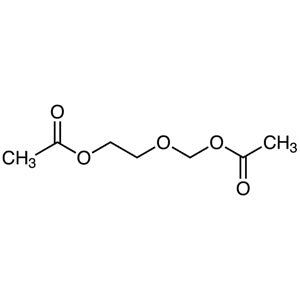
- TCI A3163 59278-00-1 (2-Acetoxyethoxy)methyl Acetate
- Multi-step organic synthesis: the two distinct functional groups allow chemists to plan a sequence in which one end is modified first while the other remains intact for later transformation.
- Linker and spacer construction: the ethyleneoxy bridge provides molecular flexibility and mild hydrophilic character, making this compound suitable for joining two fragments in a designed conjugate.
- Mitsunobu chemistry: the unhindered primary alcohol serves as a reliable anchoring point, letting researchers install ethers or other coupling partners with predictable regiochemical outcome.
- Carboxylic acid precursor chemistry: the aromatic methyl ester can be hydrolysed to the free acid when a carboxyl handle is needed for subsequent amide or ester coupling steps.
- Polymer and materials research: the bifunctional structure supports the preparation of soft segments through transesterification or etherification routes where controlled chain extension is required.
| Brand | TCI |
|---|---|
| CAS number | 3204-73-7 |
| Molecular formula | — |
| Purity | — |
| Category | Chemistry > Building Blocks > Non-Heterocyclic Building Blocks |
| Pack sizes | available in the standard TCI catalogue pack sizes for this item; please confirm the pack option at the time of ordering |
| Physical form | supplied as a solid organic building block |
| Storage | keep in a tightly closed original container in a cool, dry place away from light, moisture, and incompatible materials |
Store this product in its original tightly closed container in a cool, dry, well-ventilated area, protected from direct sunlight, moisture, and sources of ignition. Glass containers with chemically resistant closures are appropriate for transfer and short-term working storage. Because the compound carries a free hydroxyl group, prolonged exposure to humid air should be avoided to preserve material quality. Handle in a fume hood using safety glasses, gloves, and a laboratory coat, and avoid inhalation of dust and contact with skin and eyes. Keep the container clearly labelled, segregate it from strong oxidising agents and strong bases, and consult the manufacturer's safety data sheet before first use and before disposal of any residues.
—
Produk Terkait
-
4-(2-Hydroxyethoxy)benzaldehyde TCI H0859
Regular price From Rp 1.060.500,00Regular price -
3-(2-Hydroxyethoxy)benzaldehyde TCI H0858
Regular price From Rp 1.298.850,00Regular price -
2-(2-Hydroxyethoxy)benzaldehyde TCI H0857
Regular price From Rp 1.405.950,00Regular price -
4-(2-Hydroxyethoxy)salicylicAcid TCI H0730
Regular price Rp 6.253.800,00Regular price -
2-HydroxyethylBenzoate TCI H1910
Regular price From Rp 2.730.000,00Regular price -
(2-Acetoxyethoxy)methylAcetate TCI A3163
Regular price From Rp 452.550,00Regular price -
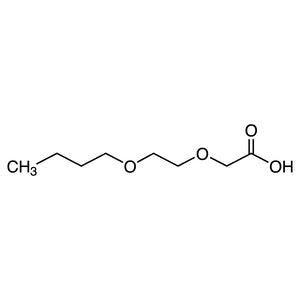
(2-Butoxyethoxy)aceticAcid TCI D2491
Regular price From Rp 3.551.100,00Regular price -
1,3-Bis(2-hydroxyethoxy)benzene TCI B1625
Regular price From Rp 1.326.150,00Regular price