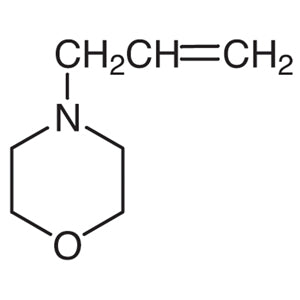
2-Allyloxytetrahydropyran is a chemical compound widely used in laboratory settings as a building block for the synthesis of heterocyclic compounds. Its unique molecular structure makes it a valuable tool in organic chemistry, enabling the construction of complex molecules through various chemical reactions. This compound is particularly important in pharmaceutical research, where it serves as a precursor for the development of new drugs and bioactive molecules. Due to its versatile nature, it is frequently utilized in both academic and industrial research environments to explore chemical reactivity and functional group modifications.
The compound is known for its chemical stability under controlled conditions, which allows for reliable use in a variety of experimental setups. Its reactivity towards specific reagents also makes it a preferred choice for chemists seeking to introduce functional groups or modify molecular frameworks. The ability to remain stable in different physical forms—solid or liquid—depending on packaging, enhances its usability across different scales of experimentation. This flexibility supports both small-scale laboratory work and larger-scale synthesis processes, making it a go-to material for researchers.
In Indonesian laboratories, 2-Allyloxytetrahydropyran is commonly used in organic chemistry research, especially in higher education institutions and research centers. Its role in the synthesis of bioactive compounds and its adaptability in chemical reactions make it a key component in the development of new pharmaceuticals and chemical products. Its availability and ease of handling further contribute to its widespread use in both academic and applied research settings.
TCI brochures (PDF)
- Biomaterials Research Reagents 2025-02-19 · p. 15
- Monomers 2025-05-28 · p. 16
- Organic synthesis applications benefit from 2-Allyloxytetrahydropyran's ability to serve as a versatile building block for complex molecule construction.
- Pharmaceutical research utilizes this compound to develop new drugs and bioactive molecules due to its reactivity and structural adaptability.
- Academic research in Indonesian universities often incorporates this material for teaching and experimental purposes in organic chemistry courses.
- Industrial chemical development uses this compound to explore new synthetic pathways and functional group modifications.
- Bioactive compound synthesis relies on this material for its potential to contribute to the creation of compounds with specific biological activities.
| Brand | TCI |
|---|---|
| CAS number | 4203-49-0 |
| Molecular formula | — |
| Purity | — |
| Category | Chemistry > Building Blocks > Heterocyclic Building Blocks |
| Pack sizes | Available in various sizes depending on the packaging |
| Physical form | Solid or liquid, depending on the container |
| Storage | Store in a cool, dry place away from direct sunlight and incompatible materials |
This compound should be stored in a cool, dry environment to maintain its chemical stability. It is recommended to use airtight containers to prevent exposure to moisture and air, which could affect its reactivity. Due to its potential reactivity with certain chemicals, it should be kept away from strong oxidizing agents and incompatible substances. Laboratory personnel should handle it with appropriate personal protective equipment, including gloves and safety goggles, to ensure safe usage. Proper labeling of storage containers is essential to prevent accidental exposure and ensure safe handling in the laboratory setting.
—
Product Categories
Produk Terkait
-
AllylGlycidylEther TCI A0221
Regular price From Rp 477.750,00Regular priceRp 333.900,00Sale price From Rp 477.750,00 -
4-Allylmorpholine TCI A0756
Regular price From Rp 3.048.150,00Regular priceRp 2.147.250,00Sale price From Rp 3.048.150,00 -
2-Vinyloxytetrahydropyran TCI V0076
Regular price Rp 7.446.600,00Regular priceRp 5.222.700,00Sale price Rp 7.446.600,00 -
Tetrahydropyran-4-methanol TCI T2965
Regular price From Rp 1.908.900,00Regular priceRp 1.350.300,00Sale price From Rp 1.908.900,00 -
Tetrahydropyran-4-carboxylicAcid TCI T2493
Regular price From Rp 2.013.900,00Regular priceRp 1.423.800,00Sale price From Rp 2.013.900,00 -
Tetrahydropyran-2-methanol TCI T0952
Regular price From Rp 1.881.600,00Regular priceRp 1.331.400,00Sale price From Rp 1.881.600,00 -
Tetrahydropyran TCI T0110
Regular price From Rp 717.150,00Regular priceRp 516.600,00Sale price From Rp 717.150,00 -
4-Methyl-2-(2-methyl-1-propenyl)tetrahydropyran(cis-andtrans-mixture) TCI M2363
Regular price Rp 1.696.800,00Regular priceRp 1.202.250,00Sale price Rp 1.696.800,00