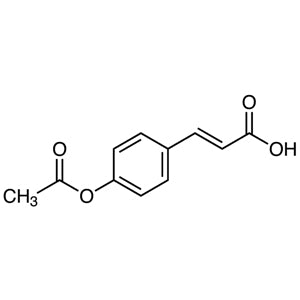
2-Acetoxycinnamic Acid is a chemical compound widely used in laboratory settings for the synthesis of complex molecules. It serves as a fundamental building block in organic chemistry, particularly in the development of aromatic and heterocyclic compounds. Its versatility makes it an essential reagent in various chemical reactions, supporting the creation of new materials and pharmaceutical compounds. This compound is commonly found in chemical laboratories due to its stability and reactivity, enabling researchers to modify molecular structures effectively.
The compound’s chemical structure allows it to react with a range of reagents, including acids, bases, and catalysts. This reactivity makes it ideal for substitution reactions, esterification, and other organic synthesis processes. Its ability to form functional groups with different chemical entities enhances its utility in diverse applications. The stability of 2-Acetoxycinnamic Acid ensures consistent performance in laboratory experiments, making it a reliable choice for both academic and industrial research.
In Indonesian laboratories, 2-Acetoxycinnamic Acid is frequently used in chemical, pharmaceutical, and materials research. It is a key component in experiments that require aromatic structures and specific functional groups. Its availability in the local market supports research activities in educational and research institutions, facilitating the development of new compounds and advanced chemical processes. The compound’s widespread use underscores its importance in the scientific community across Indonesia.
TCI brochures (PDF)
- Polyphenols 2024-12-05 · p. 2
Related TCI products
- Organic synthesis of aromatic and heterocyclic compounds due to its structural versatility and reactivity.
- Pharmaceutical research for the development of new drug molecules with specific functional groups.
- Material science applications in the creation of polymers and functional materials through chemical modification.
- Educational experiments in chemistry courses to demonstrate molecular structure and reaction mechanisms.
- Analytical chemistry for use as a reference standard in qualitative and quantitative analysis.
| Brand | TCI |
|---|---|
| CAS number | 55620-18-3 |
| Molecular formula | — |
| Purity | — |
| Category | Chemistry > Building Blocks > Non-Heterocyclic Building Blocks |
| Pack sizes | Available in standard laboratory quantities |
| Physical form | Solid powder |
| Storage | Store in a cool, dry place away from light and moisture |
2-Acetoxycinnamic Acid should be stored in a cool, dry environment, away from direct light and moisture to maintain its chemical stability. It is recommended to use airtight containers to prevent exposure to humidity and contaminants. Due to its reactivity with moisture, it should be kept in a desiccated environment when not in use. Proper labeling and storage in a designated chemical cabinet are essential for safety. Laboratory personnel should wear appropriate personal protective equipment when handling this compound to ensure safe working conditions. Regular monitoring of storage conditions helps maintain the integrity of the material for reliable experimental results.
—
Produk Terkait
-
4-EthoxycinnamicAcid TCI E0856
Regular price Rp 1.351.350,00Regular priceRp 960.750,00Sale price Rp 1.351.350,00 -
trans-4-AcetoxycinnamicAcid TCI A2845
Regular price From Rp 3.578.400,00Regular priceRp 2.517.900,00Sale price From Rp 3.578.400,00 -
2,3,4-TrimethoxycinnamicAcid TCI T2016
Regular price From Rp 928.200,00Regular priceRp 664.650,00Sale price From Rp 928.200,00 -
2,4,5-TrimethoxycinnamicAcid TCI T1393
Regular price Rp 2.147.250,00Regular priceRp 1.517.250,00Sale price Rp 2.147.250,00 -
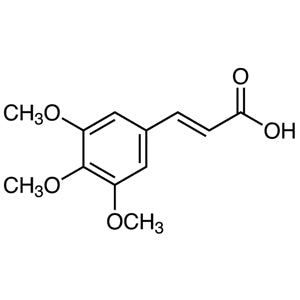
(E)-3,4,5-TrimethoxycinnamicAcid TCI T1104
Regular price Rp 2.650.200,00Regular priceRp 1.869.000,00Sale price Rp 2.650.200,00 -
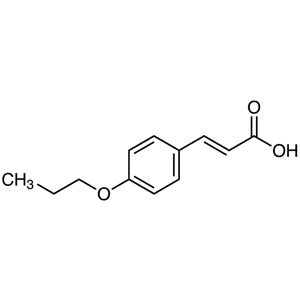
(E)-4-PropoxycinnamicAcid TCI P1898
Regular price From Rp 2.702.700,00Regular priceRp 1.905.750,00Sale price From Rp 2.702.700,00 -
cis-2-MethoxycinnamicAcid TCI M0761
Regular price From Rp 2.199.750,00Regular priceRp 1.554.000,00Sale price From Rp 2.199.750,00 -
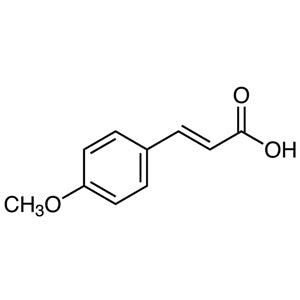
trans-4-MethoxycinnamicAcid TCI M0576
Regular price Rp 1.776.600,00Regular priceRp 1.257.900,00Sale price Rp 1.776.600,00