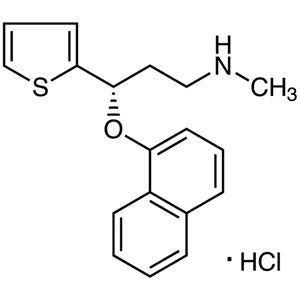
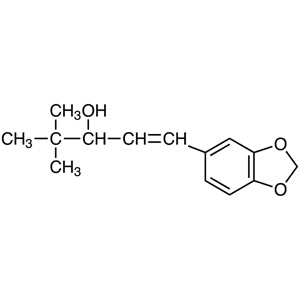
Riluzole is a chemical compound widely used in various chemical experiments and scientific research. As a fluorinated compound, it possesses a unique molecular structure that enables highly specific chemical reactions. This compound is commonly utilized in the synthesis of complex molecules, particularly in the fields of organic chemistry and pharmacology. In the laboratory, Riluzole serves as a key building block for the creation of compounds with specific biological activities. Its chemical stability and controlled reactivity make it an ideal material for synthesis processes under specific conditions.
One of the key reasons Riluzole is preferred in laboratory settings is its ability to form bonds with fluorine atoms, which imparts unique properties to the synthesized compounds. This characteristic makes it a valuable tool in molecular modification studies. Additionally, its predictable chemical behavior and compatibility with various reaction conditions contribute to its popularity among researchers. These properties ensure reliable results and facilitate the development of new compounds with potential therapeutic and industrial applications.
In Indonesian laboratories, Riluzole is extensively used in scientific research, particularly in organic chemistry and pharmacology. It plays a crucial role in the development of new compounds with potential medical and industrial applications. Its availability in the local market supports ongoing research efforts and enables scientists to conduct experiments efficiently. The compound’s versatility and reliability make it a preferred choice for researchers aiming to explore molecular structures and their biological impacts.
TCI brochures (PDF)
- Pharmaceutical Ingredients for Research and Experimental Use 2026-03-09 · p. 25
- Organic synthesis applications benefit from Riluzole’s unique molecular structure and fluorine bonding capabilities, enabling the creation of complex and functional compounds.
- Pharmacological research utilizes Riluzole to develop compounds with specific biological activities, supporting drug discovery and therapeutic innovation.
- Fluorinated compound studies rely on Riluzole’s ability to form stable fluorine bonds, aiding in the investigation of molecular modifications and reactivity.
- Industrial chemical development incorporates Riluzole due to its controlled reactivity and chemical stability, facilitating the production of specialized materials.
- Molecular structure analysis uses Riluzole as a building block to explore the effects of fluorine substitution on molecular behavior and properties.
| Brand | TCI |
|---|---|
| CAS number | 1744-22-5 |
| Molecular formula | — |
| Purity | — |
| Category | Chemistry > Building Blocks > Fluorinated Building Blocks |
| Pack sizes | Available in various quantities as per supplier specifications |
| Physical form | Solid, typically in powder or crystalline form |
| Storage | Store in a cool, dry place away from direct sunlight and moisture |
Riluzole should be stored in a cool, dry environment to maintain its chemical stability and prevent degradation. It is recommended to use airtight containers to minimize exposure to moisture and air, which can affect its reactivity. Due to its fluorinated nature, it is important to handle Riluzole with care to avoid any potential chemical interactions with incompatible substances. In a laboratory setting, proper personal protective equipment such as gloves and safety goggles should be worn when handling this compound. Additionally, it should be kept away from heat sources and stored in a well-ventilated area to ensure safe usage and long-term preservation.
—
Product Categories
- Biochemicals and ReagentsPharmaceutical Research Reagents (for Experimental Use)Neurotransmitter Agent Ingredients (for Research and Experimental Use)
- Biochemicals and ReagentsPharmaceutical Research Reagents (for Experimental Use)Pharmaceutical Research Reagents (Others)
- Biochemicals and Reagents
- Pharmaceutical Development and Drug Discovery ResearchPharmaceutical Research Reagents (for Experimental Use)Neurotransmitter Agent Ingredients (for Research and Experimental Use)
- Pharmaceutical Development and Drug Discovery ResearchPharmaceutical Research Reagents (for Experimental Use)Pharmaceutical Research Reagents (Others)
Produk Terkait
-
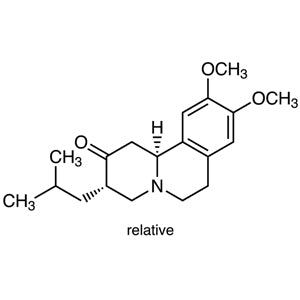
Tetrabenazine TCI T2839
Regular price From Rp 3.021.900,00Regular priceRp 2.128.350,00Sale price From Rp 3.021.900,00 -
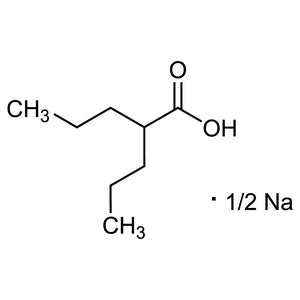
DivalproexSodium TCI O0695
Regular price From Rp 2.227.050,00Regular priceRp 1.572.900,00Sale price From Rp 2.227.050,00 -
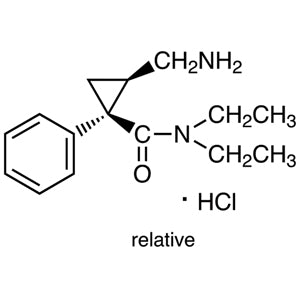
MilnacipranHydrochloride TCI M2133
Regular price From Rp 928.200,00Regular priceRp 664.650,00Sale price From Rp 928.200,00 -
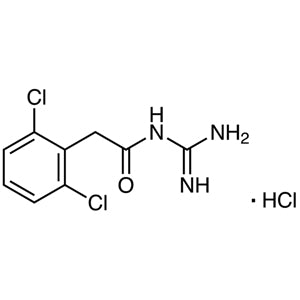
GuanfacineHydrochloride TCI G0414
Regular price From Rp 2.623.950,00Regular priceRp 1.850.100,00Sale price From Rp 2.623.950,00 -
Diazoxide TCI D5402
Regular price From Rp 1.618.050,00Regular priceRp 1.146.600,00Sale price From Rp 1.618.050,00 -
DuloxetineHydrochloride TCI D4223
Regular price From Rp 3.365.250,00Regular priceRp 2.368.800,00Sale price From Rp 3.365.250,00 -
ClonidineHydrochloride TCI D1353
Regular price From Rp 1.856.400,00Regular priceRp 1.313.550,00Sale price From Rp 1.856.400,00 -
Stiripentol TCI S0905
Regular price From Rp 3.578.400,00Regular priceRp 2.517.900,00Sale price From Rp 3.578.400,00