2-Amino-5-trifluoromethyl-1,3,4-thiadiazole is a versatile organic compound widely used in laboratory settings for the synthesis of complex molecules. As a fluorinated building block, it plays a crucial role in organic chemistry by enabling the creation of compounds with tailored functional groups and specific reactivity. This compound is particularly valuable in research environments where precise chemical transformations are required. Its unique structure, incorporating both sulfur and nitrogen atoms, allows it to participate in a variety of chemical reactions, making it a key component in the development of new pharmaceuticals and industrial chemicals.
The compound’s high reactivity is attributed to its trifluoromethyl group, which enhances its ability to engage in substitution and cyclization reactions. Its stability under controlled conditions ensures that it remains effective during various synthetic processes. Additionally, the presence of nitrogen and sulfur atoms contributes to its heterocyclic nature, which is essential for forming complex molecular frameworks. These properties make it a preferred choice for chemists seeking to design and synthesize compounds with specific biological or chemical properties.
In Indonesian laboratories, this compound is commonly used in pharmaceutical and organic chemistry research. It is a fundamental tool for researchers working on drug development and chemical synthesis. Its application extends to both academic and industrial settings, supporting the creation of new materials and therapeutic agents. Due to its reactivity and structural versatility, it is a staple in many research laboratories across Indonesia.
TCI brochures (PDF)
- Fluorination Reagents, Fluorinated Building Blocks 2026-03-18 · p. 48
Related TCI products
- TCI A3230 120068-79-3 5-Amino-1-[2,6-dichloro-4-(trifluoromethyl)phenyl]-1H-pyrazole-3-carbonitrile
- TCI A2522 16075-42-6 2-Amino-4-(trifluoromethyl)pyrimidine
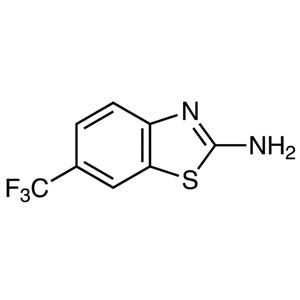
- TCI A2461 777-12-8 2-Amino-6-(trifluoromethyl)benzothiazole
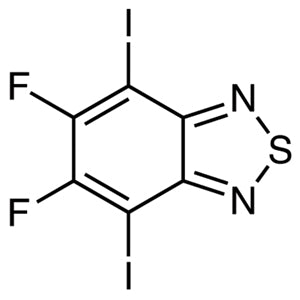
- TCI D5547 1293389-29-3 5,6-Difluoro-4,7-diiodo-2,1,3-benzothiadiazole
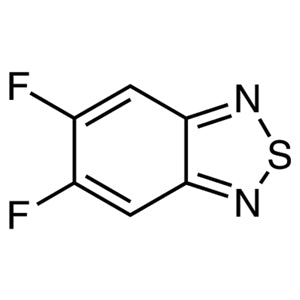
- TCI D5246 1293389-28-2 5,6-Difluoro-2,1,3-benzothiadiazole
- TCI D4750 1347736-74-6 4,7-Dibromo-5-fluoro-2,1,3-benzothiadiazole
- Organic synthesis applications benefit from this compound's ability to participate in substitution and cyclization reactions, enabling the creation of complex molecular structures.
- Pharmaceutical research utilizes this compound to develop new drugs by incorporating its unique functional groups into target molecules.
- Industrial chemical synthesis relies on its reactivity and stability to produce compounds with specific properties for various applications.
- Academic research institutions use it as a building block for teaching and experimental studies in organic chemistry.
- Drug discovery programs incorporate this compound to explore its potential in developing novel therapeutic agents.
| Brand | TCI |
|---|---|
| CAS number | 10444-89-0 |
| Molecular formula | — |
| Purity | — |
| Category | Chemistry > Building Blocks > Fluorinated Building Blocks |
| Pack sizes | Available in various quantities as per supplier specifications |
| Physical form | Solid, crystalline appearance |
| Storage | Store in a cool, dry place away from light and moisture |
This compound should be stored in a cool, dry environment to maintain its stability and reactivity. It is recommended to keep it in airtight containers to prevent exposure to moisture and air, which could affect its chemical integrity. Due to its reactivity, it should be handled with care in a well-ventilated laboratory setting. Proper personal protective equipment, such as gloves and safety goggles, should always be worn when handling this material. It is important to avoid contact with incompatible substances and to follow standard laboratory safety protocols to ensure safe usage and storage.
—
Produk Terkait
-
5-Amino-1-[2,6-dichloro-4-(trifluoromethyl)phenyl]-1H-pyrazole-3-carbonitrile TCI A3230
Regular price From Rp 848.400,00Regular priceRp 609.000,00Sale price From Rp 848.400,00 -
2-Amino-4-(trifluoromethyl)pyrimidine TCI A2522
Regular price From Rp 1.113.000,00Regular priceRp 793.800,00Sale price From Rp 1.113.000,00 -
2-Amino-6-(trifluoromethyl)benzothiazole TCI A2461
Regular price From Rp 1.483.650,00Regular priceRp 1.053.150,00Sale price From Rp 1.483.650,00 -
5,6-Difluoro-4,7-diiodo-2,1,3-benzothiadiazole TCI D5547
Regular price Rp 6.573.000,00Regular priceRp 4.611.600,00Sale price Rp 6.573.000,00 -
5,6-Difluoro-2,1,3-benzothiadiazole TCI D5246
Regular price Rp 8.187.900,00Regular priceRp 5.741.400,00Sale price Rp 8.187.900,00 -
4,7-Dibromo-5-fluoro-2,1,3-benzothiadiazole TCI D4750
Regular price From Rp 1.431.150,00Regular priceRp 1.016.400,00Sale price From Rp 1.431.150,00 -
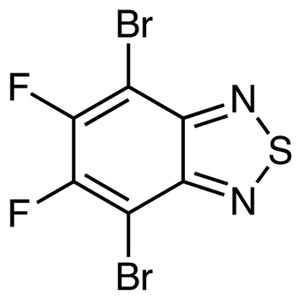
4,7-Dibromo-5,6-difluoro-2,1,3-benzothiadiazole TCI D4734
Regular price Rp 5.246.850,00Regular priceRp 3.684.450,00Sale price Rp 5.246.850,00 -
2-Amino-5-mercapto-1,3,4-thiadiazole TCI A0425
Regular price From Rp 822.150,00Regular priceRp 590.100,00Sale price From Rp 822.150,00