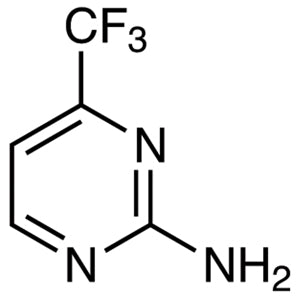
2-Amino-4-(trifluoromethyl)pyrimidine is a chemical compound widely used as a building block in the synthesis of complex organic compounds. Its unique molecular structure, featuring a trifluoromethyl group, makes it a valuable reagent in various chemical reactions. This compound plays a crucial role in the development of pharmaceuticals, industrial materials, and research applications due to its versatility and reactivity. In laboratory settings, it is often employed to create molecules with specific functional groups and electronic properties, enabling the design of new chemical entities with tailored characteristics.
The compound is favored for its stability and controlled reactivity, which allow for predictable outcomes in chemical reactions. The presence of the trifluoromethyl group imparts unique electronic properties, making it suitable for substitution reactions and other complex chemical transformations. Its ability to participate in a wide range of synthetic pathways makes it a preferred choice for chemists working on drug development, material science, and organic synthesis. The compound's stability under certain conditions also ensures consistent performance in laboratory experiments.
In Indonesian laboratories, 2-Amino-4-(trifluoromethyl)pyrimidine is commonly used in scientific research and industrial applications. It is a key component in the development of new pharmaceutical compounds and specialty chemicals. Its availability and reliability make it an essential tool for researchers and institutions engaged in chemical innovation and product development. The compound's role in advancing scientific knowledge and industrial applications is well recognized in the region.
TCI brochures (PDF)
- Fluorination Reagents, Fluorinated Building Blocks 2026-03-18 · p. 48
Related TCI products
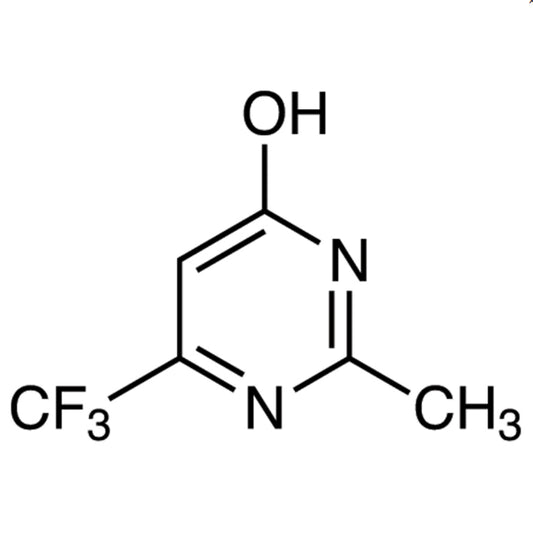
- TCI H1602 2836-44-4 4-Hydroxy-2-methyl-6-(trifluoromethyl)pyrimidine
- TCI H1328 104048-92-2 2-Hydroxy-4-(trifluoromethyl)pyrimidine
- TCI D5980 3932-97-6 2,4-Dichloro-5-(trifluoromethyl)pyrimidine
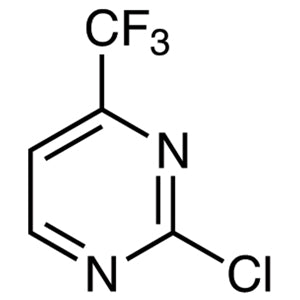
- TCI C2467 33034-67-2 2-Chloro-4-(trifluoromethyl)pyrimidine
- TCI A3230 120068-79-3 5-Amino-1-[2,6-dichloro-4-(trifluoromethyl)phenyl]-1H-pyrazole-3-carbonitrile
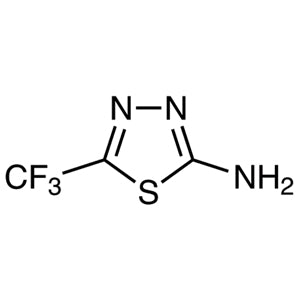
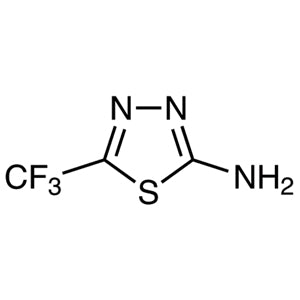
- TCI A2462 10444-89-0 2-Amino-5-trifluoromethyl-1,3,4-thiadiazole
- Pharmaceutical research and development as a key intermediate in the synthesis of novel drug compounds due to its reactivity and structural versatility.
- Organic synthesis applications where controlled reactivity and functional group modification are required for complex molecule construction.
- Industrial chemical manufacturing processes that rely on fluorinated building blocks for the production of specialty materials and intermediates.
- Academic research projects focused on exploring the electronic properties and reactivity of fluorinated compounds in various chemical environments.
- Analytical chemistry applications where the compound serves as a standard or reference material for spectroscopic and chromatographic analysis.
| Brand | TCI |
|---|---|
| CAS number | 16075-42-6 |
| Molecular formula | — |
| Purity | — |
| Category | Chemistry > Building Blocks > Fluorinated Building Blocks |
| Pack sizes | Available in various quantities as per supplier specifications |
| Physical form | Solid (as per standard product description) |
| Storage | Store in a cool, dry place away from light and moisture |
This compound should be stored in a cool, dry environment, away from direct sunlight and moisture. It is recommended to keep it in a sealed container to prevent exposure to air and humidity. Due to its fluorinated nature, it is important to handle it with care to avoid any potential chemical interactions. In laboratory settings, it should be stored in a well-ventilated area, and appropriate personal protective equipment should be worn when handling. The compound is generally stable under normal storage conditions but should be kept away from incompatible materials such as strong oxidizers. Proper labeling and storage practices help ensure safety and maintain the integrity of the compound during use.
—
Produk Terkait
-
4-Hydroxy-2-methyl-6-(trifluoromethyl)pyrimidine TCI H1602
Regular price Rp 637.350,00Regular priceRp 460.950,00Sale price Rp 637.350,00 -
2-Hydroxy-4-(trifluoromethyl)pyrimidine TCI H1328
Regular price Rp 822.150,00Regular priceRp 590.100,00Sale price Rp 822.150,00 -
2,4-Dichloro-5-(trifluoromethyl)pyrimidine TCI D5980
Regular price Rp 1.829.100,00Regular priceRp 1.294.650,00Sale price Rp 1.829.100,00 -
2-Chloro-4-(trifluoromethyl)pyrimidine TCI C2467
Regular price Rp 1.167.600,00Regular priceRp 831.600,00Sale price Rp 1.167.600,00 -
5-Amino-1-[2,6-dichloro-4-(trifluoromethyl)phenyl]-1H-pyrazole-3-carbonitrile TCI A3230
Regular price Rp 848.400,00Regular priceRp 609.000,00Sale price Rp 848.400,00 -
2-Amino-5-trifluoromethyl-1,3,4-thiadiazole TCI A2462
Regular price Rp 1.643.250,00Regular priceRp 1.164.450,00Sale price Rp 1.643.250,00 -
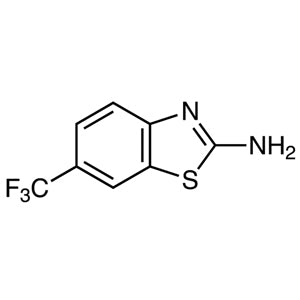
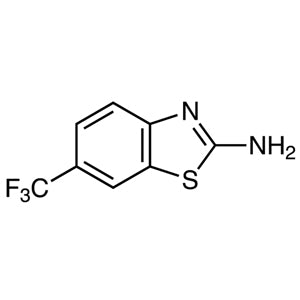
2-Amino-6-(trifluoromethyl)benzothiazole TCI A2461
Regular price Rp 1.483.650,00Regular priceRp 1.053.150,00Sale price Rp 1.483.650,00 -
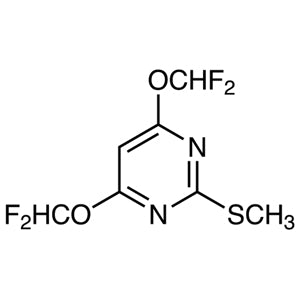
4,6-Bis(difluoromethoxy)-2-(methylthio)pyrimidine TCI B2755
Regular price Rp 717.150,00Regular priceRp 516.600,00Sale price Rp 717.150,00



![120068-79-3 5-Amino-1-[2,6-dichloro-4-(trifluoromethyl)phenyl]-1H-pyrazole-3-carbonitrile - AMI Scientific](http://amiscientific.com/cdn/shop/files/TCI2510A3230.jpg?v=1769141482&width=533)