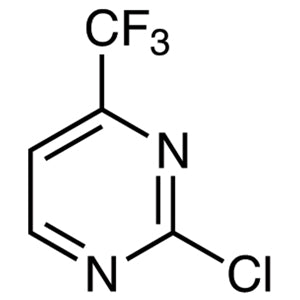
2-Chloro-4-(trifluoromethyl)pyrimidine is a chemical compound widely used as a building block in the synthesis of complex organic molecules. Its unique structure, featuring both chlorine and trifluoromethyl groups, makes it a valuable reagent in various chemical reactions, particularly in halogen substitution and fluorination processes. This compound plays a crucial role in organic and pharmaceutical research, where its reactivity and functional group versatility are highly sought after. In laboratory settings, it is essential for the development of new compounds with specific biological activities, contributing to advancements in drug discovery and chemical innovation.
The compound's molecular structure, which includes a trifluoromethyl group and a chlorine atom, provides it with high reactivity and the ability to participate in a wide range of chemical transformations. The presence of fluorine enhances the compound's chemical stability, making it suitable for applications requiring resistance to degradation. These properties make it a preferred choice for researchers aiming to design and synthesize complex molecules with tailored functionalities. Its stability and reactivity also support its use in multi-step synthetic routes, where precise control over reaction conditions is essential.
In Indonesian laboratories, 2-Chloro-4-(trifluoromethyl)pyrimidine is commonly used in scientific research, particularly in organic chemistry and pharmacology. It is a key component in the development of new drugs, the modification of active compounds, and the study of the chemical and biological properties of complex molecules. Its application is widespread in both academic and industrial research settings, supporting innovation in chemical synthesis and pharmaceutical development.
TCI brochures (PDF)
- Fluorination Reagents, Fluorinated Building Blocks 2026-03-18 · p. 48
Related TCI products
- TCI A2522 16075-42-6 2-Amino-4-(trifluoromethyl)pyrimidine
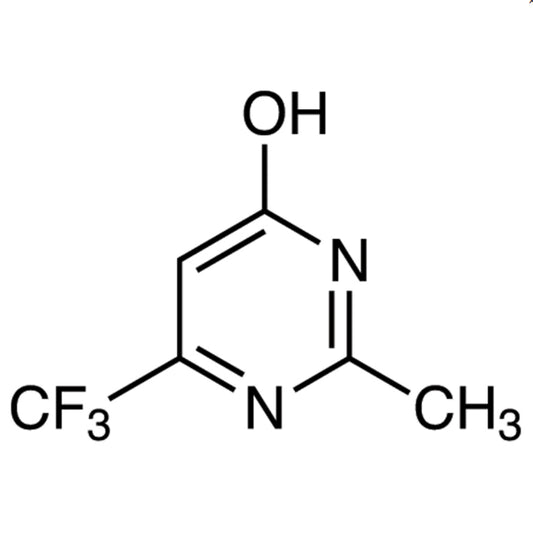
- TCI H1602 2836-44-4 4-Hydroxy-2-methyl-6-(trifluoromethyl)pyrimidine
- TCI H1328 104048-92-2 2-Hydroxy-4-(trifluoromethyl)pyrimidine
- TCI D5980 3932-97-6 2,4-Dichloro-5-(trifluoromethyl)pyrimidine
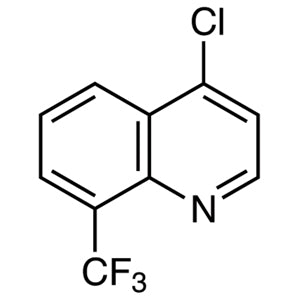
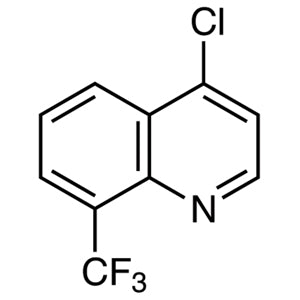
- TCI C3067 23779-97-7 4-Chloro-8-(trifluoromethyl)quinoline
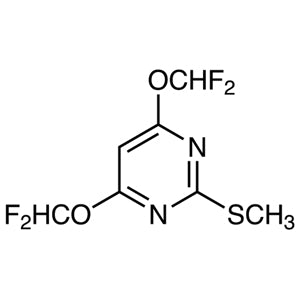
- TCI B2755 100478-25-9 4,6-Bis(difluoromethoxy)-2-(methylthio)pyrimidine
- Organic synthesis is a primary application where this compound serves as a versatile building block for creating complex molecular structures.
- Pharmaceutical research benefits from its use in the development of new drugs due to its reactivity and functional group versatility.
- Fluorination processes rely on its trifluoromethyl group to introduce fluorine atoms into organic molecules, enhancing stability and biological activity.
- Drug modification projects utilize this compound to alter existing active compounds, improving their efficacy and pharmacological profiles.
- Chemical stability studies take advantage of its fluorine content to investigate the behavior of compounds under various chemical conditions.
| Brand | TCI |
|---|---|
| CAS number | 33034-67-2 |
| Molecular formula | — |
| Purity | — |
| Category | Chemistry > Building Blocks > Fluorinated Building Blocks |
| Pack sizes | Available in various quantities as per standard laboratory supply |
| Physical form | Solid |
| Storage | Store in a cool, dry place away from light and incompatible materials |
This compound should be stored in a cool, dry environment, away from direct sunlight and sources of heat. It is recommended to use airtight containers to prevent exposure to moisture and air, which may affect its stability. Due to its chemical reactivity, it should be kept separate from strong oxidizing agents and reactive metals. In laboratory settings, proper personal protective equipment, including gloves and safety goggles, should always be worn when handling the compound. Regular monitoring of storage conditions is essential to maintain its integrity and ensure safe usage in research applications.
—
Produk Terkait
-
2-Amino-4-(trifluoromethyl)pyrimidine TCI A2522
Regular price From Rp 1.060.500,00Regular price -
4-Hydroxy-2-methyl-6-(trifluoromethyl)pyrimidine TCI H1602
Regular price From Rp 584.850,00Regular price -
2-Hydroxy-4-(trifluoromethyl)pyrimidine TCI H1328
Regular price Rp 769.650,00Regular price -
2,4-Dichloro-5-(trifluoromethyl)pyrimidine TCI D5980
Regular price From Rp 1.776.600,00Regular price -
4-Chloro-8-(trifluoromethyl)quinoline TCI C3067
Regular price From Rp 2.969.400,00Regular price -
4,6-Bis(difluoromethoxy)-2-(methylthio)pyrimidine TCI B2755
Regular price From Rp 664.650,00Regular price -
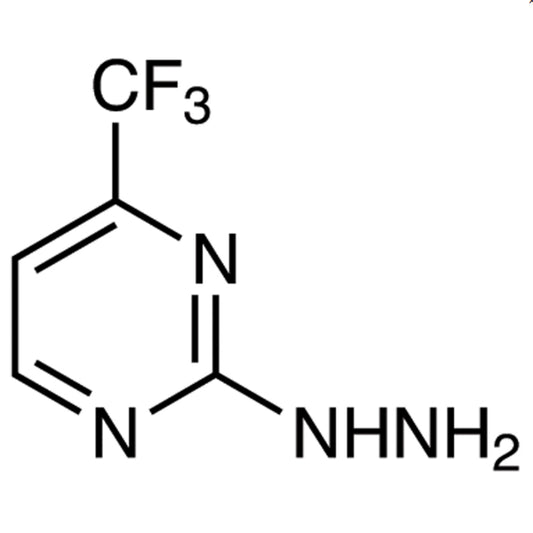
2-Hydrazino-4-(trifluoromethyl)pyrimidine TCI H1574
Regular price From Rp 1.298.850,00Regular price -
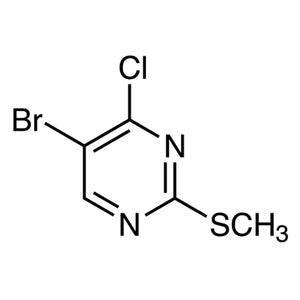
5-Bromo-4-chloro-2-(methylthio)pyrimidine TCI B4406
Regular price From Rp 955.500,00Regular price