

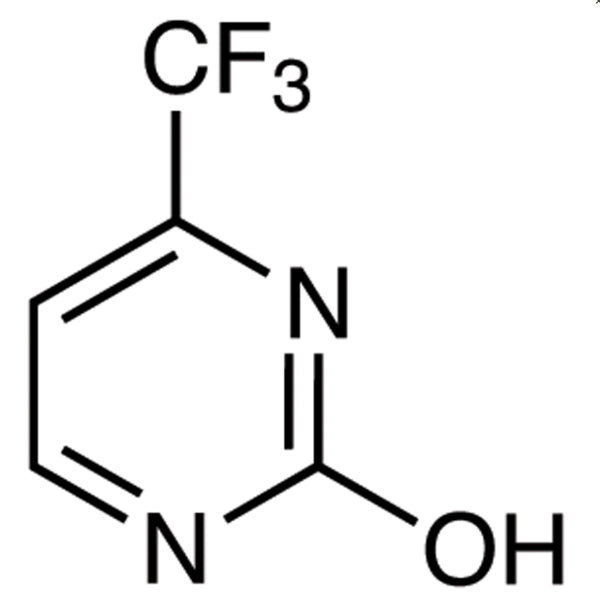
TCI H1328 with CAS number 104048-92-2 is 2-Hydroxy-4-(trifluoromethyl)pyrimidine, a fluorinated nitrogen heterocycle that combines a pyrimidine ring with a trifluoromethyl group. The compound belongs to the class of fluorinated building blocks that are widely sought after in modern medicinal chemistry research, since nearly one fifth of newly approved drugs carry a fluorine atom somewhere in their structure. In the laboratory it serves as a starting scaffold for constructing bioactive molecules, and equally as an entry point toward chloropyrimidine derivatives that are highly reactive toward nucleophilic aromatic substitution.
The properties that make this material distinctive originate from the influence the trifluoromethyl group exerts over the molecule as a whole. That group is strongly electronegative, so it withdraws electron density from the ring and increases the susceptibility of certain positions to nucleophilic attack, while at the same time raising the lipophilicity and the metabolic stability of the derivatives prepared from it. The hydroxy group at position two exists in tautomeric equilibrium with the pyrimidinone form, which supplies two patterns of reactivity at once, O-alkylation and N-alkylation, depending on the reaction conditions chosen. The solid is stable at room temperature.
In Indonesian laboratories this compound is typically encountered in synthetic organic chemistry and medicinal chemistry research groups at universities and research institutes, as well as in development work carried out by pharmaceutical and fine chemical laboratories. It is normally purchased in small research quantities for exploratory route development rather than bulk production, and is handled at the bench alongside other heterocyclic intermediates where reproducible reactivity and a well-defined scaffold matter more than volume.
TCI brochures (PDF)
- Fluorination Reagents, Fluorinated Building Blocks 2026-03-18 · p. 48
Related TCI products
- TCI A2522 16075-42-6 2-Amino-4-(trifluoromethyl)pyrimidine
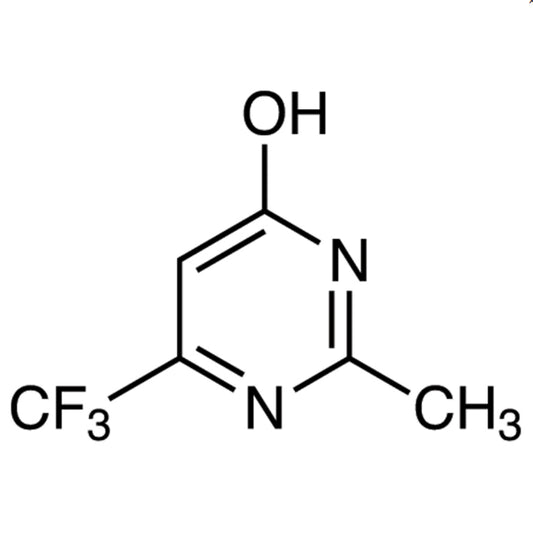
- TCI H1602 2836-44-4 4-Hydroxy-2-methyl-6-(trifluoromethyl)pyrimidine
- TCI D5980 3932-97-6 2,4-Dichloro-5-(trifluoromethyl)pyrimidine
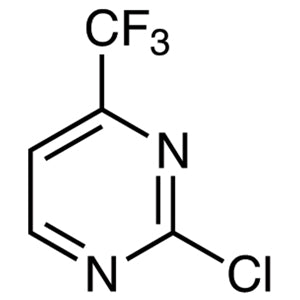
- TCI C2467 33034-67-2 2-Chloro-4-(trifluoromethyl)pyrimidine
- TCI H1454 26198-21-0 1-Hydroxy-6-(trifluoromethyl)benzotriazole
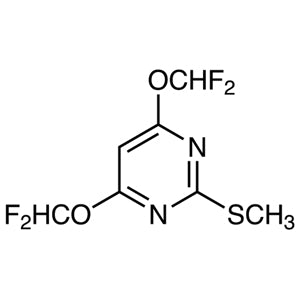
- TCI B2755 100478-25-9 4,6-Bis(difluoromethoxy)-2-(methylthio)pyrimidine
- Medicinal chemistry scaffold development, where the fluorinated pyrimidine core serves as a starting framework for building bioactive molecules with improved lipophilicity and metabolic stability.
- Synthesis of chloropyrimidine derivatives, since conversion of the two-position hydroxy function opens a route to intermediates that are highly reactive toward nucleophilic aromatic substitution.
- Nucleophilic aromatic substitution studies, because the electron-withdrawing trifluoromethyl group depletes ring electron density and makes specific ring positions markedly more susceptible to nucleophilic attack.
- Selective alkylation chemistry, as the tautomeric equilibrium between the hydroxy and pyrimidinone forms allows either O-alkylation or N-alkylation to be favoured by adjusting reaction conditions.
- Fluorinated building block libraries, supporting research programmes that explore fluorine incorporation given how frequently newly approved drugs carry a fluorine atom in their structure.
| Brand | TCI |
|---|---|
| CAS number | 104048-92-2 |
| Molecular formula | — |
| Purity | — |
| Category | Chemistry > Building Blocks > Fluorinated Building Blocks |
| Pack sizes | available in research-scale pack sizes; please confirm the current catalogue options when ordering |
| Physical form | solid, stable at room temperature |
| Storage | — |
- Chemical name: 2-Hydroxy-4-(trifluoromethyl)pyrimidine
Store the container tightly closed in a cool, dry and well-ventilated area, away from moisture, direct sunlight and incompatible reagents. The material is stable at room temperature, but keeping it in its original supplier container, or in a clean amber glass bottle with a chemically resistant closure, helps preserve sample integrity between uses. Weigh and transfer the solid inside a fume hood, and wear safety goggles, a laboratory coat and suitable chemical resistant gloves throughout. Avoid generating or inhaling dust, avoid contact with skin and eyes, and wash hands thoroughly after handling. Consult the manufacturer safety data sheet before first use and follow institutional procedures for waste disposal.
—
Produk Terkait
-
2-Amino-4-(trifluoromethyl)pyrimidine TCI A2522
Regular price From Rp 1.060.500,00Regular price -
4-Hydroxy-2-methyl-6-(trifluoromethyl)pyrimidine TCI H1602
Regular price From Rp 584.850,00Regular price -
2,4-Dichloro-5-(trifluoromethyl)pyrimidine TCI D5980
Regular price From Rp 1.776.600,00Regular price -
2-Chloro-4-(trifluoromethyl)pyrimidine TCI C2467
Regular price From Rp 1.115.100,00Regular price -
1-Hydroxy-6-(trifluoromethyl)benzotriazole TCI H1454
Regular price From Rp 1.140.300,00Regular price -
4,6-Bis(difluoromethoxy)-2-(methylthio)pyrimidine TCI B2755
Regular price From Rp 664.650,00Regular price -
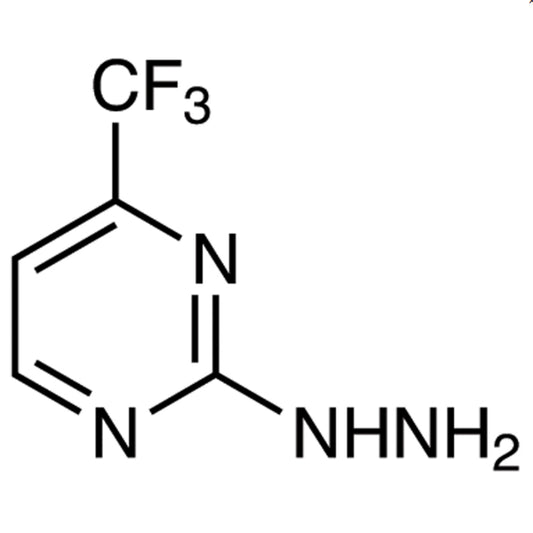
2-Hydrazino-4-(trifluoromethyl)pyrimidine TCI H1574
Regular price From Rp 1.298.850,00Regular price -
7-Hydroxy-5-methyl-2-methylthio-[1,2,4]triazolo[1,5-a]pyrimidine TCI H0940
Regular price From Rp 1.908.900,00Regular price






![40775-78-8 7-Hydroxy-5-methyl-2-methylthio-[1,2,4]triazolo[1,5-a]pyrimidine - AMI Scientific](http://amiscientific.com/cdn/shop/files/TCI2510H0940.jpg?v=1767117270&width=533)