1-Hydroxy-6-(trifluoromethyl)benzotriazole is a chemical compound widely used in organic synthesis as a building block for the development of complex molecular structures. This compound plays a crucial role in laboratory settings, particularly in the creation of pharmaceuticals and specialty chemicals. Its unique molecular structure, which includes a trifluoromethyl group, makes it a versatile reagent for various chemical transformations. Due to its stability and reactivity, it is frequently employed in synthetic pathways that require controlled chemical reactions.
The compound's fluorinated structure provides it with distinctive electronic properties, making it highly desirable in both organic and pharmaceutical research. The presence of fluorine atoms enhances the molecule's stability and reactivity, allowing it to participate effectively in substitution and condensation reactions. These properties make it a preferred choice for chemists aiming to design molecules with specific functional groups and desired biological activities. Its compatibility with a wide range of reaction conditions further contributes to its popularity in synthetic chemistry.
In Indonesian laboratories, 1-Hydroxy-6-(trifluoromethyl)benzotriazole is commonly used in scientific research and drug development projects. Its ability to facilitate the synthesis of active pharmaceutical ingredients makes it a valuable tool for researchers working on new drug formulations. The compound's role in creating stable molecular structures also supports its application in the development of advanced chemical products. Its reliability and effectiveness in laboratory settings have made it a standard component in many research programs.
TCI brochures (PDF)
- Condensing Agents 2025-11-18 · p. 4
- Amino Acids and Peptide Synthesis Reagents 2025-08-14 · p. 38
- Fluorination Reagents, Fluorinated Building Blocks 2026-03-18 · p. 50
Related TCI products
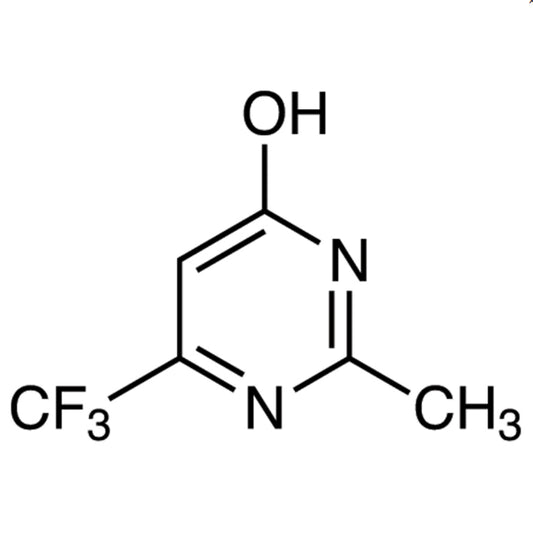
- TCI H1602 2836-44-4 4-Hydroxy-2-methyl-6-(trifluoromethyl)pyrimidine
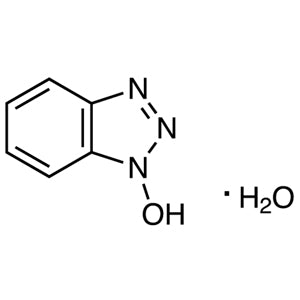
- TCI H0468 80029-43-2 1-Hydroxybenzotriazole Monohydrate
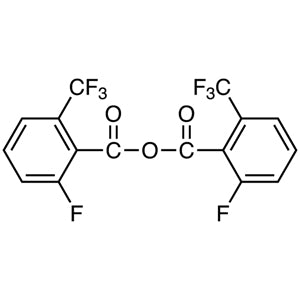
- TCI F1184 2118332-08-2 2-Fluoro-6-(trifluoromethyl)benzoic Anhydride
- TCI H1261 96478-09-0 2-[2-Hydroxy-5-[2-(methacryloyloxy)ethyl]phenyl]-2H-benzotriazole
- TCI H0716 3147-75-9 2-(2-Hydroxy-5-tert-octylphenyl)benzotriazole
- TCI H0560 2440-22-4 2-(2-Hydroxy-5-methylphenyl)benzotriazole
- Organic synthesis of complex molecules requiring fluorine substitution due to its stable and reactive fluorinated structure.
- Development of pharmaceutical compounds where controlled reactivity and molecular stability are essential for drug design.
- Condensation reactions in the creation of functionalized aromatic compounds for pharmaceutical and industrial applications.
- Research in medicinal chemistry to produce active pharmaceutical ingredients with enhanced bioavailability and stability.
- Synthesis of specialty chemicals that require precise molecular modifications and controlled chemical reactivity.
| Brand | TCI |
|---|---|
| CAS number | 26198-21-0 |
| Molecular formula | — |
| Purity | — |
| Category | Chemistry > Building Blocks > Fluorinated Building Blocks |
| Pack sizes | Available in various quantities as per supplier specifications |
| Physical form | Solid, crystalline appearance |
| Storage | Store in a cool, dry place away from moisture and direct sunlight |
This compound should be stored in a cool, dry environment to maintain its chemical integrity. It is recommended to keep it in a sealed container to prevent exposure to moisture and air. Due to its fluorinated nature, it is important to handle it with care, using appropriate personal protective equipment. The compound is generally stable under normal laboratory conditions but should be stored away from incompatible substances. Proper ventilation should be maintained in the laboratory to ensure safe handling. Regular inspection of storage conditions is advised to ensure the compound remains in optimal condition for use.
—
Produk Terkait
-
4-Hydroxy-2-methyl-6-(trifluoromethyl)pyrimidine TCI H1602
Regular price From Rp 584.850,00Regular price -
1-HydroxybenzotriazoleMonohydrate TCI H0468
Regular price From Rp 1.618.050,00Regular price -
2-Fluoro-6-(trifluoromethyl)benzoicAnhydride TCI F1184
Regular price Rp 2.016.000,00Regular price -
2-[2-Hydroxy-5-[2-(methacryloyloxy)ethyl]phenyl]-2H-benzotriazole TCI H1261
Regular price From Rp 1.035.300,00Regular price -
2-(2-Hydroxy-5-tert-octylphenyl)benzotriazole TCI H0716
Regular price From Rp 530.250,00Regular price -
2-(2-Hydroxy-5-methylphenyl)benzotriazole TCI H0560
Regular price From Rp 664.650,00Regular price -
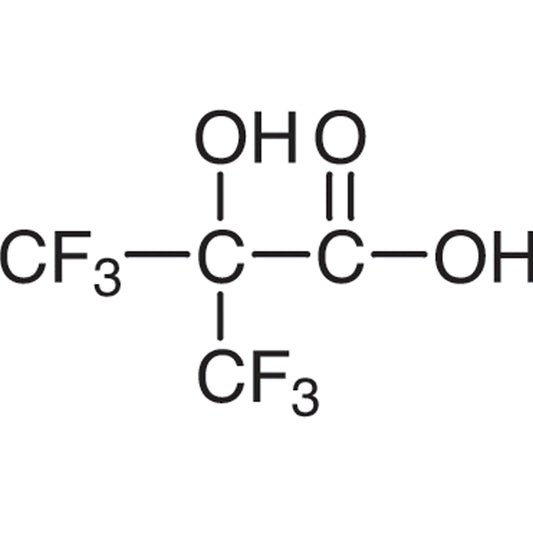
3,3,3-Trifluoro-2-hydroxy-2-(trifluoromethyl)propionicAcid TCI T2587
Regular price From Rp 3.048.150,00Regular price


![96478-09-0 2-[2-Hydroxy-5-[2-(methacryloyloxy)ethyl]phenyl]-2H-benzotriazole - AMI Scientific](http://amiscientific.com/cdn/shop/files/TCI2510H1261.jpg?v=1769056387&width=533)