


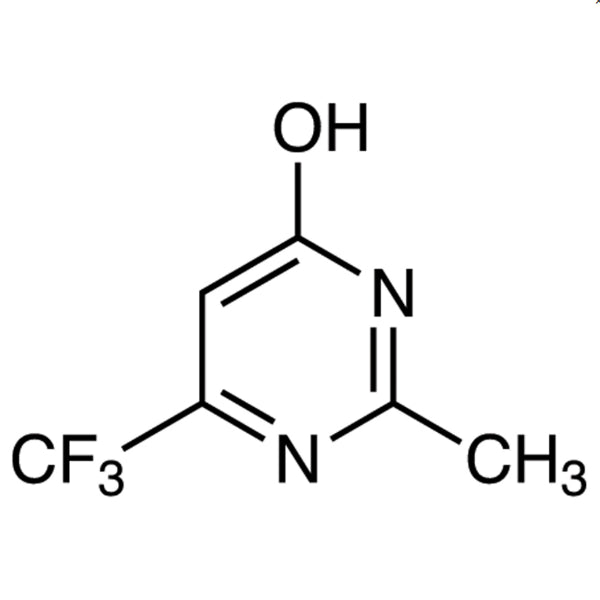
4-Hydroxy-2-methyl-6-(trifluoromethyl)pyrimidine is a chemical compound widely used as a building block in the synthesis of complex molecules. Its unique molecular structure, featuring hydroxyl, methyl, and trifluoromethyl groups, makes it a versatile reagent in organic chemistry. This compound plays a critical role in laboratories where the introduction of fluorine atoms is necessary for the development of new materials or pharmaceuticals. Its presence in chemical reactions allows for the creation of compounds with specific functional properties.
The compound's chemical properties make it a preferred choice for researchers. It exhibits high polarity due to the trifluoromethyl group, enabling good solubility in organic solvents. This characteristic is essential for reactions that require efficient mixing and dissolution of reactants. Additionally, its reactivity under certain conditions, such as high temperatures or in the presence of strong reagents, makes it suitable for substitution and bond-forming reactions. The stability of the compound under controlled conditions further enhances its reliability in laboratory settings.
In Indonesian laboratories, 4-Hydroxy-2-methyl-6-(trifluoromethyl)pyrimidine is commonly used in organic chemistry research, particularly in pharmaceutical and materials science applications. Local researchers frequently utilize this compound for the development of new compounds with medical or industrial applications. Its availability in the local market ensures accessibility for both academic and industrial researchers. The compound's role in advancing scientific research in Indonesia is significant and growing.
Related TCI products
- TCI A2522 16075-42-6 2-Amino-4-(trifluoromethyl)pyrimidine
- TCI H1328 104048-92-2 2-Hydroxy-4-(trifluoromethyl)pyrimidine
- TCI D5980 3932-97-6 2,4-Dichloro-5-(trifluoromethyl)pyrimidine
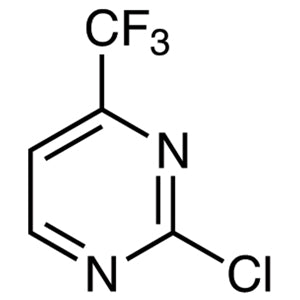
- TCI C2467 33034-67-2 2-Chloro-4-(trifluoromethyl)pyrimidine
- TCI H1454 26198-21-0 1-Hydroxy-6-(trifluoromethyl)benzotriazole
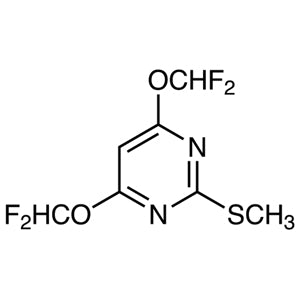
- TCI B2755 100478-25-9 4,6-Bis(difluoromethoxy)-2-(methylthio)pyrimidine
- Organic Synthesis: This compound is ideal for creating complex molecules due to its functional groups and reactivity.
- Pharmaceutical Research: It is used in the development of new drugs because of its ability to introduce fluorine atoms into molecular structures.
- Material Science: Its unique properties make it suitable for synthesizing advanced materials with specific chemical characteristics.
- Fluorination Reactions: The presence of the trifluoromethyl group makes it a valuable reagent in fluorination processes.
- Compound Modification: It is often used in modifying existing compounds to enhance their chemical or biological properties.
| Brand | TCI |
|---|---|
| CAS number | 2836-44-4 |
| Molecular formula | — |
| Purity | — |
| Category | Chemistry > Building Blocks > Fluorinated Building Blocks |
| Pack sizes | Available in various quantities as per standard laboratory supply |
| Physical form | Solid or crystalline, depending on the batch |
| Storage | Store in a cool, dry place away from direct sunlight and moisture |
This compound should be stored in a cool, dry environment, away from direct sunlight and moisture. It is recommended to use airtight containers made of glass or high-density polyethylene to prevent contamination and degradation. Due to its reactivity under certain conditions, it should be handled with care, using appropriate personal protective equipment such as gloves and safety goggles. It is important to ensure proper ventilation in the laboratory when working with this compound. Avoid exposure to high temperatures or strong reagents to maintain its stability and effectiveness. Always follow standard laboratory safety protocols to minimize risks associated with its handling.
—
Produk Terkait
-
2-Amino-4-(trifluoromethyl)pyrimidine TCI A2522
Regular price From Rp 1.060.500,00Regular price -
2-Hydroxy-4-(trifluoromethyl)pyrimidine TCI H1328
Regular price Rp 769.650,00Regular price -
2,4-Dichloro-5-(trifluoromethyl)pyrimidine TCI D5980
Regular price From Rp 1.776.600,00Regular price -
2-Chloro-4-(trifluoromethyl)pyrimidine TCI C2467
Regular price From Rp 1.115.100,00Regular price -
1-Hydroxy-6-(trifluoromethyl)benzotriazole TCI H1454
Regular price From Rp 1.140.300,00Regular price -
4,6-Bis(difluoromethoxy)-2-(methylthio)pyrimidine TCI B2755
Regular price From Rp 664.650,00Regular price -
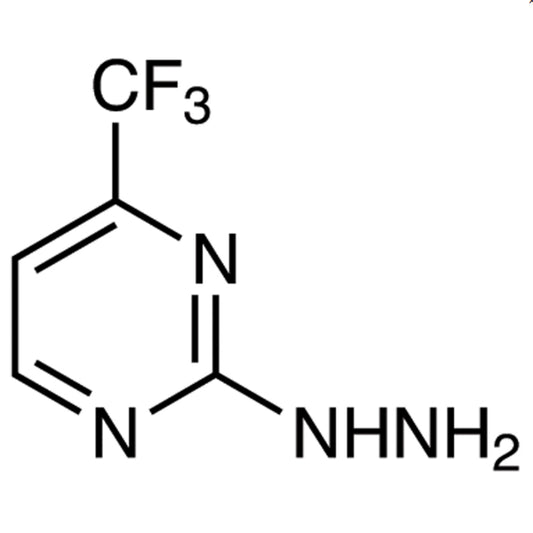
2-Hydrazino-4-(trifluoromethyl)pyrimidine TCI H1574
Regular price From Rp 1.298.850,00Regular price -
7-Hydroxy-5-methyl-2-methylthio-[1,2,4]triazolo[1,5-a]pyrimidine TCI H0940
Regular price From Rp 1.908.900,00Regular price




![40775-78-8 7-Hydroxy-5-methyl-2-methylthio-[1,2,4]triazolo[1,5-a]pyrimidine - AMI Scientific](http://amiscientific.com/cdn/shop/files/TCI2510H0940.jpg?v=1767117270&width=533)