4,6-Bis(difluoromethoxy)-2-(methylthio)pyrimidine is a specialized organic compound widely used in laboratory settings for synthetic chemistry applications. This compound plays a crucial role in the development of heterocyclic structures and pyrimidine derivatives, making it a key building block in modern chemical research. Its unique molecular structure allows for versatile reactivity under various chemical conditions, supporting a wide range of synthetic pathways. Due to its functional groups, it is particularly valuable in the synthesis of bioactive compounds and industrial chemicals.
The compound's chemical properties, including the presence of difluoromethoxy and methylthio groups, contribute to its reactivity and solubility characteristics. These groups influence the molecule's polarity and stability, enhancing its utility in different reaction conditions. The fluorinated nature of the molecule also affects its overall reactivity and compatibility with various reagents, making it a preferred choice for chemists working on complex synthesis projects. Its solubility in organic solvents further simplifies its use in laboratory procedures.
In Indonesian laboratories, this compound is commonly utilized by researchers in chemistry and pharmaceutical fields. It supports the development of new compounds with potential medical or industrial applications. Its availability facilitates local research efforts, enabling scientists to conduct advanced synthetic experiments and explore novel chemical structures. The compound's reliability and performance make it a trusted resource in academic and industrial research environments.
TCI brochures (PDF)
- Difluoromethylated Compounds 2025-05-01 · p. 1
- Fluorination Reagents, Fluorinated Building Blocks 2026-03-18 · p. 50
Related TCI products
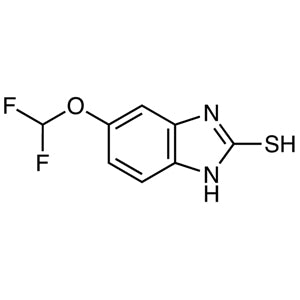
- TCI D3438 97963-62-7 5-(Difluoromethoxy)-2-mercaptobenzimidazole
- TCI M2851 16097-62-4 2-(Methylthio)-6-(trifluoromethyl)pyrimidin-4(1H)-one
- TCI A2522 16075-42-6 2-Amino-4-(trifluoromethyl)pyrimidine
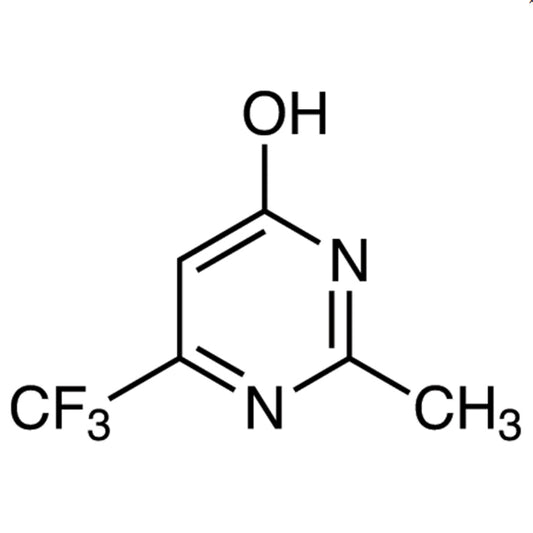
- TCI H1602 2836-44-4 4-Hydroxy-2-methyl-6-(trifluoromethyl)pyrimidine
- TCI H1328 104048-92-2 2-Hydroxy-4-(trifluoromethyl)pyrimidine
- TCI D5980 3932-97-6 2,4-Dichloro-5-(trifluoromethyl)pyrimidine
- Organic synthesis of heterocyclic compounds due to its reactive functional groups and structural versatility.
- Development of pyrimidine derivatives for pharmaceutical research as a key intermediate in drug synthesis.
- Investigation of fluorinated compounds for their unique chemical and biological properties in medicinal chemistry.
- Preparation of bioactive molecules for applications in drug discovery and development.
- Use in industrial chemical synthesis to produce compounds with specific functional groups and reactivity profiles.
| Brand | TCI |
|---|---|
| CAS number | 100478-25-9 |
| Molecular formula | — |
| Purity | — |
| Category | Chemistry > Building Blocks > Fluorinated Building Blocks |
| Pack sizes | — |
| Physical form | — |
| Storage | Store in a cool, dry place away from light and moisture |
This compound should be stored in a cool, dry environment, away from direct light and moisture. It is recommended to use airtight containers to prevent exposure to air and humidity, which may affect its stability. Due to its chemical nature, it should be handled with appropriate personal protective equipment, such as gloves and safety goggles, to ensure laboratory safety. Storage conditions should be maintained to preserve the compound's integrity and reactivity. It is important to keep the material away from incompatible substances to avoid any potential chemical interactions. Proper labeling and storage practices help maintain the compound's effectiveness and safety in laboratory settings.
—
Produk Terkait
-
5-(Difluoromethoxy)-2-mercaptobenzimidazole TCI D3438
Regular price Rp 1.220.100,00Regular priceRp 868.350,00Sale price Rp 1.220.100,00 -
2-(Methylthio)-6-(trifluoromethyl)pyrimidin-4(1H)-one TCI M2851
Regular price From Rp 530.250,00Regular priceRp 386.400,00Sale price From Rp 530.250,00 -
2-Amino-4-(trifluoromethyl)pyrimidine TCI A2522
Regular price From Rp 1.113.000,00Regular priceRp 793.800,00Sale price From Rp 1.113.000,00 -
4-Hydroxy-2-methyl-6-(trifluoromethyl)pyrimidine TCI H1602
Regular price From Rp 637.350,00Regular priceRp 460.950,00Sale price From Rp 637.350,00 -
2-Hydroxy-4-(trifluoromethyl)pyrimidine TCI H1328
Regular price Rp 822.150,00Regular priceRp 590.100,00Sale price Rp 822.150,00 -
2,4-Dichloro-5-(trifluoromethyl)pyrimidine TCI D5980
Regular price From Rp 1.829.100,00Regular priceRp 1.294.650,00Sale price From Rp 1.829.100,00 -
2-Chloro-4-(trifluoromethyl)pyrimidine TCI C2467
Regular price From Rp 1.167.600,00Regular priceRp 831.600,00Sale price From Rp 1.167.600,00 -
5-Bromo-4-chloro-2-(methylthio)pyrimidine TCI B4406
Regular price From Rp 1.008.000,00Regular priceRp 720.300,00Sale price From Rp 1.008.000,00