1-Aminocyclopropanecarbonitrile Hydrochloride is a chemical compound widely used in organic reactions and the synthesis of complex molecules. As a key building block in chemical research, it plays a vital role in the development of heterocyclic compounds and other intricate molecular structures. Its versatility makes it an essential reagent for both fundamental and applied chemistry studies. This compound is particularly valuable for its ability to participate in various reaction mechanisms, including nucleophilic, electrophilic, and substitution reactions.
The compound's unique molecular structure, featuring a cyclopropane ring and a nitrile group, contributes to its high reactivity. These structural features enable it to engage in a wide range of chemical transformations, making it a preferred choice for synthetic chemists. Additionally, its solubility in organic solvents such as ethyl acetate and ethanol enhances its usability in laboratory settings. This solubility facilitates efficient processing and application in both research and industrial contexts.
In Indonesian laboratories, 1-Aminocyclopropanecarbonitrile Hydrochloride is commonly used in scientific research across multiple disciplines, including pharmaceuticals, organic chemistry, and materials science. Its availability and reliability in chemical reactions make it a go-to compound for researchers aiming to develop new compounds and materials. Its role in advancing chemical innovation is significant, especially in the context of local scientific development.
Related TCI products
- TCI A3039 103646-82-8 5-Amino-1-(p-tolyl)pyrazole-4-carbonitrile
- TCI C4103 24973-49-7 [1,1'-Biphenyl]-2-carbonitrile
- TCI B6956 690260-67-4 2'-Bromo-[1,1'-biphenyl]-3-carbonitrile
- TCI B5965 160521-46-0 3'-Bromo[1,1'-biphenyl]-4-carbonitrile
- TCI B5964 1040141-34-1 3'-Bromo[1,1'-biphenyl]-3-carbonitrile
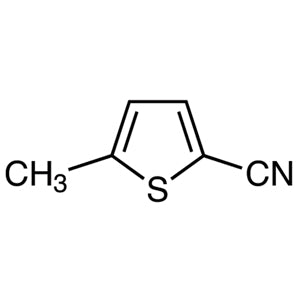
- TCI M2959 72835-25-7 5-Methylthiophene-2-carbonitrile
- Organic synthesis applications benefit from its reactivity and structural versatility, enabling the creation of complex heterocyclic compounds.
- Pharmaceutical research utilizes this compound for the development of novel drug molecules due to its ability to participate in diverse reaction pathways.
- Material science studies leverage its chemical properties to design and synthesize advanced functional materials with specific characteristics.
- Chemical education and training programs incorporate it as a fundamental building block for teaching reaction mechanisms and synthetic strategies.
- Industrial chemical processes use it as a reliable reagent for the production of specialty chemicals and intermediates in various manufacturing sectors.
| Brand | TCI |
|---|---|
| CAS number | 127946-77-4 |
| Molecular formula | — |
| Purity | — |
| Category | Chemistry > Building Blocks > Non-Heterocyclic Building Blocks |
| Pack sizes | Available in various quantities as per standard laboratory requirements |
| Physical form | Solid powder |
| Storage | Store in a cool, dry place away from moisture and direct sunlight |
This compound should be stored in a cool, dry environment, away from moisture and direct sunlight to maintain its chemical stability. It is recommended to use airtight containers to prevent exposure to air and humidity, which could affect its reactivity. Due to its chemical nature, it should be handled with appropriate personal protective equipment, such as gloves and safety goggles, to ensure laboratory safety. Avoid contact with incompatible substances, and ensure proper ventilation when working with it. Its reactivity necessitates careful handling and storage to preserve its effectiveness in chemical reactions.
—
Produk Terkait
-
5-Amino-1-(p-tolyl)pyrazole-4-carbonitrile TCI A3039
Regular price Rp 3.365.250,00Regular priceRp 2.368.800,00Sale price Rp 3.365.250,00 -
[1,1'-Biphenyl]-2-carbonitrile TCI C4103
Regular price From Rp 2.147.250,00Regular priceRp 1.517.250,00Sale price From Rp 2.147.250,00 -
2'-Bromo-[1,1'-biphenyl]-3-carbonitrile TCI B6956
Regular price From Rp 2.809.800,00Regular priceRp 1.980.300,00Sale price From Rp 2.809.800,00 -
3'-Bromo[1,1'-biphenyl]-4-carbonitrile TCI B5965
Regular price From Rp 2.411.850,00Regular priceRp 1.702.050,00Sale price From Rp 2.411.850,00 -
3'-Bromo[1,1'-biphenyl]-3-carbonitrile TCI B5964
Regular price From Rp 2.147.250,00Regular priceRp 1.517.250,00Sale price From Rp 2.147.250,00 -
5-Methylthiophene-2-carbonitrile TCI M2959
Regular price Rp 1.801.800,00Regular priceRp 1.275.750,00Sale price Rp 1.801.800,00 -
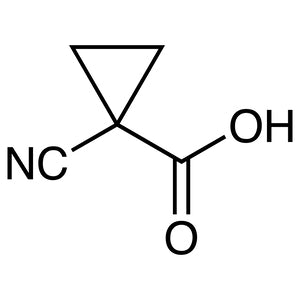
1-CyanocyclopropanecarboxylicAcid TCI C3490
Regular price From Rp 1.538.250,00Regular priceRp 1.090.950,00Sale price From Rp 1.538.250,00 -
1-Phenylcyclohexanecarbonitrile TCI P2253
Regular price Rp 2.544.150,00Regular priceRp 1.794.450,00Sale price Rp 2.544.150,00