


4-Aminomethyltetrahydropyran is a chemical compound widely used as a building block in the synthesis of complex molecules. Its unique molecular structure enables it to participate in various chemical reactions, leading to the formation of diverse end products. In laboratory settings, this compound plays a crucial role in organic reactions, particularly in the synthesis of heterocyclic compounds or complex molecular structures. Due to its stability and controlled reactivity, it is a favored choice among researchers working in various fields of chemistry.
The compound's ability to undergo substitution, reduction, and cyclic reactions makes it highly versatile in laboratory applications. Its predictable behavior under different reaction conditions allows chemists to design and execute complex synthetic pathways with greater precision. This makes it an essential tool for those involved in organic synthesis and chemical research. Its chemical properties ensure consistent performance, enhancing the reliability of experimental outcomes.
In Indonesian laboratories, 4-Aminomethyltetrahydropyran is commonly used in organic chemistry research, especially in projects related to the synthesis of pharmacological compounds or industrial chemicals. Its availability and favorable properties make it a relevant and practical choice for local researchers. The compound's role in advancing chemical innovation is well recognized, supporting both academic and industrial research efforts.
Related TCI products
- TCI B5147 10029-07-9 trans-1,4-Bis(aminomethyl)cyclohexane
- TCI B5146 10029-09-1 cis-1,4-Bis(aminomethyl)cyclohexane
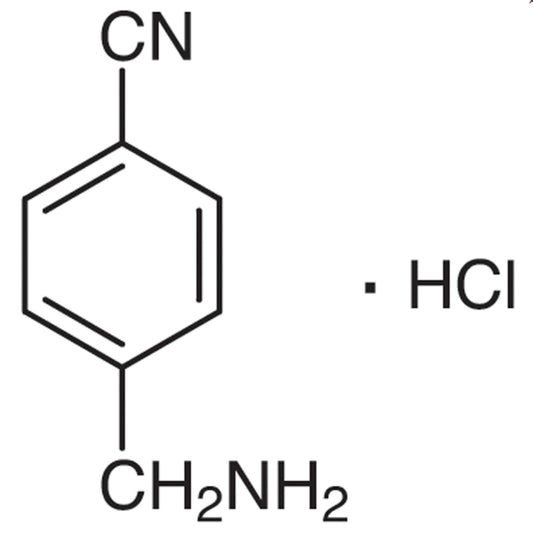
- TCI A1645 15996-76-6 4-(Aminomethyl)benzonitrile Hydrochloride
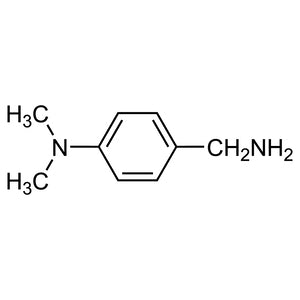
- TCI D6503 19293-58-4 4-(Aminomethyl)-N,N-dimethylaniline
- TCI M2869 90389-96-1 3-(Methylaminomethyl)benzonitrile
- TCI T2965 14774-37-9 Tetrahydropyran-4-methanol
- Synthesis of heterocyclic compounds for drug development due to its ability to participate in cyclization reactions.
- Organic reaction intermediates in the creation of complex molecular structures for pharmaceutical and industrial applications.
- Research in medicinal chemistry for the development of new therapeutic agents through structural modification.
- Industrial chemical synthesis where controlled reactivity and stability are essential for producing high-quality products.
- Educational use in teaching organic chemistry principles, demonstrating the role of building blocks in molecular synthesis.
| Brand | TCI |
|---|---|
| CAS number | 130290-79-8 |
| Molecular formula | — |
| Purity | — |
| Category | Chemistry > Building Blocks > Non-Heterocyclic Building Blocks |
| Pack sizes | Available in various quantities as per supplier specifications |
| Physical form | Liquid |
| Storage | Store in a cool, dry place away from light and incompatible materials |
This compound should be stored in a cool, dry environment, away from direct sunlight and sources of heat. It is recommended to use airtight containers made of materials compatible with its chemical nature, such as glass or high-density polyethylene. Proper labeling of containers is essential for safety and identification. Due to its chemical reactivity, it should be handled with appropriate personal protective equipment, including gloves and safety goggles. Ensure that storage areas are well-ventilated to prevent the accumulation of vapors. Always follow standard laboratory safety protocols when working with this compound to minimize risks.
—
Produk Terkait
-
trans-1,4-Bis(aminomethyl)cyclohexane TCI B5147
Regular price From Rp 7.314.300,00Regular price -
cis-1,4-Bis(aminomethyl)cyclohexane TCI B5146
Regular price From Rp 8.215.200,00Regular price -
4-(Aminomethyl)benzonitrileHydrochloride TCI A1645
Regular price From Rp 769.650,00Regular price -
4-(Aminomethyl)-N,N-dimethylaniline TCI D6503
Regular price From Rp 2.068.500,00Regular price -
3-(Methylaminomethyl)benzonitrile TCI M2869
Regular price From Rp 1.881.600,00Regular price -
Tetrahydropyran-4-methanol TCI T2965
Regular price From Rp 1.856.400,00Regular price -
N,N'-Bis(dimethylaminomethylene)hydrazine TCI B3480
Regular price From Rp 3.367.350,00Regular price -
tert-Butyl[1-(Aminomethyl)cyclobutyl]carbamate TCI D6477
Regular price Rp 4.584.300,00Regular price




![tert-Butyl [1-(Aminomethyl)cyclobutyl]carbamate (CAS 1286330-22-0) - TCI D6477 - AMI Scientific](http://amiscientific.com/cdn/shop/files/TCI2510D6477.jpg?v=1767110257&width=533)