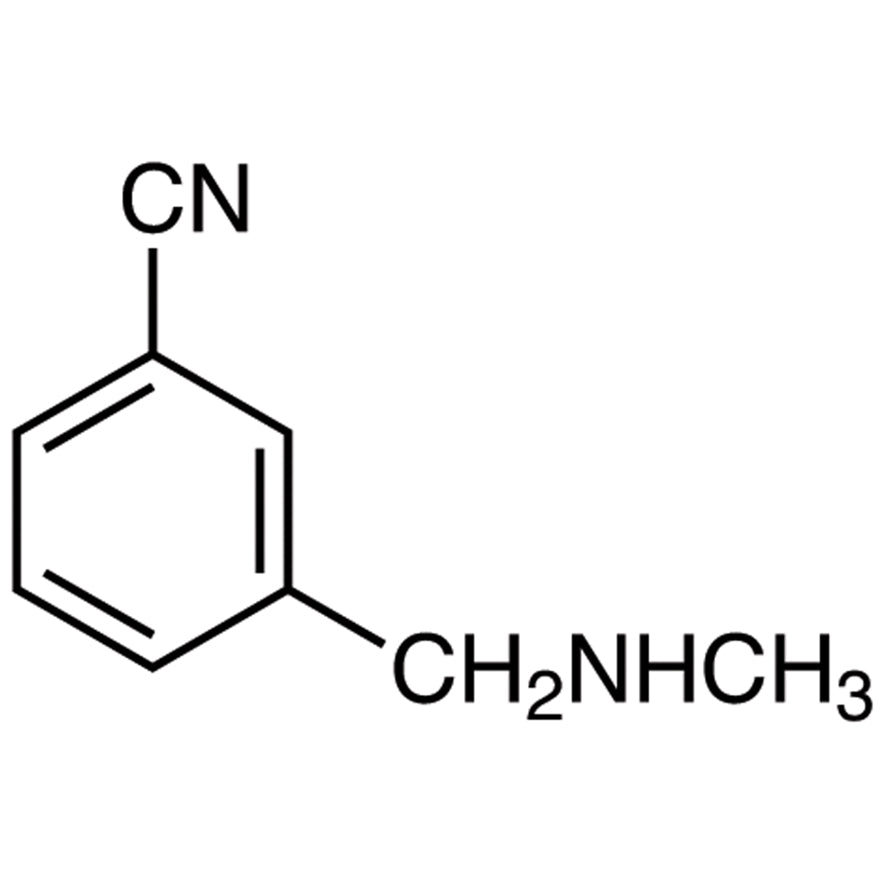
3-(Methylaminomethyl)benzonitrile is a chemical compound widely used as a foundational building block in the synthesis of complex molecules. It plays a crucial role in organic chemistry laboratories, where it serves as a versatile intermediate in various synthetic pathways. This compound is particularly valuable for its ability to participate in multiple reaction types, including substitution, addition, and nucleophilic reactions, making it a key component in the development of new chemical entities. Its presence in research settings supports the creation of compounds with specific biological functions, contributing to advancements in pharmaceutical and material sciences.
The compound’s stable molecular structure and high reactivity make it a preferred choice for chemists seeking reliable and efficient synthetic tools. Its ability to form nitrogen-carbon bonds under controlled conditions allows for the construction of diverse molecular frameworks. These characteristics ensure that it remains a go-to reagent for researchers aiming to explore new chemical transformations and functional group modifications. Its versatility and consistent performance across a range of experimental conditions further enhance its appeal in both academic and industrial research environments.
In Indonesian laboratories, 3-(Methylaminomethyl)benzonitrile is commonly used in the synthesis of bioactive compounds and the development of pharmaceuticals. Its role in creating molecules with specific biological activities supports research in drug discovery and chemical material development. The compound’s broad applicability across multiple scientific disciplines underscores its importance in advancing chemical research in Indonesia.
Related TCI products
- TCI B5147 10029-07-9 trans-1,4-Bis(aminomethyl)cyclohexane
- TCI B5146 10029-09-1 cis-1,4-Bis(aminomethyl)cyclohexane
- TCI B3480 16114-05-9 N,N'-Bis(dimethylaminomethylene)hydrazine
- TCI B3253 27687-14-5 trans-4-(tert-Butoxycarbonylaminomethyl)cyclohexanecarboxylic Acid
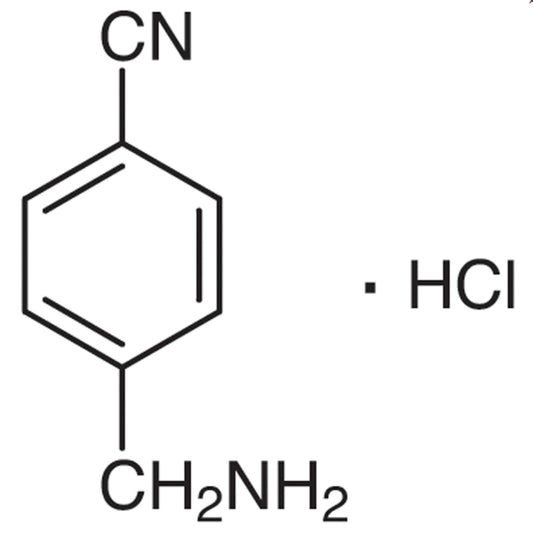
- TCI A1645 15996-76-6 4-(Aminomethyl)benzonitrile Hydrochloride
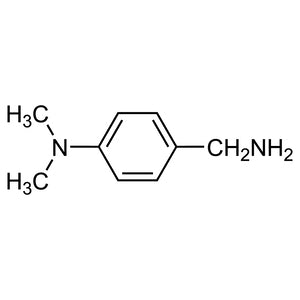
- TCI D6503 19293-58-4 4-(Aminomethyl)-N,N-dimethylaniline
- Synthesis of bioactive compounds due to its ability to form nitrogen-carbon bonds and participate in diverse chemical reactions.
- Development of pharmaceuticals because of its role in constructing complex molecular structures with biological functions.
- Organic chemistry research as a reliable building block for creating new chemical entities through substitution and nucleophilic reactions.
- Material science applications owing to its stability and reactivity in forming functionalized molecules.
- Drug discovery projects where the compound supports the design of molecules with targeted biological activities.
| Brand | TCI |
|---|---|
| CAS number | 90389-96-1 |
| Molecular formula | — |
| Purity | — |
| Category | Chemistry > Building Blocks > Non-Heterocyclic Building Blocks |
| Pack sizes | Available in various quantities as per standard laboratory supply options |
| Physical form | Solid or liquid depending on the specific formulation |
| Storage | Store in a cool, dry place away from direct sunlight and incompatible substances |
This compound should be stored in a cool, dry environment, away from direct sunlight and sources of heat. It is recommended to use airtight containers made of materials compatible with its chemical properties to prevent contamination and degradation. Proper ventilation is essential when handling the material to minimize exposure to vapors. Laboratory personnel should wear appropriate personal protective equipment, including gloves and safety goggles, to ensure safe handling. The compound should be kept away from incompatible substances such as strong oxidizers or acids to prevent unwanted reactions. Regular monitoring of storage conditions is advised to maintain the integrity and safety of the material.
—
Produk Terkait
-
trans-1,4-Bis(aminomethyl)cyclohexane TCI B5147
Regular price From Rp 7.314.300,00Regular price -
cis-1,4-Bis(aminomethyl)cyclohexane TCI B5146
Regular price From Rp 8.215.200,00Regular price -
N,N'-Bis(dimethylaminomethylene)hydrazine TCI B3480
Regular price From Rp 3.367.350,00Regular price -
trans-4-(tert-Butoxycarbonylaminomethyl)cyclohexanecarboxylicAcid TCI B3253
Regular price From Rp 1.510.950,00Regular price -
4-(Aminomethyl)benzonitrileHydrochloride TCI A1645
Regular price From Rp 769.650,00Regular price -
4-(Aminomethyl)-N,N-dimethylaniline TCI D6503
Regular price From Rp 2.068.500,00Regular price -
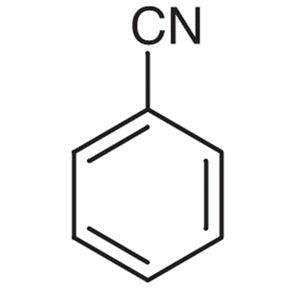
Benzonitrile TCI B0082
Regular price From Rp 530.250,00Regular price -
4-(1-Piperazinyl)benzonitrile TCI P2449
Regular price From Rp 2.597.700,00Regular price