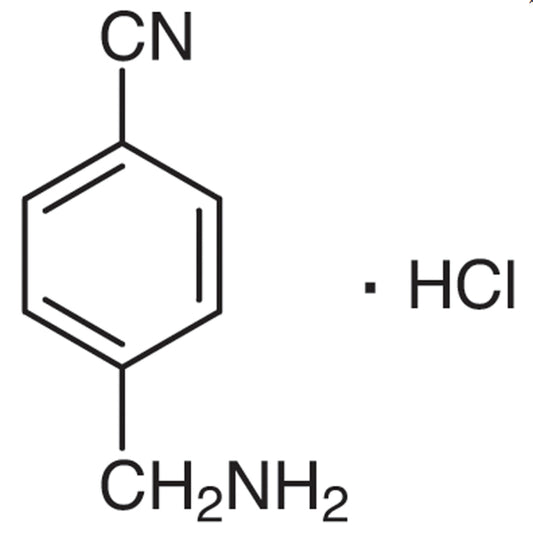


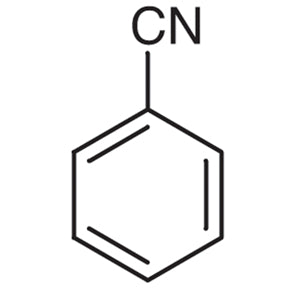
Benzonitrile is a chemical compound widely used in various chemical applications, particularly in the synthesis of organic compounds. As a fundamental building block, it plays a crucial role in the formation of both heterocyclic and non-heterocyclic compounds. Its presence in chemical reactions allows for the development of complex molecular structures, making it an essential component in organic chemistry. In the laboratory, benzonitrile is used to produce compounds with biological activity, such as pharmaceuticals and pesticides. Its chemical stability and moderate reactivity make it suitable for a wide range of chemical processes.
Benzonitrile is a polar compound with a high boiling point, which facilitates heating and distillation processes in the laboratory. Its non-flammable nature makes it relatively safe for daily use, provided it is handled with care. These properties contribute to its popularity among chemists. The compound's ability to participate in substitution reactions and other reactions involving nitrile groups further enhances its utility. Its availability and consistent quality make it a reliable choice for research and development in various scientific fields.
In Indonesian laboratories, benzonitrile is commonly used in organic chemistry research, especially in the fields of pharmacy and materials science. It is a preferred choice due to its availability and adherence to quality standards. Researchers rely on benzonitrile for its versatility in chemical synthesis and its compatibility with various experimental conditions. Its role in producing bioactive compounds supports its importance in both academic and industrial research settings.
Related TCI products
- TCI A1645 15996-76-6 4-(Aminomethyl)benzonitrile Hydrochloride
- TCI P2449 68104-63-2 4-(1-Piperazinyl)benzonitrile
- TCI P2448 111373-03-6 2-(1-Piperazinyl)benzonitrile
- TCI P1456 82651-72-7 2-(Phenylsulfonylmethyl)benzonitrile
- TCI N0708 5153-73-1 trans-4-(2-Nitroethenyl)benzonitrile
- TCI M3459 4714-62-9 4-(Methylamino)benzonitrile
- Organic synthesis is a key application where benzonitrile is used to create complex molecular structures through substitution reactions and other chemical transformations.
- Pharmaceutical research benefits from benzonitrile as it is used in the development of bioactive compounds, including drugs and pesticides, due to its reactivity and structural versatility.
- Materials science applications utilize benzonitrile for the synthesis of polymers and other advanced materials, leveraging its chemical stability and functional group compatibility.
- Analytical chemistry experiments often incorporate benzonitrile as a standard compound for calibration and as a reagent in various chemical assays.
- Environmental studies may use benzonitrile to analyze the presence of nitrile compounds in samples, supporting research on chemical pollutants and their impact on ecosystems.
| Brand | TCI |
|---|---|
| CAS number | 100-47-0 |
| Molecular formula | — |
| Purity | — |
| Category | Chemistry > Building Blocks > Non-Heterocyclic Building Blocks |
| Pack sizes | Available in various quantities as per supplier specifications |
| Physical form | Liquid |
| Storage | Store in a cool, dry place away from direct sunlight and incompatible materials |
Benzonitrile should be stored in a cool, dry place, away from direct sunlight and sources of heat. It is recommended to use airtight containers made of materials that are chemically inert, such as glass or high-density polyethylene. Due to its polar nature, it is advisable to store it in a container that minimizes exposure to moisture. In laboratory settings, proper ventilation should be maintained to prevent the accumulation of vapors. Always handle benzonitrile with appropriate personal protective equipment, including gloves and safety goggles, to ensure safe usage. Regular monitoring of storage conditions is essential to maintain the integrity of the compound and prevent any potential hazards.
—
Produk Terkait
-
4-(Aminomethyl)benzonitrileHydrochloride TCI A1645
Regular price From Rp 803.000,00Regular priceRp 562.000,00Sale price From Rp 803.000,00 -
4-(1-Piperazinyl)benzonitrile TCI P2449
Regular price From Rp 2.593.000,00Regular priceRp 1.780.000,00Sale price From Rp 2.593.000,00 -
2-(1-Piperazinyl)benzonitrile TCI P2448
Regular price Rp 2.074.000,00Regular priceRp 1.427.000,00Sale price Rp 2.074.000,00 -
2-(Phenylsulfonylmethyl)benzonitrile TCI P1456
Regular price Rp 1.918.000,00Regular priceRp 1.321.000,00Sale price Rp 1.918.000,00 -
trans-4-(2-Nitroethenyl)benzonitrile TCI N0708
Regular price Rp 2.074.000,00Regular priceRp 1.427.000,00Sale price Rp 2.074.000,00 -
4-(Methylamino)benzonitrile TCI M3459
Regular price From Rp 1.219.000,00Regular priceRp 845.000,00Sale price From Rp 1.219.000,00 -
3-(Methylaminomethyl)benzonitrile TCI M2869
Regular price From Rp 1.892.000,00Regular priceRp 1.303.000,00Sale price From Rp 1.892.000,00 -
(+/-)-4-(1-Hydroxyethyl)benzonitrile TCI H1955
Regular price From Rp 2.307.000,00Regular priceRp 1.586.000,00Sale price From Rp 2.307.000,00