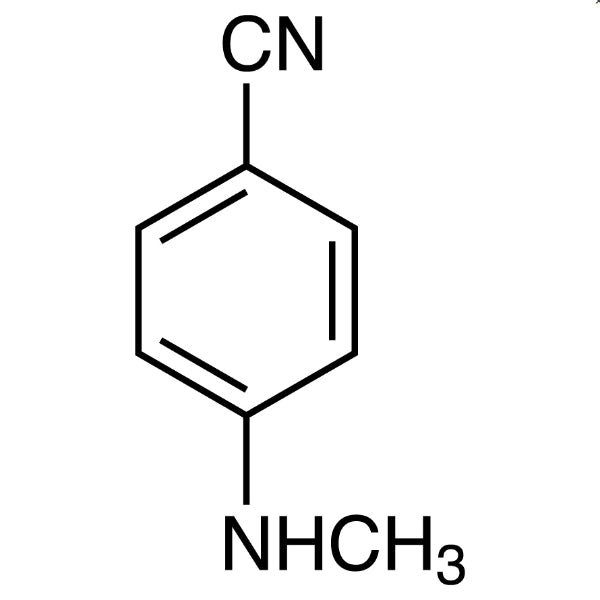
4-(Methylamino)benzonitrile is a chemical compound widely used as a foundational building block in the synthesis of complex organic compounds. Its simple molecular structure plays a crucial role in the development of compounds with specific biological or chemical properties. In the laboratory, it serves as a key component in various chemical reactions, particularly those involving carbon-nitrogen bond formation or substitution reactions. Due to its stability and controlled reactivity, it is a preferred choice for synthetic applications requiring precision and reliability.
This compound is valued for its consistent chemical properties, which make it highly suitable for use in scientific research. Its ability to participate in nucleophilic, electrophilic, and substitution reactions enhances its versatility in synthetic pathways. The predictable behavior of 4-(Methylamino)benzonitrile allows researchers to achieve reproducible results, making it an essential tool in organic chemistry. Its reliability and adaptability contribute to its widespread use in both academic and industrial settings.
In Indonesian laboratories, 4-(Methylamino)benzonitrile is commonly used in chemical, pharmaceutical, and material research. It is a key reagent in the development of new compounds with potential medical or industrial applications. Many educational and research institutions rely on this compound to advance their work in organic synthesis and drug discovery. Its availability and quality ensure that it remains a vital resource for scientific innovation.
- Organic synthesis: This compound is widely used in the synthesis of complex organic molecules due to its ability to form carbon-nitrogen bonds and participate in substitution reactions.
- Pharmaceutical research: It serves as a building block for the development of new drugs and bioactive compounds, supporting medicinal chemistry efforts.
- Material science: Its chemical properties make it useful in the creation of advanced materials with specific functional characteristics.
- Analytical chemistry: It is employed as a standard or reagent in analytical procedures requiring precise chemical reactions and controlled environments.
- Educational research: It is a common reagent in teaching and research settings, helping students and scientists understand synthetic pathways and chemical behavior.
| Brand | TCI |
|---|---|
| CAS number | 4714-62-9 |
| Molecular formula | — |
| Purity | — |
| Category | Chemistry > Building Blocks > Non-Heterocyclic Building Blocks |
| Pack sizes | Available in various quantities as per supplier specifications |
| Physical form | Solid or liquid, depending on the specific product variant |
| Storage | Store in a cool, dry place away from direct sunlight and moisture |
This compound should be stored in a cool, dry environment, away from direct sunlight and moisture to maintain its chemical integrity. It is recommended to use airtight containers to prevent exposure to air and humidity. Proper ventilation is essential when handling this material to minimize inhalation risks. Laboratory personnel should wear appropriate personal protective equipment, including gloves and safety goggles, when working with this compound. It should be kept in a secure location, away from incompatible substances to prevent accidental reactions. Regular monitoring of storage conditions ensures the compound remains stable and suitable for use in research applications.
—
Produk Terkait
-
4,4'-Bis(methylamino)benzophenone TCI B1433
Regular price Rp 3.922.800,00Regular price -
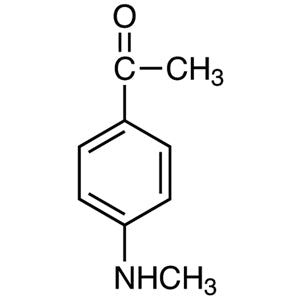
4'-(Methylamino)acetophenone TCI M2958
Regular price Rp 2.094.750,00Regular price -
3-(Methylamino)propionitrile TCI M2312
Regular price From Rp 1.988.700,00Regular price -
1-(Methylamino)anthraquinone TCI M0255
Regular price From Rp 1.670.550,00Regular price -
4-(Methylamino)azobenzene TCI M0143
Regular price Rp 4.028.850,00Regular price -
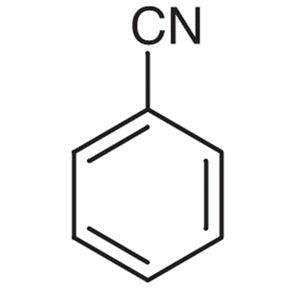
Benzonitrile TCI B0082
Regular price From Rp 530.250,00Regular price -
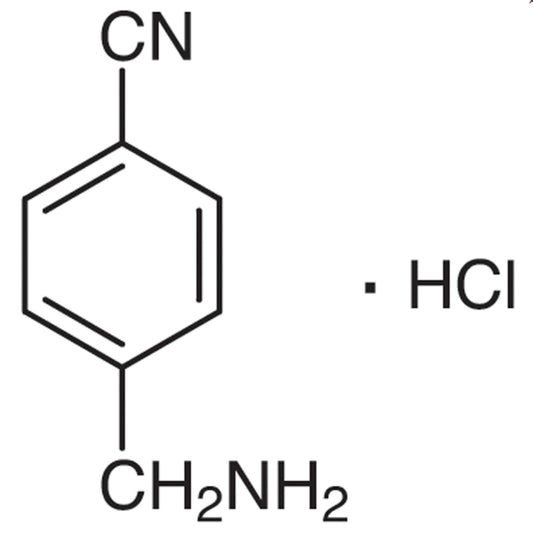
4-(Aminomethyl)benzonitrileHydrochloride TCI A1645
Regular price From Rp 769.650,00Regular price -
4-(1-Piperazinyl)benzonitrile TCI P2449
Regular price From Rp 2.597.700,00Regular price