4-(1-Piperazinyl)benzonitrile is a chemical compound widely used as a building block in the synthesis of complex molecules. This compound plays a crucial role in organic chemistry laboratories, where it serves as a versatile intermediate for the creation of various functional groups. Its unique molecular structure, featuring a piperazine ring linked to a benzonitrile group, makes it a valuable tool for chemists seeking to design and develop new compounds. Due to its chemical stability and reactivity, it is frequently used in the preparation of pharmaceuticals, pesticides, and industrial chemicals.
The compound's chemical properties, such as its ability to participate in nucleophilic, electrophilic, and substitution reactions, make it a preferred choice for synthetic chemists. Its molecular structure allows for easy functionalization, enabling the formation of a wide range of derivatives. This flexibility is particularly important in the development of bioactive compounds, where precise molecular modifications are essential. Additionally, the compound's solubility and reactivity under various reaction conditions contribute to its popularity in both academic and industrial research settings.
In Indonesian laboratories, 4-(1-Piperazinyl)benzonitrile is commonly used in organic chemistry research, especially in pharmacology and the synthesis of complex compounds. Its availability and reliability make it a go-to material for researchers and students engaged in drug discovery, chemical synthesis, and analytical studies. Its role in the development of new bioactive substances underscores its importance in the scientific community.
Related TCI products
- TCI P2448 111373-03-6 2-(1-Piperazinyl)benzonitrile
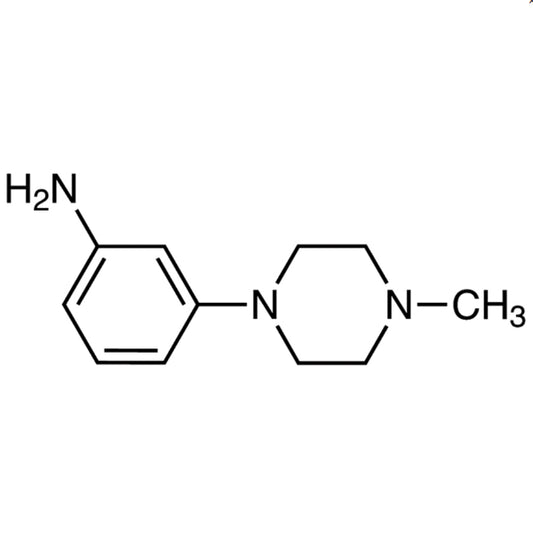
- TCI A2714 148546-99-0 3-(4-Methyl-1-piperazinyl)aniline
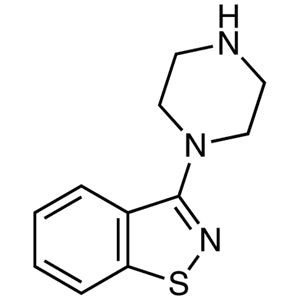
- TCI P2064 87691-87-0 3-(1-Piperazinyl)-1,2-benzisothiazole
- TCI P1890 70918-74-0 2-(1-Piperazinylcarbonyl)-1,4-benzodioxane Hydrochloride
- TCI P1836 70918-00-2 2-(1-Piperazinylcarbonyl)-1,4-benzodioxane
- TCI M2267 86620-62-4 4-(4-Methylpiperazinyl)benzoic Acid
- Organic synthesis is a key application where this compound serves as a versatile intermediate for the creation of complex molecules.
- Pharmaceutical research benefits from its ability to participate in various chemical reactions, aiding in the development of new drugs.
- Pesticide formulation uses this compound as a building block for the synthesis of bioactive compounds with specific insecticidal or herbicidal properties.
- Industrial chemical production relies on its reactivity and stability to create a wide range of functional derivatives.
- Analytical chemistry applications utilize its unique structure for the development of specialized reagents and standards.
| Brand | TCI |
|---|---|
| CAS number | 68104-63-2 |
| Molecular formula | — |
| Purity | — |
| Category | Chemistry > Building Blocks > Non-Heterocyclic Building Blocks |
| Pack sizes | Available in various quantities as per supplier specifications |
| Physical form | Solid, typically in crystalline form |
| Storage | Store in a cool, dry place away from light and moisture |
This compound should be stored in a cool, dry environment, away from direct sunlight and moisture. It is recommended to use airtight containers to prevent exposure to air and humidity, which may affect its stability. Due to its chemical nature, it is important to handle it with appropriate personal protective equipment, such as gloves and safety goggles, to ensure laboratory safety. While it is generally stable under normal storage conditions, it should be kept in a well-ventilated area to minimize any potential risks associated with its chemical reactivity. Proper storage and handling are essential to maintain its integrity and ensure safe use in laboratory settings.
—
Produk Terkait
-
2-(1-Piperazinyl)benzonitrile TCI P2448
Regular price Rp 2.068.500,00Regular price -
3-(4-Methyl-1-piperazinyl)aniline TCI A2714
Regular price From Rp 1.008.000,00Regular price -
3-(1-Piperazinyl)-1,2-benzisothiazole TCI P2064
Regular price From Rp 1.035.300,00Regular price -
2-(1-Piperazinylcarbonyl)-1,4-benzodioxaneHydrochloride TCI P1890
Regular price From Rp 1.538.250,00Regular price -
2-(1-Piperazinylcarbonyl)-1,4-benzodioxane TCI P1836
Regular price Rp 1.405.950,00Regular price -
4-(4-Methylpiperazinyl)benzoicAcid TCI M2267
Regular price From Rp 1.167.600,00Regular price -
4-(4-Methyl-1-piperazinyl)aniline TCI M2154
Regular price From Rp 717.150,00Regular price -
4-(4-Methylpiperazinyl)benzaldehyde TCI M1624
Regular price From Rp 2.518.950,00Regular price