2-(1-Piperazinylcarbonyl)-1,4-benzodioxane Hydrochloride is a chemical compound widely used in organic synthesis reactions. It plays a crucial role in laboratories where researchers aim to develop complex molecules with heterocyclic structures. This compound is a key building block in the synthesis of various pharmaceutical and industrial compounds. Its versatility allows it to be incorporated into a wide range of chemical processes, making it an essential tool for chemists working in both academic and industrial settings.
The compound is valued for its chemical stability and reactivity. It can participate in multiple types of reactions, including substitution, condensation, and coupling reactions. Its molecular structure provides a platform for further functionalization, enabling the creation of more complex molecules. Additionally, its solubility in organic solvents enhances its usability in laboratory applications. These properties make it a preferred choice for researchers seeking reliable and effective chemical intermediates.
In Indonesian laboratories, this compound is commonly used in scientific research and the development of chemical products. It is a staple in research institutions and universities that focus on organic chemistry, pharmacology, and material science. The compound's availability in solid form and its compatibility with various solvents make it practical for use in both small-scale and large-scale experiments. Its role in the synthesis of heterocyclic compounds is particularly significant in the context of drug discovery and advanced material development.
Related TCI products
- TCI P1836 70918-00-2 2-(1-Piperazinylcarbonyl)-1,4-benzodioxane
- TCI B3864 4442-53-9 1,4-Benzodioxane-5-carboxylic Acid
- TCI B3764 4442-54-0 1,4-Benzodioxane-6-carboxylic Acid
- TCI B3406 3663-80-7 1,4-Benzodioxane-2-carboxylic Acid
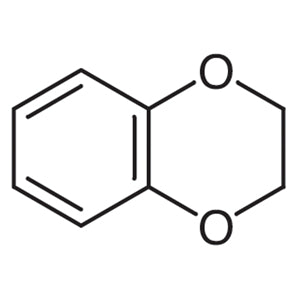
- TCI B1198 493-09-4 1,4-Benzodioxane
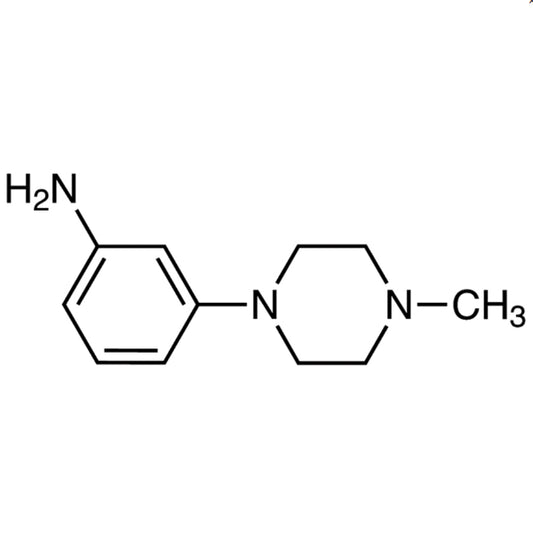
- TCI A2714 148546-99-0 3-(4-Methyl-1-piperazinyl)aniline
- Organic synthesis is a primary application where this compound is used to build complex heterocyclic structures, enabling the development of new pharmaceuticals and materials.
- Pharmaceutical research benefits from this compound's ability to participate in various chemical reactions, aiding in the synthesis of drug candidates with specific molecular frameworks.
- Material science applications leverage its chemical stability and reactivity to create advanced polymers and functional materials with tailored properties.
- Academic research in chemistry utilizes this compound as a key building block for teaching and experimental purposes, supporting both undergraduate and graduate studies.
- Industrial chemical development relies on this compound for the production of specialty chemicals and intermediates used in diverse manufacturing processes.
| Brand | TCI |
|---|---|
| CAS number | 70918-74-0 |
| Molecular formula | — |
| Purity | — |
| Category | Chemistry > Building Blocks > Heterocyclic Building Blocks |
| Pack sizes | Available in various quantities as per standard laboratory supply options |
| Physical form | Solid |
| Storage | Store in a cool, dry place away from moisture and direct sunlight |
This compound should be stored in a cool, dry environment to maintain its chemical stability and prevent degradation. It is recommended to keep it in a sealed container to avoid exposure to moisture and air, which could affect its reactivity. Suitable storage conditions include a controlled room temperature (typically between 15°C and 25°C) with low humidity levels. Laboratory personnel should handle the compound with appropriate personal protective equipment, such as gloves and safety goggles, to ensure safe handling. Proper labeling of storage containers is essential for identifying the compound and ensuring safe access. Regular monitoring of storage conditions helps maintain the integrity of the compound for long-term use in research applications.
—
Product Categories
Produk Terkait
-
2-(1-Piperazinylcarbonyl)-1,4-benzodioxane TCI P1836
Regular price Rp 1.405.950,00Regular price -
1,4-Benzodioxane-5-carboxylicAcid TCI B3864
Regular price From Rp 1.167.600,00Regular price -
1,4-Benzodioxane-6-carboxylicAcid TCI B3764
Regular price From Rp 1.405.950,00Regular price -
1,4-Benzodioxane-2-carboxylicAcid TCI B3406
Regular price From Rp 664.650,00Regular price -
1,4-Benzodioxane TCI B1198
Regular price Rp 1.193.850,00Regular price -
3-(4-Methyl-1-piperazinyl)aniline TCI A2714
Regular price From Rp 1.008.000,00Regular price -
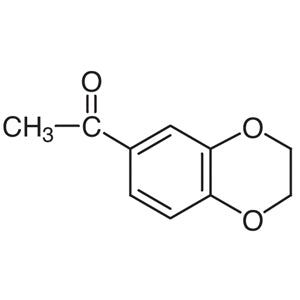
6-Acetyl-1,4-benzodioxane TCI A1629
Regular price Rp 1.220.100,00Regular price -
4-(1-Piperazinyl)benzonitrile TCI P2449
Regular price From Rp 2.597.700,00Regular price