1,4-Benzodioxane-5-carboxylic Acid is a versatile organic compound widely used in laboratory settings for its unique chemical structure and functional groups. It belongs to the class of heterocyclic building blocks, making it an essential component in the synthesis of complex organic molecules. This compound features a benzodioxane ring connected to a carboxylic acid group, which allows it to participate in various chemical reactions such as substitution and bond formation. Its role in the laboratory is primarily as a starting material or intermediate in the development of pharmaceuticals, materials, and other specialty chemicals.
The compound is valued for its chemical stability under controlled conditions, which ensures consistent performance in synthetic processes. However, it is sensitive to high temperatures and exposure to oxidizing agents, requiring careful handling. These properties make it a preferred choice for researchers aiming to produce complex molecular structures without significant degradation. Its solid form and reactivity further enhance its appeal in laboratory applications where precision and reliability are critical.
In Indonesian laboratories, 1,4-Benzodioxane-5-carboxylic Acid is commonly used in organic chemistry research, particularly in the fields of pharmaceutical development and material science. Its ability to serve as a building block for more complex compounds makes it a key reagent in the synthesis of drugs and advanced materials. Its availability and chemical properties make it a valuable resource for scientists working on innovative chemical projects.
Related TCI products
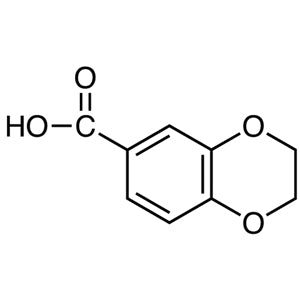
- TCI B3764 4442-54-0 1,4-Benzodioxane-6-carboxylic Acid
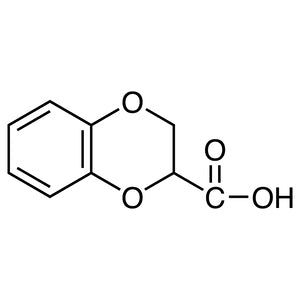
- TCI B3406 3663-80-7 1,4-Benzodioxane-2-carboxylic Acid
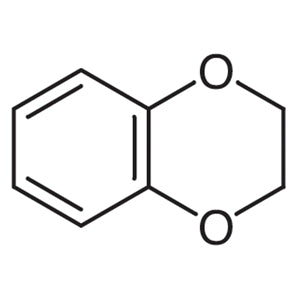
- TCI B1198 493-09-4 1,4-Benzodioxane
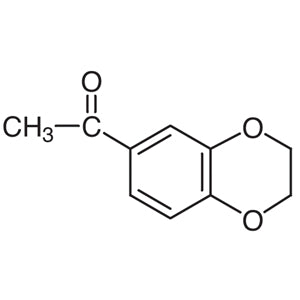
- TCI A1629 2879-20-1 6-Acetyl-1,4-benzodioxane
- TCI P1890 70918-74-0 2-(1-Piperazinylcarbonyl)-1,4-benzodioxane Hydrochloride
- TCI P1836 70918-00-2 2-(1-Piperazinylcarbonyl)-1,4-benzodioxane
- Organic synthesis applications benefit from this compound’s ability to participate in substitution and bond-forming reactions, making it ideal for creating complex molecular structures.
- Pharmaceutical research utilizes this compound as a building block for the development of new drugs, especially in the synthesis of bioactive molecules.
- Material science applications leverage its chemical stability and reactivity to design and synthesize advanced functional materials.
- Chemical research projects often incorporate this compound to explore new synthetic pathways and reaction mechanisms.
- Analytical chemistry uses it as a reference standard for testing and validating synthetic processes and reaction conditions.
| Brand | TCI |
|---|---|
| CAS number | 4442-53-9 |
| Molecular formula | — |
| Purity | — |
| Category | Chemistry > Building Blocks > Heterocyclic Building Blocks |
| Pack sizes | Available in various quantities as per standard laboratory supply |
| Physical form | Solid |
| Storage | Store in a cool, dry place away from light and oxidizing agents |
This compound should be stored in a cool, dry environment to maintain its chemical stability. It is recommended to keep it in a sealed container to prevent exposure to moisture and air. Due to its sensitivity to high temperatures and oxidizing agents, it should be stored away from heat sources and incompatible materials. Proper ventilation is essential when handling the compound to minimize inhalation risks. Laboratory personnel should wear appropriate personal protective equipment, such as gloves and safety goggles, to ensure safe handling. Regular monitoring of storage conditions is advised to maintain the integrity of the compound and ensure its effectiveness in research applications.
—
Produk Terkait
-
1,4-Benzodioxane-6-carboxylicAcid TCI B3764
Regular price From Rp 1.458.450,00Regular priceRp 1.035.300,00Sale price From Rp 1.458.450,00 -
1,4-Benzodioxane-2-carboxylicAcid TCI B3406
Regular price From Rp 717.150,00Regular priceRp 516.600,00Sale price From Rp 717.150,00 -
1,4-Benzodioxane TCI B1198
Regular price Rp 1.246.350,00Regular priceRp 887.250,00Sale price Rp 1.246.350,00 -
6-Acetyl-1,4-benzodioxane TCI A1629
Regular price Rp 1.272.600,00Regular priceRp 905.100,00Sale price Rp 1.272.600,00 -
2-(1-Piperazinylcarbonyl)-1,4-benzodioxaneHydrochloride TCI P1890
Regular price From Rp 1.590.750,00Regular priceRp 1.127.700,00Sale price From Rp 1.590.750,00 -
2-(1-Piperazinylcarbonyl)-1,4-benzodioxane TCI P1836
Regular price Rp 1.458.450,00Regular priceRp 1.035.300,00Sale price Rp 1.458.450,00 -
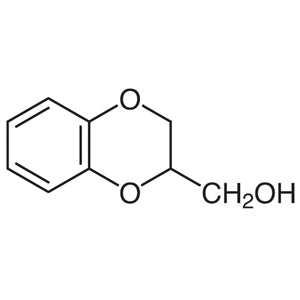
2-Hydroxymethyl-1,4-benzodioxane TCI H0801
Regular price From Rp 1.458.450,00Regular priceRp 1.035.300,00Sale price From Rp 1.458.450,00 -
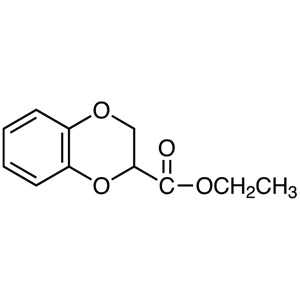
Ethyl1,4-Benzodioxane-2-carboxylate TCI E0902
Regular price From Rp 1.590.750,00Regular priceRp 1.127.700,00Sale price From Rp 1.590.750,00