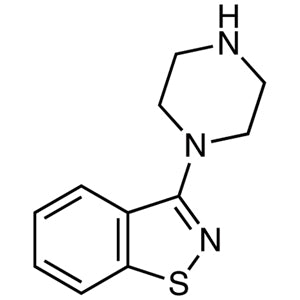
3-(1-Piperazinyl)-1,2-benzisothiazole is a chemical compound widely used in organic synthesis reactions within laboratory settings. As a heterocyclic building block, it plays a crucial role in the development of complex molecular structures. Its unique chemical structure allows it to participate in various synthetic pathways, making it a versatile tool for chemists. This compound is particularly valuable in the creation of bioactive and pharmacologically relevant molecules, which are essential for pharmaceutical and medicinal research.
The compound's heterocyclic nature contributes to its reactivity and stability under controlled conditions. It exhibits a high degree of chemical stability when stored properly, which is vital for maintaining its effectiveness in laboratory applications. Its ability to undergo substitution and condensation reactions makes it a preferred choice for researchers aiming to synthesize new compounds. The compound’s reactivity and structural versatility make it an essential component in advanced chemical research.
In Indonesian laboratories, 3-(1-Piperazinyl)-1,2-benzisothiazole is commonly used in organic chemistry research, especially in pharmacology and the synthesis of new compounds. It is frequently employed in academic and research institutions to support drug discovery and development projects. Its availability and chemical properties make it a popular choice for both educational and industrial research applications.
Related TCI products
- TCI B2430 2634-33-5 1,2-Benzisothiazol-3(2H)-one
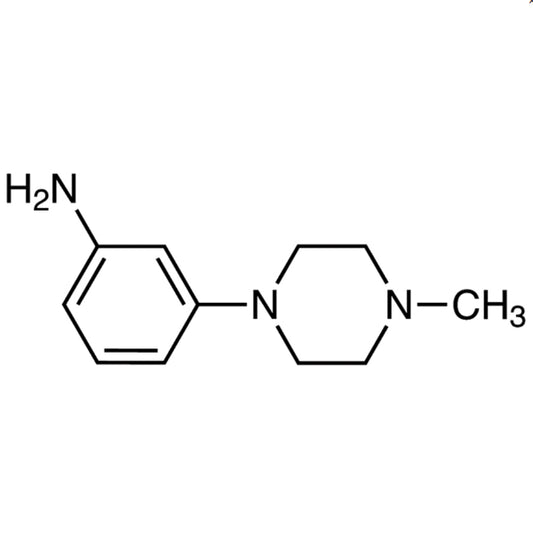
- TCI A2714 148546-99-0 3-(4-Methyl-1-piperazinyl)aniline
- TCI A1562 84387-89-3 3-Amino-5-nitrobenz[d]isothiazole
- TCI P2449 68104-63-2 4-(1-Piperazinyl)benzonitrile
- TCI P2448 111373-03-6 2-(1-Piperazinyl)benzonitrile
- TCI M2154 16153-81-4 4-(4-Methyl-1-piperazinyl)aniline
- Organic synthesis is a key application where this compound is used to create complex molecules with biological activity.
- Pharmaceutical research benefits from its ability to form new compounds through substitution and condensation reactions.
- Drug development projects often utilize this compound to design molecules with targeted pharmacological effects.
- Academic research in chemistry relies on its structural versatility for exploring new synthetic pathways.
- Bioactive compound synthesis is enhanced by its reactivity and compatibility with various reaction conditions.
| Brand | TCI |
|---|---|
| CAS number | 87691-87-0 |
| Molecular formula | — |
| Purity | — |
| Category | Chemistry > Building Blocks > Heterocyclic Building Blocks |
| Pack sizes | — |
| Physical form | — |
| Storage | Requires controlled temperature and proper environmental conditions |
This compound should be stored in a cool, dry place away from direct sunlight and sources of heat. It is recommended to use airtight containers to prevent moisture absorption and contamination. Due to its chemical nature, it should be handled in a well-ventilated area to minimize exposure. Proper personal protective equipment, such as gloves and safety goggles, should be worn during handling. The compound should be kept in a secure location to prevent accidental spills or exposure. Regular monitoring of storage conditions ensures the compound remains stable and effective for laboratory use.
—
Produk Terkait
-
1,2-Benzisothiazol-3(2H)-one TCI B2430
Regular price From Rp 1.485.750,00Regular price -
3-(4-Methyl-1-piperazinyl)aniline TCI A2714
Regular price From Rp 1.008.000,00Regular price -
3-Amino-5-nitrobenz[d]isothiazole TCI A1562
Regular price Rp 1.220.100,00Regular price -
4-(1-Piperazinyl)benzonitrile TCI P2449
Regular price From Rp 2.597.700,00Regular price -
2-(1-Piperazinyl)benzonitrile TCI P2448
Regular price Rp 2.068.500,00Regular price -
4-(4-Methyl-1-piperazinyl)aniline TCI M2154
Regular price From Rp 717.150,00Regular price -
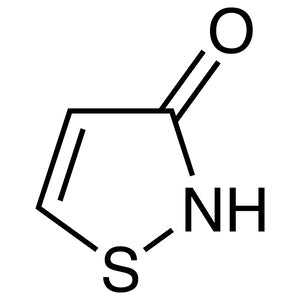
Isothiazol-3(2H)-one TCI I1172
Regular price Rp 6.201.300,00Regular price -
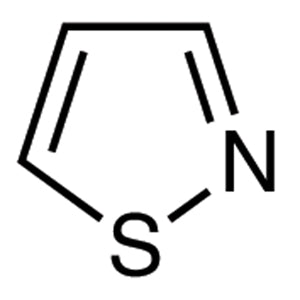
Isothiazole TCI I0982
Regular price From Rp 1.060.500,00Regular price


![84387-89-3 3-Amino-5-nitrobenz[d]isothiazole - AMI Scientific](http://amiscientific.com/cdn/shop/files/TCI2510A1562.jpg?v=1767081675&width=533)