1,2-Benzisothiazol-3(2H)-one is a chemical compound classified under the heterocyclic category, widely used in organic chemistry for the synthesis of complex molecules. Its unique molecular structure enables participation in various chemical reactions, including substitution and cyclization, making it a versatile building block in laboratory settings. This compound is essential for constructing more intricate molecular frameworks, supporting both research and product development initiatives. Its role in the laboratory is critical for advancing chemical innovation and understanding molecular behavior.
The compound is valued for its chemical stability and reactivity. It maintains structural integrity during chemical reactions, reducing the risk of degradation. Its high reactivity makes it suitable for the synthesis of bioactive compounds, contributing to pharmaceutical and material science research. Additionally, it exhibits relatively low toxicity, ensuring safer handling in laboratory environments. These properties make it a preferred choice for chemists seeking reliable and effective building blocks for their experiments.
In Indonesian laboratories, 1,2-Benzisothiazol-3(2H)-one is commonly used in organic chemistry research, especially in pharmaceutical and material development projects. Its availability and consistent quality make it a go-to compound for researchers aiming to explore new chemical pathways. Its application supports the development of advanced materials and drug compounds, reinforcing its importance in the scientific community.
TCI brochures (PDF)
- Agrochemical Ingredients for Research and Experimental Use 2026-01-08 · p. 4
- Plant Research Reagents 2026-02-24 · p. 11
- Organic synthesis applications benefit from this compound's ability to participate in substitution and cyclization reactions, enabling the creation of complex molecular structures.
- Pharmaceutical research utilizes its reactivity to develop bioactive compounds, supporting drug discovery and formulation processes.
- Material science projects leverage its stability and versatility for the synthesis of advanced polymers and functional materials.
- Analytical chemistry experiments use it as a reference standard for identifying and quantifying heterocyclic compounds in various samples.
- Educational institutions incorporate it into teaching labs to demonstrate the principles of heterocyclic chemistry and molecular synthesis techniques.
| Brand | TCI |
|---|---|
| CAS number | 2634-33-5 |
| Molecular formula | — |
| Purity | — |
| Category | Chemistry > Building Blocks > Heterocyclic Building Blocks |
| Pack sizes | Available in various quantities as per standard laboratory supply options |
| Physical form | Solid, typically in crystalline or powder form |
| Storage | Store in a cool, dry place away from direct light and moisture |
This compound should be stored in a cool, dry environment, away from direct sunlight and moisture to maintain its chemical stability. It is recommended to use airtight containers to prevent exposure to air and humidity, which could affect its integrity. Due to its reactivity, it should be handled with care using appropriate personal protective equipment such as gloves and safety goggles. It is advisable to store it in a well-ventilated area to minimize any potential risks associated with its chemical properties. Proper labeling of storage containers is essential to ensure safe handling and prevent accidental exposure. General laboratory precautions include following standard safety protocols when working with chemical compounds to ensure a safe and controlled environment.
—
Product Categories
Produk Terkait
-
3-Amino-5-nitrobenz[d]isothiazole TCI A1562
Regular price Rp 1.272.600,00Regular priceRp 905.100,00Sale price Rp 1.272.600,00 -
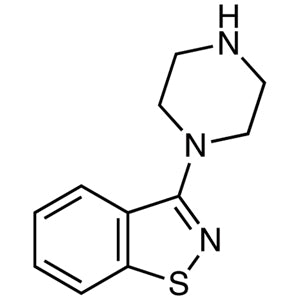
3-(1-Piperazinyl)-1,2-benzisothiazole TCI P2064
Regular price From Rp 1.087.800,00Regular priceRp 775.950,00Sale price From Rp 1.087.800,00 -
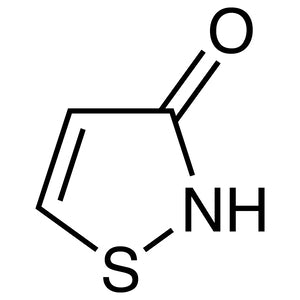
Isothiazol-3(2H)-one TCI I1172
Regular price Rp 6.253.800,00Regular priceRp 4.389.000,00Sale price Rp 6.253.800,00 -
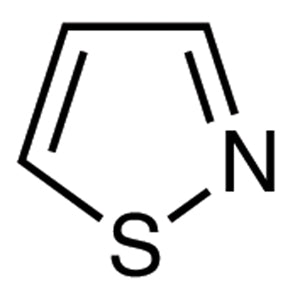
Isothiazole TCI I0982
Regular price From Rp 1.113.000,00Regular priceRp 793.800,00Sale price From Rp 1.113.000,00 -
2,1,3-Benzothiadiazole TCI B0921
Regular price From Rp 1.192.800,00Regular priceRp 849.450,00Sale price From Rp 1.192.800,00 -
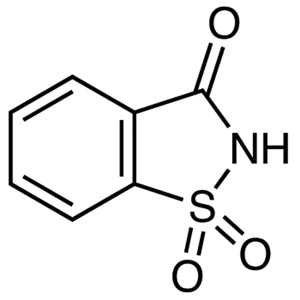
o-Sulfobenzimide TCI B0004
Regular price From Rp 582.750,00Regular priceRp 423.150,00Sale price From Rp 582.750,00 -
Amicarbazone TCI A3521
Regular price From Rp 3.392.550,00Regular priceRp 2.387.700,00Sale price From Rp 3.392.550,00 -
5-(4-Chlorobenzyl)-2,2-dimethyl-1-[(1H-1,2,4-triazol-1-yl)methyl]cyclopentanol TCI M3246
Regular price From Rp 530.250,00Regular priceRp 386.400,00Sale price From Rp 530.250,00