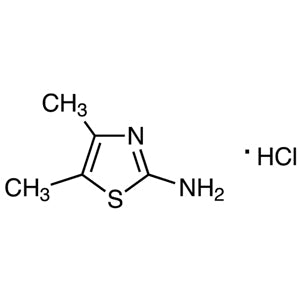
3-Amino-5-nitrobenz[d]isothiazole is a chemical compound that belongs to the category of heterocyclic building blocks. This compound is widely used in the synthesis of complex molecules with heterocyclic structures, such as pharmaceuticals, pesticides, and industrial chemicals. Its unique molecular framework, featuring an isothiazol ring substituted with amino and nitro groups, makes it a valuable resource in organic chemistry laboratories. The compound serves as a key intermediate in the development of compounds with specific biological activities, contributing to the advancement of drug discovery and chemical synthesis.
The compound’s complex structure and high reactivity make it a preferred choice for researchers. It exhibits the ability to react with various functional groups, enabling the synthesis of a wide range of derivatives. Its reactivity allows it to participate in multiple reaction types, including substitution, reduction, and oxidation, making it versatile for different synthetic strategies. This adaptability is particularly beneficial in the design of new compounds with tailored properties for specific applications.
In Indonesian laboratories, 3-Amino-5-nitrobenz[d]isothiazole is commonly used in organic chemistry research, especially in pharmacology and the synthesis of active compounds. Local researchers frequently utilize this compound to develop new substances with potential therapeutic or industrial applications. Its role in creating complex molecular structures supports innovation in both academic and industrial research settings.
Related TCI products
- Organic synthesis of heterocyclic compounds due to its reactive isothiazol ring and substituents.
- Development of pharmaceuticals and pesticides through its ability to form diverse functional derivatives.
- Research in medicinal chemistry for the design of bioactive molecules with specific therapeutic targets.
- Industrial chemical synthesis where heterocyclic structures are essential for product functionality.
- Academic studies in chemical reactivity and structural modification of nitrogen-containing compounds.
| Brand | TCI |
|---|---|
| CAS number | 84387-89-3 |
| Molecular formula | — |
| Purity | — |
| Category | Chemistry > Building Blocks > Heterocyclic Building Blocks |
| Pack sizes | Available in standard laboratory quantities as per supplier specifications |
| Physical form | Solid (as per typical chemical compound presentation) |
| Storage | Store in a cool, dry place away from light and incompatible materials |
This compound should be stored in a cool, dry environment, away from direct sunlight and sources of heat. It is recommended to use airtight containers made of materials that are chemically inert, such as glass or high-density polyethylene, to prevent contamination and degradation. Due to its reactivity, it should be handled with appropriate personal protective equipment, including gloves and safety goggles. Storage should be in a location that is inaccessible to children and unauthorized personnel. It is important to ensure that the compound is kept separate from strong oxidizing or reducing agents to avoid potential chemical interactions. Regular monitoring of storage conditions is advised to maintain the integrity and safety of the compound in the laboratory setting.
—
Produk Terkait
-
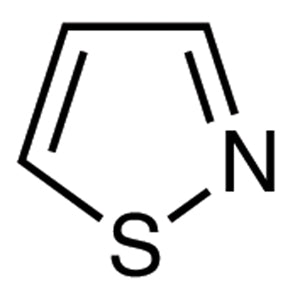
Isothiazole TCI I0982
Regular price From Rp 1.113.000,00Regular priceRp 793.800,00Sale price From Rp 1.113.000,00 -
1,2-Benzisothiazol-3(2H)-one TCI B2430
Regular price From Rp 1.538.250,00Regular priceRp 1.090.950,00Sale price From Rp 1.538.250,00 -
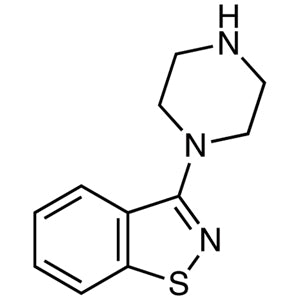
3-(1-Piperazinyl)-1,2-benzisothiazole TCI P2064
Regular price From Rp 1.087.800,00Regular priceRp 775.950,00Sale price From Rp 1.087.800,00 -
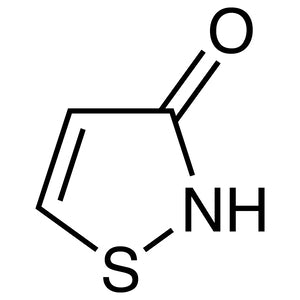
Isothiazol-3(2H)-one TCI I1172
Regular price Rp 6.253.800,00Regular priceRp 4.389.000,00Sale price Rp 6.253.800,00 -
2-Butylbenzo[d]isothiazol-3(2H)-one TCI B6021
Regular price From Rp 3.735.900,00Regular priceRp 2.628.150,00Sale price From Rp 3.735.900,00 -
4,5-Dichloro-2-n-octyl-4-isothiazolin-3-one TCI D4157
Regular price Rp 2.677.500,00Regular priceRp 1.887.900,00Sale price Rp 2.677.500,00 -
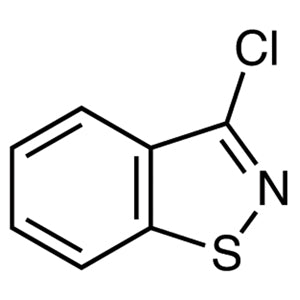
3-Chloro-1,2-benzisothiazole TCI C1991
Regular price Rp 1.881.600,00Regular priceRp 1.331.400,00Sale price Rp 1.881.600,00 -
2-Amino-4,5-dimethylthiazoleHydrochloride TCI A0292
Regular price From Rp 557.550,00Regular priceRp 405.300,00Sale price From Rp 557.550,00