

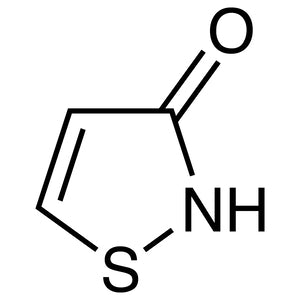
Isothiazol-3(2H)-one is a chemical compound with a heterocyclic structure containing one nitrogen and one sulfur atom. It serves as a fundamental building block in organic chemistry, playing a crucial role in the synthesis of complex organic molecules. This compound is widely used in both organic chemistry and pharmacology, where it acts as a versatile intermediate in various chemical reactions. Its presence in the laboratory allows researchers to explore new synthetic pathways and develop compounds with potential pharmaceutical applications.
The compound's unique chemical structure provides it with high reactivity, making it suitable for substitution and cyclization reactions. Its ability to react with a variety of reagents such as acids, bases, and organic solvents enhances its utility in synthetic chemistry. The stability of isothiazol-3(2H)-one under certain conditions ensures that it remains a reliable material for laboratory use. This stability, combined with its reactivity, makes it an essential tool for researchers working on complex molecular structures.
In Indonesian laboratories, isothiazol-3(2H)-one is commonly used in both fundamental and applied chemical research. It is a key component in the synthesis of bioactive compounds and is frequently employed in academic and industrial settings. Many research institutions and universities in Indonesia rely on this compound for experimental work, particularly in the development of new drugs and chemical materials. Its versatility and chemical properties make it a preferred choice for a wide range of applications.
Related TCI products
- TCI B6021 4299-07-4 2-Butylbenzo[d]isothiazol-3(2H)-one
- TCI B2430 2634-33-5 1,2-Benzisothiazol-3(2H)-one
- TCI A1562 84387-89-3 3-Amino-5-nitrobenz[d]isothiazole
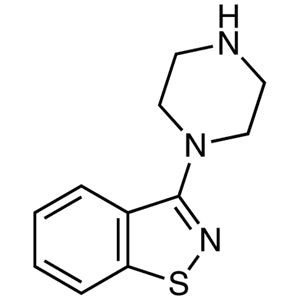
- TCI P2064 87691-87-0 3-(1-Piperazinyl)-1,2-benzisothiazole
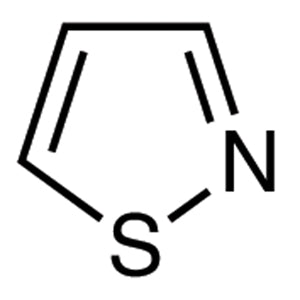
- TCI I0982 288-16-4 Isothiazole
- TCI D4157 64359-81-5 4,5-Dichloro-2-n-octyl-4-isothiazolin-3-one
- Organic synthesis applications benefit from isothiazol-3(2H)-one due to its ability to participate in various chemical reactions, making it ideal for creating complex molecular structures.
- Pharmaceutical research utilizes this compound as a building block for the development of new drugs, leveraging its reactivity and structural versatility.
- Analytical chemistry laboratories use isothiazol-3(2H)-one as a standard reference material for testing and calibrating analytical instruments.
- Industrial chemical production incorporates this compound in the manufacturing of specialty chemicals and materials due to its stability and reactivity.
- Academic research institutions employ isothiazol-3(2H)-one in teaching and experimental studies to demonstrate fundamental chemical principles and synthetic methodologies.
| Brand | TCI |
|---|---|
| CAS number | 1003-07-2 |
| Molecular formula | — |
| Purity | — |
| Category | Chemistry > Building Blocks > Heterocyclic Building Blocks |
| Pack sizes | Available in various quantities as per supplier specifications |
| Physical form | Solid, crystalline or powder depending on the batch |
| Storage | Store in a cool, dry place away from moisture and direct sunlight |
Isothiazol-3(2H)-one should be stored in a cool, dry environment to maintain its chemical stability. It is recommended to keep the compound in airtight containers to prevent exposure to moisture and air, which could affect its reactivity. Laboratory personnel should handle the compound with care, using appropriate personal protective equipment such as gloves and safety goggles. Due to its potential reactivity with acids and bases, it should be stored separately from incompatible substances. Proper labeling of storage containers is essential to ensure safe handling and prevent accidental exposure. Regular inspection of storage conditions is advised to maintain the integrity of the compound throughout its shelf life.
—
Produk Terkait
-
2-Butylbenzo[d]isothiazol-3(2H)-one TCI B6021
Regular price From Rp 3.683.400,00Regular price -
1,2-Benzisothiazol-3(2H)-one TCI B2430
Regular price From Rp 1.485.750,00Regular price -
3-Amino-5-nitrobenz[d]isothiazole TCI A1562
Regular price Rp 1.220.100,00Regular price -
3-(1-Piperazinyl)-1,2-benzisothiazole TCI P2064
Regular price From Rp 1.035.300,00Regular price -
Isothiazole TCI I0982
Regular price From Rp 1.060.500,00Regular price -
4,5-Dichloro-2-n-octyl-4-isothiazolin-3-one TCI D4157
Regular price Rp 2.625.000,00Regular price -
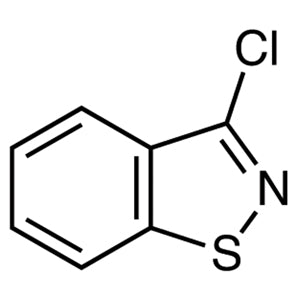
3-Chloro-1,2-benzisothiazole TCI C1991
Regular price Rp 1.829.100,00Regular price -
1,2-Benzisothiazol-3(2H)-one[forBiochemicalResearch] TCI B3767
Regular price Rp 955.500,00Regular price
![2-Butylbenzo[d]isothiazol-3(2H)-one (CAS 4299-07-4) - TCI B6021 - AMI Scientific](http://amiscientific.com/cdn/shop/files/TCI2510B6021_71aa31ca-701d-4f6c-bab8-9c2b80b8c20b.jpg?v=1767864237&width=533)

![84387-89-3 3-Amino-5-nitrobenz[d]isothiazole - AMI Scientific](http://amiscientific.com/cdn/shop/files/TCI2510A1562.jpg?v=1767081675&width=533)

![2634-33-5 1,2-Benzisothiazol-3(2H)-one [for Biochemical Research] - AMI Scientific](http://amiscientific.com/cdn/shop/files/TCI2510B3767.jpg?v=1767090320&width=533)