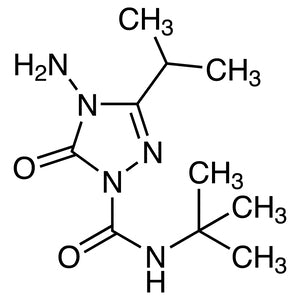
O-Sulfobenzimide (TCI B0004), with CAS number 81-07-2, is a chemical compound widely used in laboratory settings for its role in the synthesis of heterocyclic compounds. This compound is a key building block in organic chemistry, particularly in the formation of complex ring structures. Its molecular structure allows it to participate in various chemical reactions, making it an essential reagent for researchers working on the development of new pharmaceuticals and materials. Due to its versatility, o-sulfobenzimide is frequently utilized in both academic and industrial research environments.
One of the main reasons o-sulfobenzimide is preferred is its chemical stability and high reactivity. These properties enable efficient chemical reactions, especially in substitution and ring-forming processes. The compound is also soluble in common organic solvents such as ethyl acetate and acetone, which simplifies its handling and integration into reaction mixtures. Its solubility and reactivity make it a reliable choice for chemists aiming to produce heterocyclic compounds with specific functional groups.
In Indonesian laboratories, o-sulfobenzimide is commonly used in organic chemistry research, particularly in pharmaceutical and material science applications. It is a staple in research facilities focused on the development of new compounds and the study of heterocyclic structures. Its availability and effectiveness have made it a go-to reagent for many scientists in the region, supporting both fundamental and applied research efforts.
TCI brochures (PDF)
- Plant Hormones 2025-01-30 · p. 1
- Agrochemical Ingredients for Research and Experimental Use 2026-01-08 · p. 8
- Plant Research Reagents 2026-02-24 · p. 14
- Reagents for Biological Research 2025-03-11 · p. 55
Related TCI products
- TCI B2430 2634-33-5 1,2-Benzisothiazol-3(2H)-one
- TCI B0921 273-13-2 2,1,3-Benzothiadiazole
- TCI A3521 129909-90-6 Amicarbazone
- TCI M3246 125116-23-6 5-(4-Chlorobenzyl)-2,2-dimethyl-1-[(1H-1,2,4-triazol-1-yl)methyl]cyclopentanol
- TCI M2388 41394-05-2 Metamitron
- TCI H1348 10004-44-1 3-Hydroxy-5-methylisoxazole
- Organic synthesis of heterocyclic compounds such as thiazoles and thiozoles due to its ability to participate in ring-forming reactions.
- Development of pharmaceutical compounds where heterocyclic structures are essential for biological activity and molecular stability.
- Research in material science for the creation of new polymers and functional materials requiring complex molecular architectures.
- Analytical chemistry applications where the compound serves as a reference standard or reagent in spectroscopic and chromatographic analyses.
- Teaching and educational purposes in chemistry laboratories to demonstrate the synthesis and reactivity of heterocyclic building blocks.
| Brand | TCI |
|---|---|
| CAS number | 81-07-2 |
| Molecular formula | — |
| Purity | — |
| Category | Chemistry > Building Blocks > Heterocyclic Building Blocks |
| Pack sizes | Available in various quantities as per supplier specifications |
| Physical form | Solid powder |
| Storage | Store in a cool, dry place away from light and moisture |
O-sulfobenzimide should be stored in a cool, dry environment, away from direct sunlight and moisture to maintain its chemical stability. It is recommended to use airtight containers made of glass or polyethylene to prevent contamination and degradation. Due to its reactivity, it should be handled with care, using appropriate personal protective equipment such as gloves and safety goggles. In laboratory settings, it is important to ensure proper ventilation and avoid exposure to incompatible substances. Regular monitoring of storage conditions is advised to ensure the compound remains in optimal condition for use in chemical reactions and research applications.
—
Product Categories
Produk Terkait
-
1,2-Benzisothiazol-3(2H)-one TCI B2430
Regular price From Rp 1.538.250,00Regular priceRp 1.090.950,00Sale price From Rp 1.538.250,00 -
2,1,3-Benzothiadiazole TCI B0921
Regular price From Rp 1.192.800,00Regular priceRp 849.450,00Sale price From Rp 1.192.800,00 -
Amicarbazone TCI A3521
Regular price From Rp 3.392.550,00Regular priceRp 2.387.700,00Sale price From Rp 3.392.550,00 -
5-(4-Chlorobenzyl)-2,2-dimethyl-1-[(1H-1,2,4-triazol-1-yl)methyl]cyclopentanol TCI M3246
Regular price From Rp 530.250,00Regular priceRp 386.400,00Sale price From Rp 530.250,00 -
Metamitron TCI M2388
Regular price From Rp 1.538.250,00Regular priceRp 1.090.950,00Sale price From Rp 1.538.250,00 -
3-Hydroxy-5-methylisoxazole TCI H1348
Regular price From Rp 1.749.300,00Regular priceRp 1.239.000,00Sale price From Rp 1.749.300,00 -
o-SulfobenzimideSodiumSaltDihydrate TCI B0131
Regular price From Rp 530.250,00Regular priceRp 386.400,00Sale price From Rp 530.250,00 -
N6-Benzyladenine TCI B1088
Regular price From Rp 955.500,00Regular priceRp 683.550,00Sale price From Rp 955.500,00