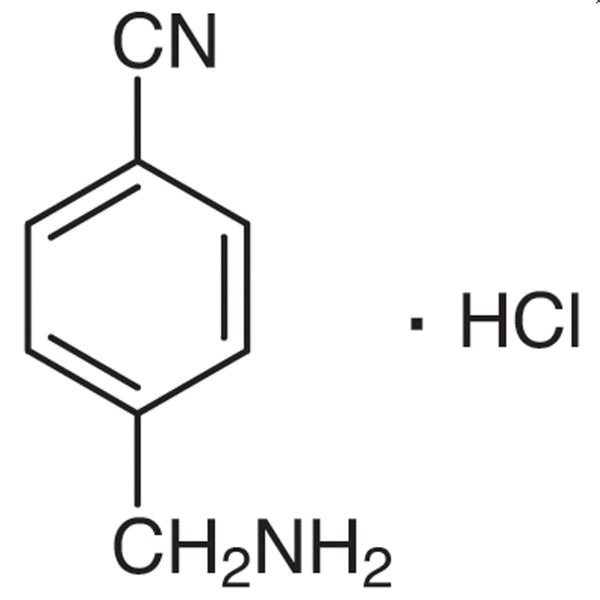
4-(Aminomethyl)benzonitrile Hydrochloride is a chemical compound widely used in organic synthesis as a fundamental building block. It plays a crucial role in the development of complex organic molecules, particularly in laboratories focused on medicinal chemistry and pharmaceutical research. Its unique structure, combining a benzene ring with a nitrile group and an amino methyl group, allows it to participate in various chemical reactions, making it a versatile reagent. This compound is essential for creating compounds with specific biological activities, contributing to the discovery of new drugs and therapeutic agents.
The compound is valued for its stability and reactivity, which make it a preferred choice in chemical reactions such as substitution, condensation, and nucleophilic reactions. Its ability to interact with both amine and nitrile groups enhances its utility in synthetic pathways. Additionally, its solubility in common organic solvents like ethyl acetate and acetone facilitates its use in purification and reaction processes. These properties ensure that it remains a reliable and efficient reagent in modern laboratory settings.
In Indonesian laboratories, 4-(Aminomethyl)benzonitrile Hydrochloride is commonly used in research and development activities. It is a key component in the synthesis of various organic compounds, particularly those with pharmaceutical and industrial applications. Its availability and chemical properties make it a go-to material for chemists and researchers working on complex molecular structures. Its reliability and consistent performance support the accuracy and reproducibility of experimental results.
Related TCI products
- TCI B5147 10029-07-9 trans-1,4-Bis(aminomethyl)cyclohexane
- TCI B5146 10029-09-1 cis-1,4-Bis(aminomethyl)cyclohexane
- TCI B3480 16114-05-9 N,N'-Bis(dimethylaminomethylene)hydrazine
- TCI B3253 27687-14-5 trans-4-(tert-Butoxycarbonylaminomethyl)cyclohexanecarboxylic Acid
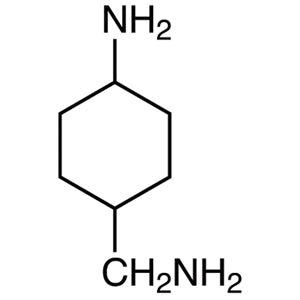
- TCI A3258 13338-82-4 4-(Aminomethyl)cyclohexanamine (cis- and trans- mixture)
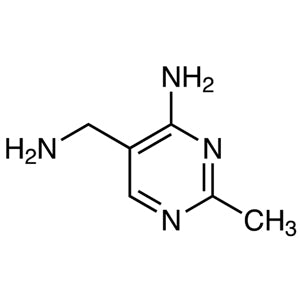
- TCI A2633 95-02-3 4-Amino-5-aminomethyl-2-methylpyrimidine
- Medicinal Chemistry Research: This compound is widely used in the synthesis of bioactive molecules due to its ability to participate in nucleophilic and condensation reactions, enabling the creation of complex structures with therapeutic potential.
- Organic Synthesis: Its reactivity and structural versatility make it an ideal building block for the synthesis of various organic compounds, especially in the development of new pharmaceuticals and industrial chemicals.
- Drug Discovery Programs: The compound's role in creating molecules with specific biological activities supports its use in drug discovery, where it helps in the design of compounds targeting specific enzymes or receptors.
- Analytical Chemistry: Its stability and solubility in organic solvents make it suitable for use in analytical procedures, including chromatographic and spectroscopic analyses.
- Industrial Chemical Production: Its chemical properties make it a valuable reagent in the production of specialty chemicals and intermediates used in various industrial applications.
| Brand | TCI |
|---|---|
| CAS number | 15996-76-6 |
| Molecular formula | — |
| Purity | — |
| Category | Chemistry > Building Blocks > Non-Heterocyclic Building Blocks |
| Pack sizes | Available in various quantities as per standard laboratory supply |
| Physical form | Solid, typically in crystalline or powder form |
| Storage | Store in a cool, dry place away from moisture and direct sunlight |
This compound should be stored in a cool, dry environment to maintain its chemical integrity and stability. It is recommended to use airtight containers to prevent exposure to moisture and air, which could affect its reactivity. Due to its chemical nature, it should be handled with appropriate personal protective equipment, such as gloves and safety goggles, to ensure laboratory safety. Proper ventilation is essential when working with this compound to minimize inhalation risks. It should not be stored near incompatible substances, such as strong oxidizers or acids, to avoid potential chemical interactions. Regular monitoring of storage conditions ensures the compound remains suitable for use in laboratory applications.
—
Produk Terkait
-
trans-1,4-Bis(aminomethyl)cyclohexane TCI B5147
Regular price From Rp 7.314.300,00Regular price -
cis-1,4-Bis(aminomethyl)cyclohexane TCI B5146
Regular price From Rp 8.215.200,00Regular price -
N,N'-Bis(dimethylaminomethylene)hydrazine TCI B3480
Regular price From Rp 3.367.350,00Regular price -
trans-4-(tert-Butoxycarbonylaminomethyl)cyclohexanecarboxylicAcid TCI B3253
Regular price From Rp 1.510.950,00Regular price -
4-(Aminomethyl)cyclohexanamine(cis-andtrans-mixture) TCI A3258
Regular price From Rp 2.916.900,00Regular price -
4-Amino-5-aminomethyl-2-methylpyrimidine TCI A2633
Regular price Rp 4.743.900,00Regular price -
4-Aminomethyltetrahydropyran TCI A2550
Regular price From Rp 1.298.850,00Regular price -
3-(Methylaminomethyl)benzonitrile TCI M2869
Regular price From Rp 1.881.600,00Regular price