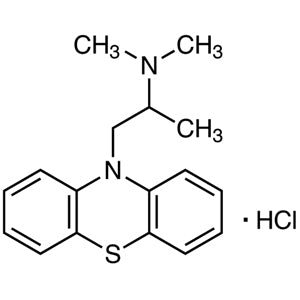
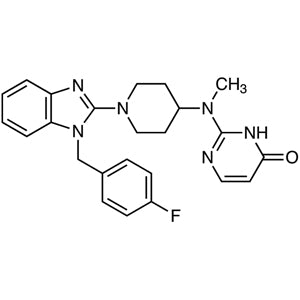
Alimemazine Tartrate TCI A2813 is a chemical compound widely used in pharmaceutical research and biochemical studies. This compound is derived from alimemazine, an antipsychotic drug used to treat symptoms of mental disorders such as schizophrenia and anxiety. In the laboratory, it serves as a key reagent for experimental investigations into pharmacological effects, drug mechanisms, and interactions. Its presence in research settings supports the development of new therapeutic approaches and the understanding of existing treatments.
Alimemazine Tartrate is valued for its chemical stability and solubility in specific organic solvents, which facilitates its use in various experimental procedures. These properties make it a reliable choice for researchers aiming to conduct reproducible and accurate experiments. Additionally, its specific molecular structure allows for in-depth studies on neuropharmacological and psychotropic effects. The compound’s consistent quality and availability in different packaging options further enhance its utility in laboratory environments.
In Indonesian laboratories, Alimemazine Tartrate TCI A2813 is commonly used in pharmacological and pharmacodynamic research. It plays a role in the development of new drugs and the analysis of drug side effects. Its application supports both academic and industrial research, contributing to advancements in mental health treatment and drug discovery. The compound’s reliability and versatility make it a preferred choice for researchers in the region.
TCI brochures (PDF)
- Immune System, Inflammation, Allergy Research Reagents 2025-05-26 · p. 4
- Immunology Research Reagents 2026-06-03 · p. 6
- Pharmaceutical Ingredients for Research and Experimental Use 2026-03-09 · p. 35
- Reagents for Biological Research 2025-03-11 · p. 46
- Pharmacological research utilizes Alimemazine Tartrate to study drug mechanisms and therapeutic effects in neurological disorders.
- Biochemical experiments often employ this compound to investigate its interaction with neurotransmitter systems and receptor binding.
- Drug development projects benefit from its use in assessing the efficacy and safety of new compounds in preclinical trials.
- Neuropharmacological studies rely on this reagent to explore its impact on brain function and behavior in experimental models.
- Toxicology research incorporates Alimemazine Tartrate to evaluate potential side effects and long-term impacts of antipsychotic drugs.
| Brand | TCI |
|---|---|
| CAS number | 4330-99-8 |
| Molecular formula | — |
| Purity | — |
| Category | Life Science > Biochemicals and Reagents > Pharmaceutical Research Reagents |
| Pack sizes | Available in various sizes to meet different experimental needs |
| Physical form | Solid powder |
| Storage | Store in a cool, dry place away from direct sunlight |
Alimemazine Tartrate should be stored in a cool, dry environment to maintain its chemical stability. It is recommended to keep the compound in a tightly sealed container to prevent moisture absorption and contamination. Due to its organic nature, it is best stored in glass or plastic containers that are resistant to chemical reactions. Avoid exposure to direct sunlight and high humidity to ensure optimal preservation. In laboratory settings, proper labeling and safe handling practices are essential to prevent accidental use or spillage. Always follow standard safety protocols when working with this compound to ensure a secure and efficient research environment.
—
Product Categories
- Biochemicals and ReagentsPharmaceutical Research Reagents (for Experimental Use)Anti-allergic Ingredients (for Research and Experimental Use)
- Cell BiologyImmune System, Inflammation, Allergy ResearchHistamine Receptor Antagonists
- Pharmaceutical Development and Drug Discovery ResearchPharmaceutical Research Reagents (for Experimental Use)Anti-allergic Ingredients (for Research and Experimental Use)
Produk Terkait
-
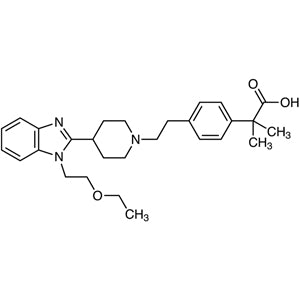
Bilastine TCI B5392
Regular price From Rp 6.811.350,00Regular priceRp 4.778.550,00Sale price From Rp 6.811.350,00 -
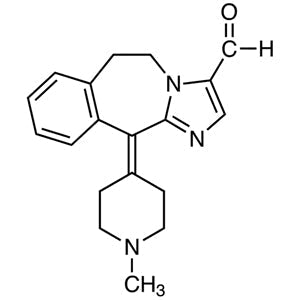
Alcaftadine TCI A3237
Regular price Rp 3.949.050,00Regular priceRp 2.777.250,00Sale price Rp 3.949.050,00 -
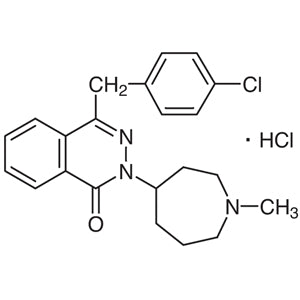
AzelastineHydrochloride TCI A2340
Regular price From Rp 1.405.950,00Regular priceRp 998.550,00Sale price From Rp 1.405.950,00 -
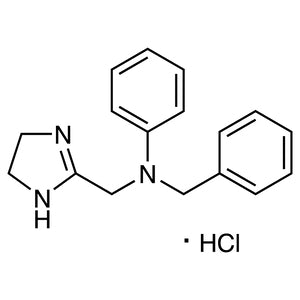
AntazolineHydrochloride TCI A2132
Regular price Rp 3.683.400,00Regular priceRp 2.591.400,00Sale price Rp 3.683.400,00 -
PromethazineHydrochloride TCI P2029
Regular price From Rp 1.563.450,00Regular priceRp 1.108.800,00Sale price From Rp 1.563.450,00 -
OlopatadineHydrochloride TCI O0361
Regular price Rp 10.758.300,00Regular priceRp 7.539.000,00Sale price Rp 10.758.300,00 -
Mequitazine TCI M2807
Regular price From Rp 742.350,00Regular priceRp 534.450,00Sale price From Rp 742.350,00 -
Mizolastine TCI M2756
Regular price Rp 3.472.350,00Regular priceRp 2.443.350,00Sale price Rp 3.472.350,00