Azelastine Hydrochloride is a chemical compound widely used in pharmacological and biochemical research. It serves as a key reagent in experimental studies, particularly in the investigation of allergic reactions, nervous system functions, and drug development. This compound is essential for understanding the mechanisms of various diseases and assessing the efficacy of pharmaceutical compounds. Its dual activity as an antihistamine and anticholinesterase makes it a versatile tool in laboratory settings. Azelastine Hydrochloride is commonly employed in experiments that require the evaluation of biological responses to different stimuli. Its chemical stability under specific conditions and solubility in organic solvents enhance its utility in analytical techniques such as chromatography and spectroscopy. These properties make it a reliable choice for researchers seeking accurate and reproducible results.
Azelastine Hydrochloride is preferred due to its chemical stability and solubility characteristics. It remains stable under controlled laboratory conditions, ensuring consistent performance in experiments. Its ability to dissolve in organic solvents allows for easy integration into various analytical methods. The compound is also safe to handle in experimental settings, minimizing risks associated with chemical exposure. Its reliability and reproducibility contribute to its popularity among researchers. Additionally, its well-documented pharmacological properties make it a trusted component in drug development and biological studies. These attributes collectively make Azelastine Hydrochloride a preferred choice for both academic and industrial research.
In Indonesian laboratories, Azelastine Hydrochloride is commonly used in allergy-related research, drug development, and clinical trials. It plays a crucial role in studying the pharmacological effects of antihistamines and their impact on allergic responses. Researchers in Indonesia frequently utilize this compound to evaluate the effectiveness of new therapeutic agents. Its availability supports the advancement of medical science and pharmaceutical innovation in the region. The compound's widespread use underscores its importance in both basic and applied research within the Indonesian scientific community.
TCI brochures (PDF)
- Immune System, Inflammation, Allergy Research Reagents 2025-05-26 · p. 4
- Pharmaceutical Ingredients for Research and Experimental Use 2026-03-09 · p. 34
- Reagents for Biological Research 2025-03-11 · p. 46
- Allergy Research: Azelastine Hydrochloride is used to study histamine and cholinergic responses in allergic conditions, aiding in the development of antihistamine therapies.
- Neuropharmacology Studies: It is employed to investigate the effects of antihistamines on central nervous system functions, contributing to the understanding of neurological disorders.
- Drug Development: This compound is integral in the formulation and testing of new pharmaceutical agents, particularly in the field of antiallergic and anticholinergic drugs.
- Clinical Trials: It is used in preclinical and clinical studies to evaluate the efficacy and safety of potential therapeutic agents in treating allergic and neurological conditions.
- Biochemical Analysis: Azelastine Hydrochloride is utilized in analytical techniques such as HPLC and mass spectrometry to study molecular interactions and compound behavior.
| Brand | TCI |
|---|---|
| CAS number | 79307-93-0 |
| Molecular formula | — |
| Purity | — |
| Category | Life Science > Biochemicals and Reagents > Pharmaceutical Research Reagents |
| Pack sizes | Available in various quantities as per standard laboratory requirements |
| Physical form | Solid powder |
| Storage | Store in a cool, dry place away from direct sunlight |
Azelastine Hydrochloride should be stored in a cool, dry place, away from direct sunlight and sources of heat. It is recommended to keep the compound in a tightly sealed container to prevent moisture absorption and contamination. Due to its chemical properties, it should be handled with appropriate personal protective equipment, such as gloves and safety goggles, to ensure laboratory safety. The compound is generally stable under normal storage conditions, but it is important to avoid exposure to incompatible substances. Regular monitoring of storage conditions is advised to maintain the integrity of the material. Proper labeling and storage practices help in maintaining a safe and efficient laboratory environment.
—
Product Categories
- Biochemicals and ReagentsPharmaceutical Research Reagents (for Experimental Use)Anti-allergic Ingredients (for Research and Experimental Use)
- Biochemicals and Reagents
- Cell BiologyImmune System, Inflammation, Allergy ResearchHistamine Receptor Antagonists
- Pharmaceutical Development and Drug Discovery ResearchPharmaceutical Research Reagents (for Experimental Use)Anti-allergic Ingredients (for Research and Experimental Use)
Produk Terkait
-
OlopatadineHydrochloride TCI O0361
Regular price Rp 10.705.800,00Regular price -
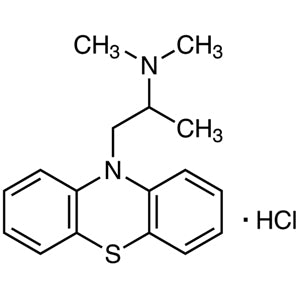
PromethazineHydrochloride TCI P2029
Regular price Rp 1.563.450,00Regular priceRp 1.108.800,00Sale price Rp 1.563.450,00 -
LevocetirizineDihydrochloride TCI L0264
Regular price From Rp 1.193.850,00Regular price -
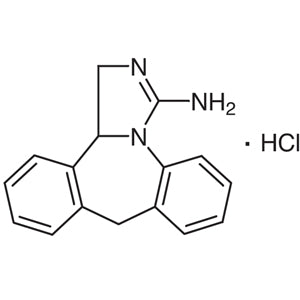
EpinastineHydrochloride TCI E0799
Regular price From Rp 1.458.450,00Regular price -
Desloratadine TCI D3787
Regular price From Rp 1.298.850,00Regular price -
Chlorcyclizine TCI C3867
Regular price Rp 5.910.450,00Regular price -
ClemastineFumarate TCI C3816
Regular price Rp 2.677.500,00Regular price -
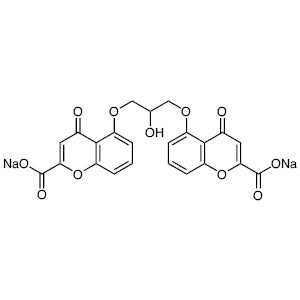
CromolynDisodiumSalt TCI C2521
Regular price From Rp 3.367.350,00Regular price