4-Amino-1-methyl-3-propylpyrazole-5-carboxamide is a chemical compound widely used as a building block in the synthesis of complex heterocyclic compounds. This versatile reagent plays a crucial role in organic chemistry laboratories, where it is employed to construct molecules with intricate ring structures. Its unique molecular framework makes it an essential tool for researchers aiming to develop new pharmaceuticals or bioactive agents. Due to its structural complexity, it is frequently utilized in advanced chemical synthesis processes that require precise molecular manipulation.
The compound is known for its high reactivity and stability under controlled conditions, making it a preferred choice for various chemical transformations. It exhibits sensitivity to oxidation and high temperatures, which necessitates careful handling during synthesis. Its ability to participate in substitution, coupling, and ring-opening reactions makes it highly valuable in the development of novel compounds. These properties make it a sought-after material in laboratories focused on medicinal chemistry and pharmacological research.
In Indonesian laboratories, 4-Amino-1-methyl-3-propylpyrazole-5-carboxamide is commonly used in scientific research projects, particularly in pharmaceutical and medicinal chemistry applications. It is a key component in the development of new drugs and bioactive compounds, supporting both academic and industrial research initiatives. Its availability and chemical versatility make it a popular choice among researchers in universities and research institutions across Indonesia.
Related TCI products
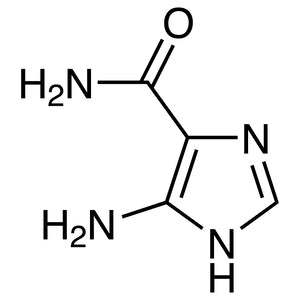
- TCI A3078 360-97-4 5-Amino-1H-imidazole-4-carboxamide
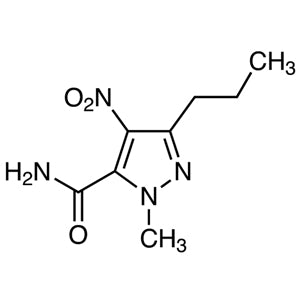
- TCI M2773 139756-01-7 1-Methyl-4-nitro-3-propylpyrazole-5-carboxamide
- TCI T2724 1072-91-9 1,3,5-Trimethylpyrazole
- TCI T2402 3641-08-5 1,2,4-Triazole-3-carboxamide
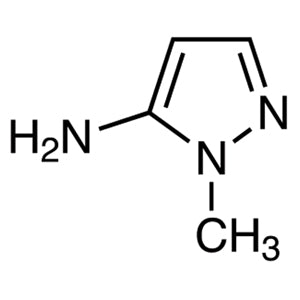
- TCI A3303 1192-21-8 5-Amino-1-methylpyrazole
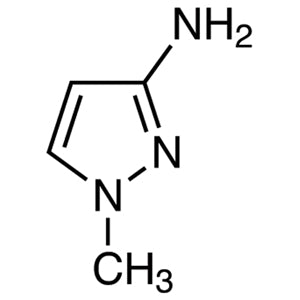
- TCI A2277 1904-31-0 3-Amino-1-methylpyrazole
- Pharmaceutical research and drug development due to its role in synthesizing bioactive compounds with potential therapeutic applications.
- Organic synthesis of heterocyclic compounds, as it provides a stable and reactive platform for molecular construction.
- Medicinal chemistry studies where complex molecular structures are required for the development of new pharmaceutical agents.
- Academic research in chemistry departments focusing on synthetic methodologies and molecular design.
- Industrial applications in chemical manufacturing processes requiring precise chemical building blocks for compound synthesis.
| Brand | TCI |
|---|---|
| CAS number | 139756-02-8 |
| Molecular formula | — |
| Purity | — |
| Category | Chemistry > Building Blocks > Heterocyclic Building Blocks |
| Pack sizes | Available in standard laboratory quantities as per supplier specifications |
| Physical form | Solid (as per standard product description) |
| Storage | Store in a cool, dry place away from light and potential oxidizing agents |
This compound should be stored in a cool, dry environment, away from direct sunlight and sources of heat. It is recommended to use airtight containers to prevent exposure to moisture and air, which may affect its stability. Due to its sensitivity to oxidation, it should be kept separate from strong oxidizing agents. Laboratory personnel should wear appropriate personal protective equipment, including gloves and safety goggles, when handling the material. Proper ventilation should be maintained in the workspace to minimize inhalation risks. The compound should be handled with care to avoid any physical contact or accidental spills, ensuring a safe and controlled laboratory environment.
—
Produk Terkait
-
5-Amino-1H-imidazole-4-carboxamide TCI A3078
Regular price From Rp 1.670.550,00Regular priceRp 1.183.350,00Sale price From Rp 1.670.550,00 -
1-Methyl-4-nitro-3-propylpyrazole-5-carboxamide TCI M2773
Regular price From Rp 1.696.800,00Regular priceRp 1.202.250,00Sale price From Rp 1.696.800,00 -
1,3,5-Trimethylpyrazole TCI T2724
Regular price From Rp 769.650,00Regular priceRp 553.350,00Sale price From Rp 769.650,00 -
1,2,4-Triazole-3-carboxamide TCI T2402
Regular price From Rp 2.147.250,00Regular priceRp 1.517.250,00Sale price From Rp 2.147.250,00 -
5-Amino-1-methylpyrazole TCI A3303
Regular price From Rp 1.856.400,00Regular priceRp 1.313.550,00Sale price From Rp 1.856.400,00 -
3-Amino-1-methylpyrazole TCI A2277
Regular price From Rp 582.750,00Regular priceRp 423.150,00Sale price From Rp 582.750,00 -
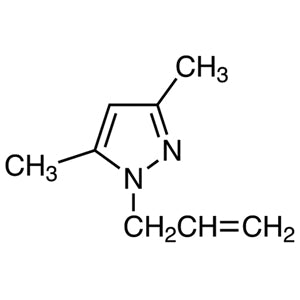
1-Allyl-3,5-dimethylpyrazole TCI A1679
Regular price Rp 2.862.300,00Regular priceRp 2.017.050,00Sale price Rp 2.862.300,00 -
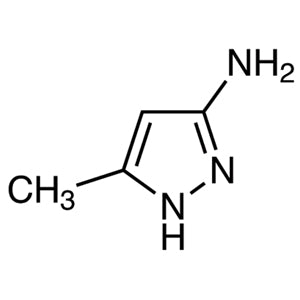
3-Amino-5-methylpyrazole TCI A1133
Regular price Rp 2.862.300,00Regular priceRp 2.017.050,00Sale price Rp 2.862.300,00