5-Acetylthiophene-2-carboxylic Acid is a chemical compound widely used in laboratory settings as a building block for the synthesis of complex heterocyclic compounds. This versatile reagent plays a crucial role in organic chemistry, particularly in the development of pharmaceuticals and industrial chemicals. Its unique molecular structure, featuring a thiophene ring with acetyl and carboxylic acid groups, makes it an essential component in the creation of molecules with biological activity. In research environments, it serves as a key intermediate in the design of new materials and therapeutic agents.
The compound's chemical properties, including its reactivity in nucleophilic, electrophilic, and substitution reactions, make it a preferred choice for chemists. Its ability to participate in various synthetic pathways allows for the efficient synthesis of a wide range of derivatives. The presence of sulfur in its structure also enhances its utility in creating compounds with specific functional properties. These characteristics make it an ideal reagent for advanced organic synthesis and pharmaceutical research.
In Indonesian laboratories, 5-Acetylthiophene-2-carboxylic Acid is commonly used in chemical research focused on drug development and material science. Its availability and reliability make it a standard component in academic and industrial research settings. Researchers rely on its consistent performance to achieve reproducible results in their experiments, contributing to the advancement of scientific knowledge in the region.
TCI brochures (PDF)
- Thiophenes 2026-06-29 · p. 10
- Drug development research benefits from this compound's ability to form biologically active derivatives, supporting the synthesis of potential pharmaceutical compounds.
- Organic synthesis projects utilize its reactivity in nucleophilic and electrophilic reactions, enabling the creation of complex heterocyclic structures.
- Material science studies leverage its unique molecular structure to design new polymers and functional materials with specific properties.
- Analytical chemistry applications use it as a reference standard for identifying and quantifying similar compounds in complex mixtures.
- Industrial chemical production incorporates it as a precursor in the manufacturing of specialty chemicals and intermediates.
| Brand | TCI |
|---|---|
| CAS number | 4066-41-5 |
| Molecular formula | — |
| Purity | — |
| Category | Chemistry > Building Blocks > Heterocyclic Building Blocks |
| Pack sizes | Available in various quantities as per supplier specifications |
| Physical form | Solid, crystalline appearance |
| Storage | Store in a cool, dry place away from light and moisture |
This compound should be stored in a cool, dry environment, away from direct sunlight and sources of heat. It is recommended to keep it in a sealed container to prevent exposure to moisture and air. Due to its chemical nature, it should be handled with appropriate personal protective equipment, such as gloves and safety goggles, to ensure laboratory safety. Avoid contact with incompatible substances, and ensure proper ventilation when working with it. Regular monitoring of storage conditions is essential to maintain its chemical integrity and ensure safe usage in laboratory settings.
—
Produk Terkait
-
3-Acetylthiophene TCI A1006
Regular price Rp 2.809.800,00Regular priceRp 1.980.300,00Sale price Rp 2.809.800,00 -
2-Acetylthiophene TCI A0724
Regular price From Rp 742.350,00Regular priceRp 534.450,00Sale price From Rp 742.350,00 -
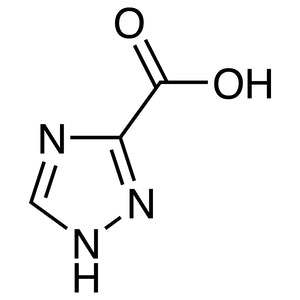
1H-1,2,4-Triazole-3-carboxylicAcid TCI T3824
Regular price From Rp 2.994.600,00Regular priceRp 2.109.450,00Sale price From Rp 2.994.600,00 -
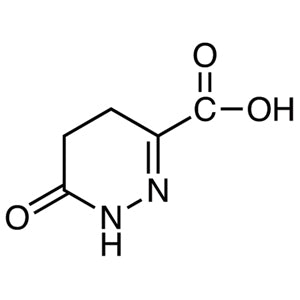
1,4,5,6-Tetrahydro-6-oxopyridazine-3-carboxylicAcid TCI T2955
Regular price From Rp 795.900,00Regular priceRp 572.250,00Sale price From Rp 795.900,00 -
Thiazole-5-carboxylicAcid TCI T2495
Regular price From Rp 1.696.800,00Regular priceRp 1.202.250,00Sale price From Rp 1.696.800,00