2-Acetylthiophene is a chemical compound widely used as a foundational building block in the synthesis of complex heterocyclic compounds. It features a thiophene ring with an acetyl group attached at the 2-position, making it a versatile intermediate in organic chemistry. In the laboratory, this compound plays a crucial role in the development of various chemical structures, including pharmaceuticals, polymers, and other organic materials. Its unique chemical structure allows it to participate in multiple reaction pathways, making it a valuable tool for chemists seeking to create new compounds with specific properties.
The compound's chemical properties make it a preferred choice for synthetic chemists. It exhibits reactivity under appropriate chemical conditions, allowing it to interact with strong bases, organic solvents, and electrophilic reagents. Its ability to engage in reactions such as Friedel-Crafts, Diels-Alder, and substitution reactions enhances its utility in laboratory settings. These characteristics make it a key component in the synthesis of heterocyclic compounds that require high reactivity and structural complexity.
In Indonesian laboratories, 2-Acetylthiophene is commonly used in research and development projects focused on organic synthesis and pharmaceutical chemistry. Its availability and chemical versatility make it a go-to material for scientists working on compound development and material innovation. Its role in creating complex molecular structures underscores its importance in both academic and industrial research environments.
TCI brochures (PDF)
- Thiophenes 2026-06-29 · p. 8
- Organic synthesis of heterocyclic compounds due to its reactivity and structural versatility.
- Pharmaceutical research for the development of new drug molecules with complex ring systems.
- Polymer chemistry applications where thiophene-based structures are required for material properties.
- Chemical research involving electrophilic substitution and aromatic reactions.
- Industrial applications in the production of specialty chemicals and advanced materials.
| Brand | TCI |
|---|---|
| CAS number | 88-15-3 |
| Molecular formula | — |
| Purity | — |
| Category | Chemistry > Building Blocks > Heterocyclic Building Blocks |
| Pack sizes | Available in standard laboratory quantities as per supplier specifications |
| Physical form | Liquid or crystalline, depending on purity and storage conditions |
| Storage | Store in a cool, dry place away from light and incompatible materials |
2-Acetylthiophene should be stored in a cool, dry environment, away from direct sunlight and sources of heat. It is recommended to keep the compound in a tightly sealed container to prevent exposure to air and moisture. Due to its reactivity, it should be stored separately from strong bases, oxidizing agents, and other incompatible substances. In laboratory settings, it is essential to use appropriate personal protective equipment, such as gloves and safety goggles, when handling this compound. Proper ventilation should be maintained to minimize inhalation of vapors. Regular inspection of storage conditions ensures the compound remains stable and suitable for use in chemical experiments.
—
Produk Terkait
-
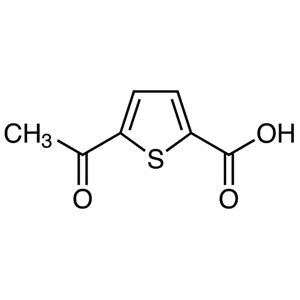
5-Acetylthiophene-2-carboxylicAcid TCI A2866
Regular price From Rp 769.650,00Regular priceRp 553.350,00Sale price From Rp 769.650,00 -
3-Acetylthiophene TCI A1006
Regular price Rp 2.809.800,00Regular priceRp 1.980.300,00Sale price Rp 2.809.800,00 -
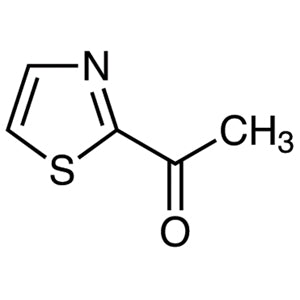
2-Acetylthiazole TCI A1265
Regular price From Rp 1.378.650,00Regular priceRp 979.650,00Sale price From Rp 1.378.650,00 -
3-Butylthiophene TCI B1458
Regular price From Rp 742.350,00Regular priceRp 534.450,00Sale price From Rp 742.350,00 -
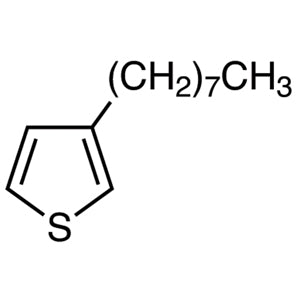
3-n-Octylthiophene TCI O0213
Regular price From Rp 717.150,00Regular priceRp 516.600,00Sale price From Rp 717.150,00 -
1-[(2S)-3-(Acetylthio)-2-methylpropionyl]-L-proline TCI A1528
Regular price From Rp 795.900,00Regular priceRp 572.250,00Sale price From Rp 795.900,00 -
2-Pentylthiophene TCI P1835
Regular price Rp 1.351.350,00Regular priceRp 960.750,00Sale price Rp 1.351.350,00