![64838-55-7 1-[(2S)-3-(Acetylthio)-2-methylpropionyl]-L-proline - AMI Scientific](http://amiscientific.com/cdn/shop/files/TCI2510A1528.jpg?v=1768203859&width=1946)
![64838-55-7 1-[(2S)-3-(Acetylthio)-2-methylpropionyl]-L-proline - AMI Scientific](http://amiscientific.com/cdn/shop/files/TCI2510A1528.jpg?v=1768203859&width=1445)
TCI A1528, with the CAS number 64838-55-7, is a specialized chemical compound known as 1-[(2S)-3-(Acetylthio)-2-methylpropionyl]-L-proline. This compound plays a significant role in chemical biology and peptide chemistry, particularly in the synthesis of complex organic molecules. Its unique structure enables it to participate in various chemical reactions, making it an essential tool for researchers working on molecular modifications and drug development. In laboratory settings, it is widely used for its ability to facilitate precise chemical transformations and contribute to the creation of bioactive compounds.
The compound's high reactivity and functional group diversity make it a preferred choice for advanced chemical synthesis. The presence of both a thioacetyl group and a proline moiety allows it to engage in peptide bond formation and disulfide bridge creation, which are critical in the development of bioactive molecules. Its structural complexity and functional versatility enable it to be a key component in the design of novel pharmaceuticals and biologically active compounds. These properties ensure its relevance in both academic and industrial research environments.
In Indonesian laboratories, this compound is commonly utilized in biochemical and pharmacological studies. Researchers in universities and research institutions rely on it for the synthesis of new compounds with potential therapeutic applications. Its availability in high purity and solid form makes it suitable for use in a wide range of experimental protocols, supporting both fundamental and applied research in the life sciences.
TCI brochures (PDF)
- Amino Acids and Peptide Synthesis Reagents 2025-08-14 · p. 23
Related TCI products
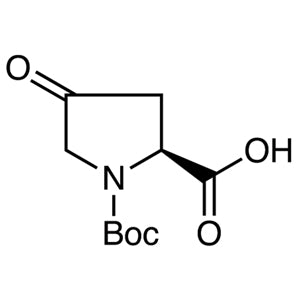
- TCI B4141 84348-37-8 N-(tert-Butoxycarbonyl)-4-oxo-L-proline
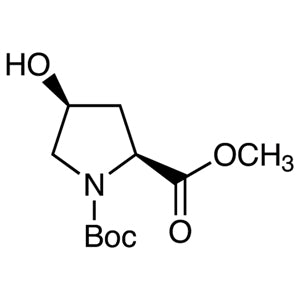
- TCI B3987 102195-79-9 N-(tert-Butoxycarbonyl)-cis-4-hydroxy-L-proline Methyl Ester
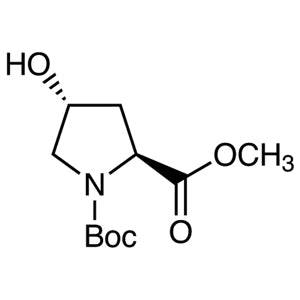
- TCI B3843 74844-91-0 N-(tert-Butoxycarbonyl)-trans-4-hydroxy-L-proline Methyl Ester
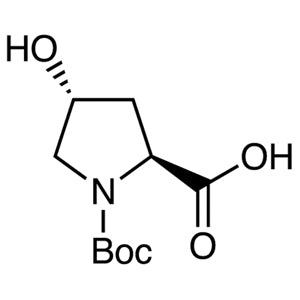
- TCI B1635 13726-69-7 trans-N-(tert-Butoxycarbonyl)-4-hydroxy-L-proline
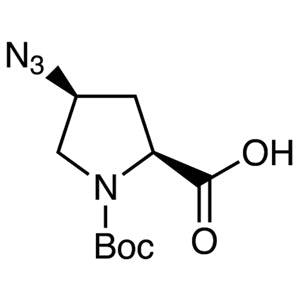
- TCI A3129 132622-65-2 cis-4-Azido-N-(tert-butoxycarbonyl)-L-proline
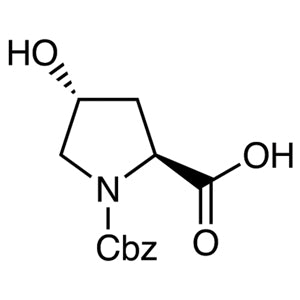
- TCI C2506 13504-85-3 trans-N-Carbobenzoxy-4-hydroxy-L-proline
- Peptide Synthesis: This compound is ideal for synthesizing peptides due to its proline moiety and thioacetyl group, which enable the formation of stable peptide bonds and disulfide bridges.
- Drug Development: Its structural complexity makes it a valuable tool in the design and synthesis of bioactive molecules for pharmaceutical research.
- Biochemical Research: The compound's reactivity supports various biochemical reactions, making it suitable for studies involving molecular modification and enzyme interactions.
- Molecular Modification: Its functional groups allow for precise chemical modifications, aiding in the creation of novel compounds with tailored properties.
- Structural Chemistry Studies: The compound's unique structure is useful in investigating the behavior of complex organic molecules under various reaction conditions.
| Brand | TCI |
|---|---|
| CAS number | 64838-55-7 |
| Molecular formula | — |
| Purity | — |
| Category | Chemistry > Chemical Biology > Peptide Chemistry |
| Pack sizes | Available in various quantities as per standard laboratory supply |
| Physical form | Solid |
| Storage | Store in a cool, dry place away from light and moisture |
This compound should be stored in a cool, dry environment, away from direct light and moisture to maintain its chemical integrity. It is recommended to use airtight containers made of materials such as glass or polyethylene to prevent contamination and degradation. Due to its reactive nature, it should be handled with care, using appropriate personal protective equipment like gloves and safety goggles. In laboratory settings, it should be kept in a designated chemical storage area, separate from incompatible substances. Proper labeling and documentation are essential to ensure safe handling and prevent accidental exposure. Regular monitoring of storage conditions is advised to maintain the compound's quality and effectiveness for research purposes.
—
Product Categories
Produk Terkait
-
N-(tert-Butoxycarbonyl)-4-oxo-L-proline TCI B4141
Regular price From Rp 1.298.850,00Regular price -
N-(tert-Butoxycarbonyl)-cis-4-hydroxy-L-prolineMethylEster TCI B3987
Regular price From Rp 689.850,00Regular price -
N-(tert-Butoxycarbonyl)-trans-4-hydroxy-L-prolineMethylEster TCI B3843
Regular price From Rp 769.650,00Regular price -
trans-N-(tert-Butoxycarbonyl)-4-hydroxy-L-proline TCI B1635
Regular price Rp 1.776.600,00Regular price -
cis-4-Azido-N-(tert-butoxycarbonyl)-L-proline TCI A3129
Regular price From Rp 1.115.100,00Regular price -
trans-N-Carbobenzoxy-4-hydroxy-L-proline TCI C2506
Regular price From Rp 769.650,00Regular price -
cis-N-(tert-Butoxycarbonyl)-4-hydroxy-L-proline TCI B5887
Regular price From Rp 1.167.600,00Regular price -
N-(tert-Butoxycarbonyl)-cis-4-hydroxy-D-prolineMethylEster TCI B5857
Regular price From Rp 717.150,00Regular price