Trans-N-(tert-Butoxycarbonyl)-4-hydroxy-L-proline is a chemical compound widely used in chemical and biochemical experiments, particularly in peptide synthesis. This compound plays a crucial role in laboratories by serving as a protected amino acid derivative, enabling the controlled synthesis of complex peptide structures. Its unique structure allows for the selective protection of hydroxyl groups, making it essential in multi-step synthetic processes. In research settings, it supports the development of bioactive molecules with specific functional properties, enhancing the precision and efficiency of peptide-based experiments.
The compound’s chemical properties make it a preferred choice in synthetic chemistry. The tert-butyloxycarbonyl (Boc) group provides stability against unwanted side reactions, ensuring the integrity of the molecule during synthesis. This stability allows for easier manipulation and handling in laboratory conditions, reducing the risk of degradation. Additionally, its reactivity in deprotection and bond formation reactions makes it versatile for various synthetic strategies. These characteristics make it a reliable and efficient reagent for advanced chemical and biochemical applications.
In Indonesian laboratories, this compound is commonly used by chemists and biochemists for peptide synthesis and molecular structure studies. It is particularly relevant in research areas such as pharmacology and biotechnology, supporting both academic and industrial research efforts. Its application is essential for the development of new therapeutic agents and biochemical tools, contributing to the advancement of scientific knowledge in the region.
TCI brochures (PDF)
- Amino Acids and Peptide Synthesis Reagents 2025-08-14 · p. 12
Related TCI products
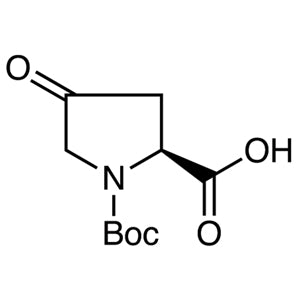
- TCI B4141 84348-37-8 N-(tert-Butoxycarbonyl)-4-oxo-L-proline
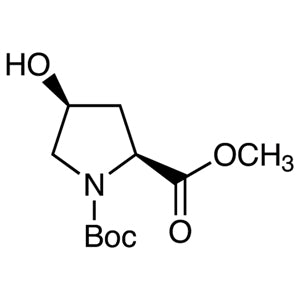
- TCI B3987 102195-79-9 N-(tert-Butoxycarbonyl)-cis-4-hydroxy-L-proline Methyl Ester
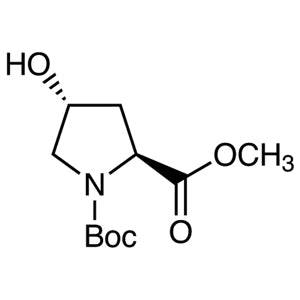
- TCI B3843 74844-91-0 N-(tert-Butoxycarbonyl)-trans-4-hydroxy-L-proline Methyl Ester
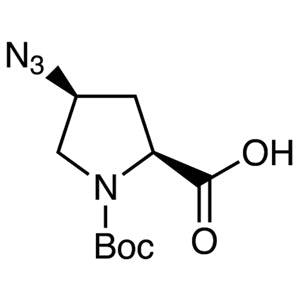
- TCI A3129 132622-65-2 cis-4-Azido-N-(tert-butoxycarbonyl)-L-proline
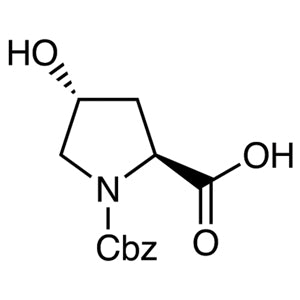
- TCI C2506 13504-85-3 trans-N-Carbobenzoxy-4-hydroxy-L-proline
- TCI B5887 87691-27-8 cis-N-(tert-Butoxycarbonyl)-4-hydroxy-L-proline
- Peptide Synthesis: This compound is ideal for constructing bioactive peptides due to its protected hydroxyl group, enabling precise and controlled synthesis in laboratory settings.
- Molecular Structure Studies: Its complex structure allows researchers to investigate molecular interactions and functional properties in biochemical experiments.
- Bioactive Molecule Development: The compound supports the creation of molecules with specific biological activities, which is crucial for pharmaceutical and biotechnological research.
- Chemical Reactivity Testing: Its reactivity in bond formation and deprotection reactions makes it suitable for studying chemical mechanisms and reaction pathways.
- Educational Research: It is widely used in academic institutions for teaching and research in chemical biology and peptide chemistry.
| Brand | TCI |
|---|---|
| CAS number | 13726-69-7 |
| Molecular formula | — |
| Purity | — |
| Category | Chemistry > Chemical Biology > Peptide Chemistry |
| Pack sizes | Available in various quantities as per supplier specifications |
| Physical form | Solid powder |
| Storage | Store in a cool, dry place away from direct light |
This compound should be stored in a cool, dry environment to maintain its chemical stability. It is recommended to keep it in a sealed container to prevent moisture absorption and contamination. Due to its chemical nature, it should be handled with appropriate personal protective equipment, such as gloves and safety goggles. Avoid exposure to strong acids or bases to prevent degradation. In laboratory settings, it should be stored in a well-ventilated area to ensure safety. Proper labeling and storage conditions are essential to maintain its effectiveness and ensure safe handling during experiments.
—
Product Categories
- Chemical BiologyPeptide ChemistryAmino Acid Derivatives [Peptide Chemistry]
- Chemical BiologyPeptide ChemistryUnnatural Amino Acid Derivatives
- Pharmaceutical Development and Drug Discovery Research ReagentsPeptide ChemistryAmino Acid Derivatives [Peptide Chemistry]
- Pharmaceutical Development and Drug Discovery Research ReagentsPeptide ChemistryUnnatural Amino Acid Derivatives
Produk Terkait
-
N-(tert-Butoxycarbonyl)-4-oxo-L-proline TCI B4141
Regular price Rp 1.351.350,00Regular priceRp 960.750,00Sale price Rp 1.351.350,00 -
N-(tert-Butoxycarbonyl)-cis-4-hydroxy-L-prolineMethylEster TCI B3987
Regular price Rp 742.350,00Regular priceRp 534.450,00Sale price Rp 742.350,00 -
N-(tert-Butoxycarbonyl)-trans-4-hydroxy-L-prolineMethylEster TCI B3843
Regular price Rp 822.150,00Regular priceRp 590.100,00Sale price Rp 822.150,00 -
cis-4-Azido-N-(tert-butoxycarbonyl)-L-proline TCI A3129
Regular price Rp 1.167.600,00Regular priceRp 831.600,00Sale price Rp 1.167.600,00 -
trans-N-Carbobenzoxy-4-hydroxy-L-proline TCI C2506
Regular price Rp 822.150,00Regular priceRp 590.100,00Sale price Rp 822.150,00 -
cis-N-(tert-Butoxycarbonyl)-4-hydroxy-L-proline TCI B5887
Regular price Rp 1.220.100,00Regular priceRp 868.350,00Sale price Rp 1.220.100,00 -
N-(tert-Butoxycarbonyl)-cis-4-hydroxy-D-prolineMethylEster TCI B5857
Regular price Rp 769.650,00Regular priceRp 553.350,00Sale price Rp 769.650,00 -
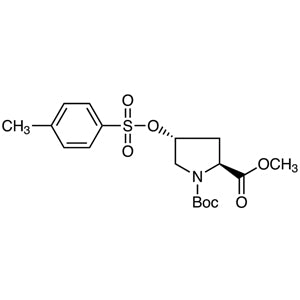
N-(tert-Butoxycarbonyl)-trans-4-(p-toluenesulfonyloxy)-L-prolineMethylEster TCI B5247
Regular price Rp 610.050,00Regular priceRp 442.050,00Sale price Rp 610.050,00