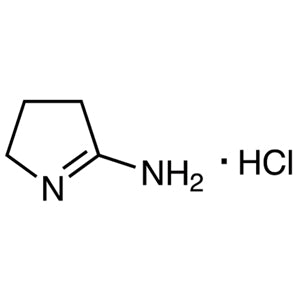
2-Amino-1-pyrroline Hydrochloride is a chemical compound widely used in laboratory settings for the synthesis of heterocyclic compounds. As a building block in organic chemistry, it plays a crucial role in the development of complex molecular structures that incorporate nitrogen atoms. This compound is particularly valuable in research focused on creating new materials and pharmaceuticals, where precise chemical reactions are essential. Its versatility makes it a key component in various synthetic pathways, supporting both academic and industrial research efforts.
The compound is known for its stable molecular structure and moderate reactivity, which allows it to participate effectively in a range of chemical reactions. These properties make it a preferred choice for chemists seeking reliable and consistent results in their experiments. Its ability to undergo substitution reactions and form new bonds further enhances its utility in the laboratory. The solid form of the compound also simplifies handling and processing, contributing to its popularity among researchers.
In Indonesian laboratories, 2-Amino-1-pyrroline Hydrochloride is commonly used in the synthesis of heterocyclic compounds, particularly in organic chemistry and pharmacology research. It is a staple in scientific institutions and universities, where it supports the development of new chemical entities with potential applications in medicine and materials science. Its reliability and broad applicability ensure its continued use in both academic and industrial research environments.
Related TCI products
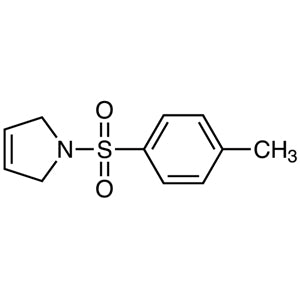
- TCI T1665 16851-72-2 N-(p-Toluenesulfonyl)-3-pyrroline
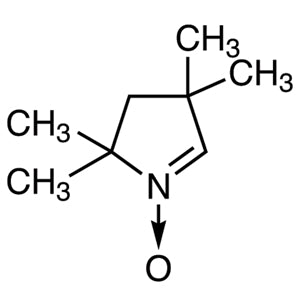
- TCI T1554 10135-38-3 3,3,5,5-Tetramethyl-1-pyrroline N-Oxide
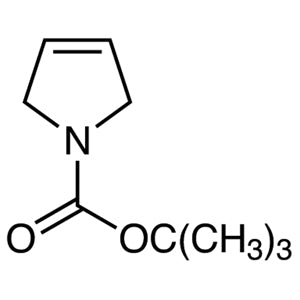
- TCI B3735 73286-70-1 N-(tert-Butoxycarbonyl)-3-pyrroline
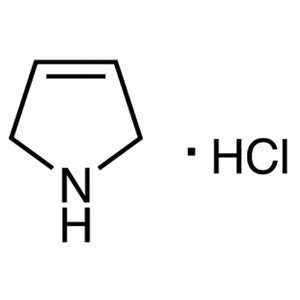
- TCI P2240 63468-63-3 3-Pyrroline Hydrochloride
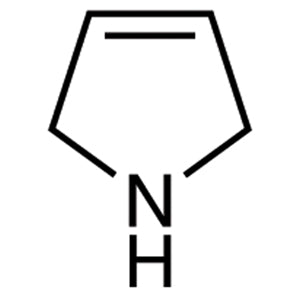
- TCI P0577 109-96-6 3-Pyrroline (contains Pyrrolidine)
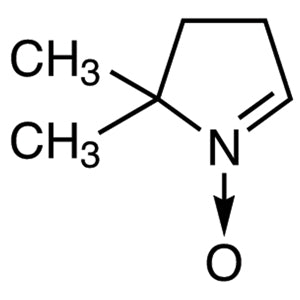
- TCI D2362 3317-61-1 5,5-Dimethyl-1-pyrroline N-Oxide
- Organic synthesis of heterocyclic compounds due to its nitrogen-containing structure and reactivity.
- Pharmaceutical research for the development of new drug molecules and bioactive compounds.
- Material science applications in the creation of advanced polymers and functional materials.
- Chemical education and training for students learning synthetic methodologies and reaction mechanisms.
- Industrial chemical production for the manufacture of specialty chemicals and intermediates.
| Brand | TCI |
|---|---|
| CAS number | 7544-75-4 |
| Molecular formula | — |
| Purity | — |
| Category | Chemistry > Building Blocks > Heterocyclic Building Blocks |
| Pack sizes | Available in various quantities as per standard laboratory supply |
| Physical form | Solid |
| Storage | Store in a cool, dry place away from moisture and direct sunlight |
This compound should be stored in a cool, dry environment to maintain its chemical stability and prevent degradation. It is recommended to use airtight containers to protect it from moisture and humidity, which can affect its reactivity and purity. Due to its chemical nature, it should be handled in a well-ventilated area to minimize exposure. Laboratory personnel should wear appropriate personal protective equipment, such as gloves and safety goggles, when working with this substance. Proper labeling of storage containers is essential for safety and compliance with laboratory protocols. Regular inspection of storage conditions ensures the compound remains suitable for use in chemical reactions and research applications.
—
Product Categories
Produk Terkait
-
N-(p-Toluenesulfonyl)-3-pyrroline TCI T1665
Regular price Rp 2.068.500,00Regular price -
3,3,5,5-Tetramethyl-1-pyrrolineN-Oxide TCI T1554
Regular price From Rp 1.644.300,00Regular price -
N-(tert-Butoxycarbonyl)-3-pyrroline TCI B3735
Regular price From Rp 1.353.450,00Regular price -
3-PyrrolineHydrochloride TCI P2240
Regular price Rp 1.829.100,00Regular price -
3-Pyrroline(containsPyrrolidine) TCI P0577
Regular price Rp 5.935.650,00Regular price -
5,5-Dimethyl-1-pyrrolineN-Oxide TCI D2362
Regular price From Rp 3.763.200,00Regular price -
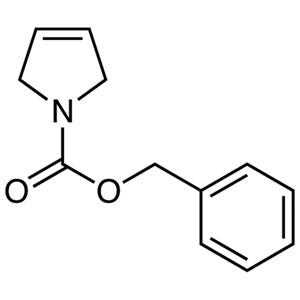
N-Carbobenzoxy-3-pyrroline TCI C2872
Regular price From Rp 689.850,00Regular price -
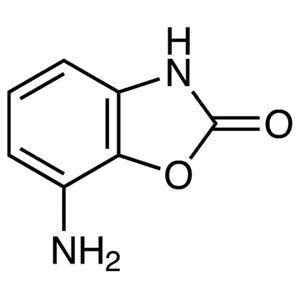
7-Amino-2-benzoxazolinone TCI A2806
Regular price From Rp 1.193.850,00Regular price