3-Pyrroline, with CAS number 109-96-6, is a heterocyclic compound that plays a vital role in organic chemistry laboratories. It serves as a fundamental building block for the synthesis of complex molecules, particularly those involving nitrogen-containing ring structures. Its versatility allows it to participate in a wide range of chemical reactions, making it an essential tool for researchers working on the development of new compounds. In Indonesian laboratories, 3-Pyrroline is widely used in both academic and industrial settings to support chemical innovation and discovery.
One of the key reasons 3-Pyrroline is preferred is its ability to engage in nucleophilic, electrophilic, and substitution reactions. These chemical properties make it highly adaptable to various synthetic strategies. Additionally, its stability under controlled conditions ensures reliable performance in laboratory experiments. This reliability, combined with its chemical reactivity, positions it as a go-to compound for organic chemists seeking to explore new synthetic pathways.
In Indonesian laboratories, 3-Pyrroline is commonly used in pharmaceutical research, biochemistry, and polymer science. Its presence in these fields highlights its importance in the development of new drugs, biologically active compounds, and advanced materials. The compound’s widespread application underscores its value as a core component in modern chemical research and development.
Related TCI products
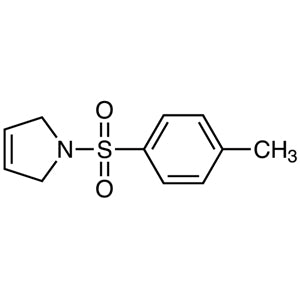
- TCI T1665 16851-72-2 N-(p-Toluenesulfonyl)-3-pyrroline
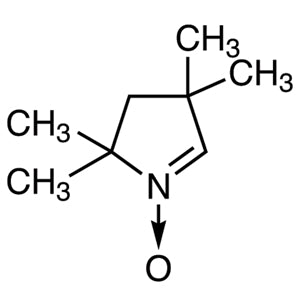
- TCI T1554 10135-38-3 3,3,5,5-Tetramethyl-1-pyrroline N-Oxide
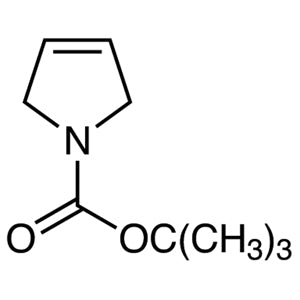
- TCI B3735 73286-70-1 N-(tert-Butoxycarbonyl)-3-pyrroline
- TCI A2963 7544-75-4 2-Amino-1-pyrroline Hydrochloride
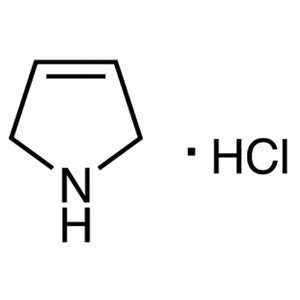
- TCI P2240 63468-63-3 3-Pyrroline Hydrochloride
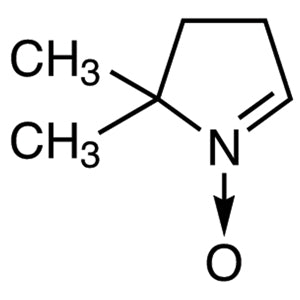
- TCI D2362 3317-61-1 5,5-Dimethyl-1-pyrroline N-Oxide
- Organic synthesis of nitrogen-containing heterocyclic compounds due to its reactivity and structural versatility.
- Pharmaceutical research for the development of new drugs and bioactive molecules through synthetic pathways.
- Biochemical studies involving nitrogen-based ring structures in enzyme mechanisms and metabolic pathways.
- Polymer science applications for the creation of advanced materials with specific functional properties.
- Chemical education and training for students learning about heterocyclic chemistry and synthetic techniques.
| Brand | TCI |
|---|---|
| CAS number | 109-96-6 |
| Molecular formula | — |
| Purity | — |
| Category | Chemistry > Building Blocks > Heterocyclic Building Blocks |
| Pack sizes | Available in various quantities as per supplier specifications |
| Physical form | Liquid or crystalline, depending on the specific product variant |
| Storage | Store in a cool, dry place away from direct sunlight and incompatible substances |
3-Pyrroline should be stored in a cool, dry environment, away from direct sunlight and sources of heat. It is recommended to use airtight containers to prevent exposure to moisture and air, which may affect its chemical stability. Proper labeling of storage containers is essential to ensure safe handling and prevent accidental exposure. In laboratory settings, it should be handled with appropriate personal protective equipment, such as gloves and safety goggles. Due to its chemical nature, it should be kept separate from strong oxidizing agents and reactive materials to avoid potential hazards. Regular monitoring of storage conditions is advised to maintain the integrity and safety of the compound.
—
Produk Terkait
-
N-(p-Toluenesulfonyl)-3-pyrroline TCI T1665
Regular price Rp 2.068.500,00Regular price -
3,3,5,5-Tetramethyl-1-pyrrolineN-Oxide TCI T1554
Regular price From Rp 1.644.300,00Regular price -
N-(tert-Butoxycarbonyl)-3-pyrroline TCI B3735
Regular price From Rp 1.353.450,00Regular price -
2-Amino-1-pyrrolineHydrochloride TCI A2963
Regular price Rp 1.988.700,00Regular price -
3-PyrrolineHydrochloride TCI P2240
Regular price Rp 1.829.100,00Regular price -
5,5-Dimethyl-1-pyrrolineN-Oxide TCI D2362
Regular price From Rp 3.763.200,00Regular price -
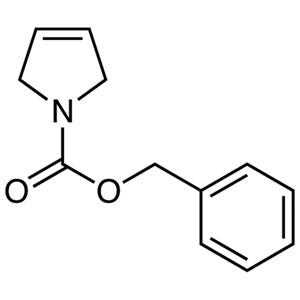
N-Carbobenzoxy-3-pyrroline TCI C2872
Regular price From Rp 689.850,00Regular price -
Tetrahydrofuran-2-ylPyrrolidine-1-carbodithioate TCI T4405
Regular price From Rp 1.988.700,00Regular price