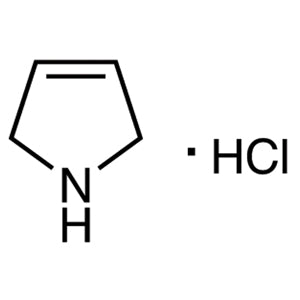
3-Pyrroline Hydrochloride is a chemical compound widely utilized in laboratory settings for its versatility in organic synthesis. As a heterocyclic building block, it plays a crucial role in the development of complex molecules with specific biological or chemical properties. Its structure, similar to pyrrole but with a nitrogen atom replacing a carbon, makes it a valuable intermediate in the creation of various pharmaceutical and industrial compounds. This compound is frequently employed by researchers to explore new synthetic pathways and functional group modifications.
The compound’s key properties include its solubility in organic solvents such as ethyl acetate and ethanol, which facilitates its use in a wide range of chemical reactions. Its stability under controlled laboratory conditions ensures consistent performance in experimental processes. Additionally, the presence of chloride ions enhances its chemical reactivity and stability, making it suitable for diverse synthetic applications. These characteristics contribute to its popularity among chemists working in both academic and industrial environments.
In Indonesian laboratories, 3-Pyrroline Hydrochloride is commonly used in organic chemistry research, particularly in higher education institutions and research centers. Its role in synthesizing bioactive compounds and functional materials makes it an essential component in the study of heterocyclic chemistry. Its availability through suppliers like AMI Scientific ensures that researchers have reliable access to this important reagent.
Related TCI products
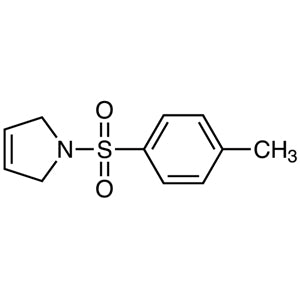
- TCI T1665 16851-72-2 N-(p-Toluenesulfonyl)-3-pyrroline
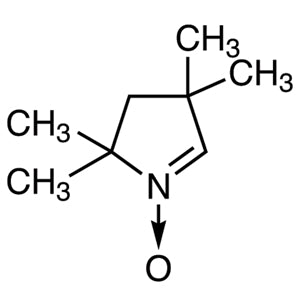
- TCI T1554 10135-38-3 3,3,5,5-Tetramethyl-1-pyrroline N-Oxide
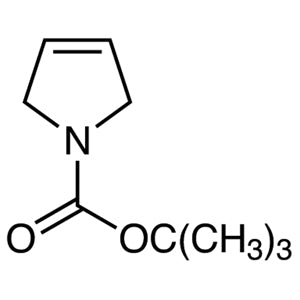
- TCI B3735 73286-70-1 N-(tert-Butoxycarbonyl)-3-pyrroline
- TCI A2963 7544-75-4 2-Amino-1-pyrroline Hydrochloride
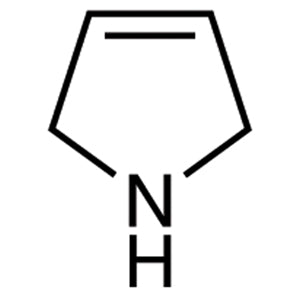
- TCI P0577 109-96-6 3-Pyrroline (contains Pyrrolidine)
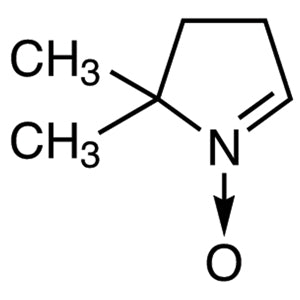
- TCI D2362 3317-61-1 5,5-Dimethyl-1-pyrroline N-Oxide
- Organic synthesis of heterocyclic compounds due to its nitrogen-containing ring structure and reactivity.
- Development of pharmaceutical intermediates as it can be modified to form various bioactive molecules.
- Functional group transformations in chemical reactions because of its ability to participate in multiple reaction mechanisms.
- Research in medicinal chemistry for the creation of drug-like molecules with specific biological activities.
- Analytical applications in the characterization of complex organic compounds through spectroscopic methods.
| Brand | TCI |
|---|---|
| CAS number | 63468-63-3 |
| Molecular formula | — |
| Purity | — |
| Category | Chemistry > Building Blocks > Heterocyclic Building Blocks |
| Pack sizes | Available in various sizes as per supplier specifications |
| Physical form | Solid powder |
| Storage | Store in a cool, dry place away from moisture and direct sunlight |
3-Pyrroline Hydrochloride should be stored in a cool, dry environment to maintain its chemical stability. It is recommended to keep the compound in a sealed container to prevent exposure to moisture and air. Due to its hygroscopic nature, it is important to ensure that the storage area is well-ventilated and free from sources of heat. Avoid direct sunlight to prevent any degradation of the compound. Always handle the material with appropriate personal protective equipment, such as gloves and safety goggles, to ensure laboratory safety. Proper storage conditions help preserve the compound’s integrity and ensure its effectiveness in experimental applications.
—
Produk Terkait
-
N-(p-Toluenesulfonyl)-3-pyrroline TCI T1665
Regular price Rp 2.121.000,00Regular priceRp 1.498.350,00Sale price Rp 2.121.000,00 -
3,3,5,5-Tetramethyl-1-pyrrolineN-Oxide TCI T1554
Regular price Rp 1.696.800,00Regular priceRp 1.202.250,00Sale price Rp 1.696.800,00 -
N-(tert-Butoxycarbonyl)-3-pyrroline TCI B3735
Regular price Rp 1.405.950,00Regular priceRp 998.550,00Sale price Rp 1.405.950,00 -
2-Amino-1-pyrrolineHydrochloride TCI A2963
Regular price Rp 2.041.200,00Regular priceRp 1.442.700,00Sale price Rp 2.041.200,00 -
3-Pyrroline(containsPyrrolidine) TCI P0577
Regular price Rp 5.988.150,00Regular priceRp 4.203.150,00Sale price Rp 5.988.150,00 -
5,5-Dimethyl-1-pyrrolineN-Oxide TCI D2362
Regular price Rp 3.815.700,00Regular priceRp 2.683.800,00Sale price Rp 3.815.700,00 -
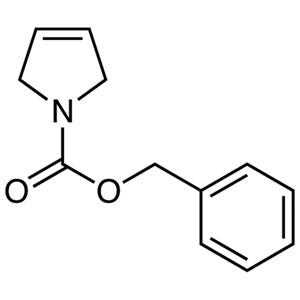
N-Carbobenzoxy-3-pyrroline TCI C2872
Regular price Rp 742.350,00Regular priceRp 534.450,00Sale price Rp 742.350,00