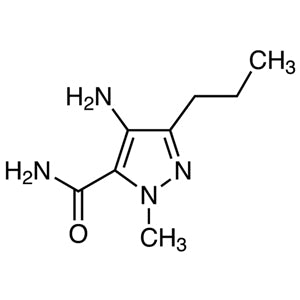
2-Aminothiophene-3-carboxamide is a chemical compound widely used in organic synthesis reactions, particularly in the formation of heterocyclic compounds. This material plays a crucial role in laboratories where the development of complex molecular structures is required. Its unique chemical structure makes it a valuable building block for creating compounds with specific biological activities. It is commonly utilized in the synthesis of pharmaceuticals and industrial chemicals, contributing to the advancement of research in various scientific fields.
The compound is known for its high reactivity and solubility in organic solvents, which makes it ideal for a variety of chemical reactions. Its ability to participate in substitution, conjugation, and other reactions under controlled conditions ensures its versatility in synthetic applications. The favorable solubility characteristics also simplify the processing and handling of the compound in laboratory settings, enhancing its usability across different experimental protocols.
In Indonesian laboratories, 2-Aminothiophene-3-carboxamide is extensively used in scientific research, particularly in the fields of organic chemistry and pharmacology. It is a key component in the development of new compounds with potential medical or industrial applications. Research institutions and universities in Indonesia frequently employ this compound to explore its properties and applications in drug discovery and chemical synthesis.
TCI brochures (PDF)
- Thiophenes 2026-06-29 · p. 9
Related TCI products
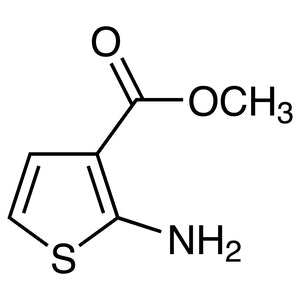
- TCI M1697 4651-81-4 Methyl 2-Aminothiophene-3-carboxylate
- TCI E1418 844502-63-2 3-Ethyl 4-Methyl 2-Aminothiophene-3,4-dicarboxylate
- TCI T2402 3641-08-5 1,2,4-Triazole-3-carboxamide
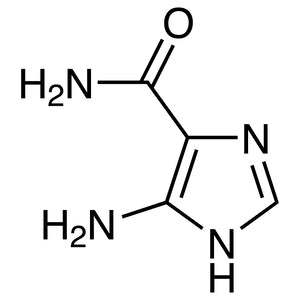
- TCI A3078 360-97-4 5-Amino-1H-imidazole-4-carboxamide
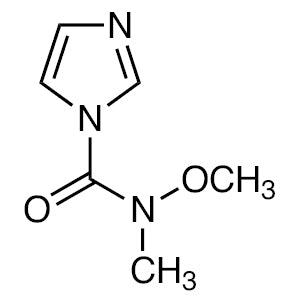
- TCI M2558 862873-06-1 N-Methoxy-N-methyl-1H-imidazole-1-carboxamide
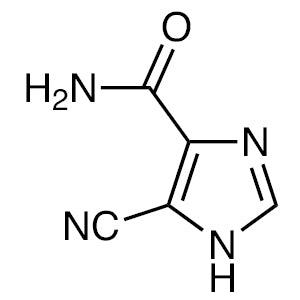
- TCI C1338 5372-23-6 5-Cyano-1H-imidazole-4-carboxamide
- Organic synthesis applications benefit from this compound due to its reactivity and ability to form complex heterocyclic structures.
- Pharmaceutical research utilizes it as a building block for the development of new drugs with targeted biological activities.
- Industrial chemical synthesis relies on its solubility and reactivity for the production of specialty chemicals.
- Academic research in pharmacology uses it to study molecular interactions and biological effects.
- Drug discovery programs incorporate it to explore its potential in creating novel therapeutic agents.
| Brand | TCI |
|---|---|
| CAS number | 14080-51-4 |
| Molecular formula | — |
| Purity | — |
| Category | Chemistry > Building Blocks > Heterocyclic Building Blocks |
| Pack sizes | Available in various quantities as per standard laboratory supply |
| Physical form | Solid, crystalline appearance |
| Storage | Store in a cool, dry place away from direct sunlight |
This compound should be stored in a cool, dry environment to maintain its chemical integrity. It is recommended to keep it in airtight containers to prevent moisture absorption and contamination. Due to its reactivity, it should be handled with care, using appropriate personal protective equipment such as gloves and goggles. It is advisable to store it away from incompatible substances to avoid any potential chemical interactions. Proper labeling of storage containers is essential for safe handling and easy identification. Maintaining a controlled laboratory environment ensures the stability and effectiveness of the compound during experiments.
—
Product Categories
Produk Terkait
-
Methyl2-Aminothiophene-3-carboxylate TCI M1697
Regular price From Rp 1.723.050,00Regular priceRp 1.220.100,00Sale price From Rp 1.723.050,00 -
3-Ethyl4-Methyl2-Aminothiophene-3,4-dicarboxylate TCI E1418
Regular price From Rp 1.881.600,00Regular priceRp 1.331.400,00Sale price From Rp 1.881.600,00 -
1,2,4-Triazole-3-carboxamide TCI T2402
Regular price From Rp 2.147.250,00Regular priceRp 1.517.250,00Sale price From Rp 2.147.250,00 -
5-Amino-1H-imidazole-4-carboxamide TCI A3078
Regular price From Rp 1.670.550,00Regular priceRp 1.183.350,00Sale price From Rp 1.670.550,00 -
N-Methoxy-N-methyl-1H-imidazole-1-carboxamide TCI M2558
Regular price Rp 1.326.150,00Regular priceRp 942.900,00Sale price Rp 1.326.150,00 -
5-Cyano-1H-imidazole-4-carboxamide TCI C1338
Regular price From Rp 928.200,00Regular priceRp 664.650,00Sale price From Rp 928.200,00 -
4-Amino-1-methyl-3-propylpyrazole-5-carboxamide TCI A2857
Regular price From Rp 1.220.100,00Regular priceRp 868.350,00Sale price From Rp 1.220.100,00