Alpha-D-Glucosamine Pentaacetate is a chemical compound widely used in laboratory research across the fields of chemical biology and glycoscience. This compound is a modified form of glucosamine, with five acetyl groups attached, which enhances its stability and solubility compared to the native form. It serves as a key reagent in various biochemical processes and is particularly valuable for its structural clarity and high purity, making it ideal for precise experimental applications. Its chemical stability under controlled conditions simplifies handling and storage, contributing to its reliability in laboratory settings.
The compound’s enhanced solubility and chemical stability make it a preferred choice for researchers working with complex biological molecules. Its modified structure allows it to be a versatile building block for the synthesis of glycoproteins and glycolipids, which are essential in understanding cellular processes and disease mechanisms. The high purity and consistent quality of Alpha-D-Glucosamine Pentaacetate ensure reproducibility in experiments, supporting accurate and reliable scientific outcomes. These properties make it a trusted material in both academic and industrial research environments.
In Indonesian laboratories, Alpha-D-Glucosamine Pentaacetate is commonly used in studies related to chronic diseases such as diabetes and degenerative conditions. It is a staple in biochemical and pharmacological research, supporting investigations into molecular mechanisms and therapeutic development. Its availability and reliability have made it a standard component in the research workflows of universities and research institutions across Indonesia.
Related TCI products
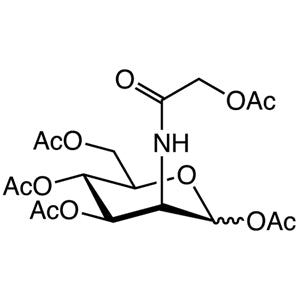
- TCI G0463 258824-38-3 N-Glycolyl-D-mannosamine Pentaacetate
- TCI V0011 63223-57-4 N-Valeryl-D-glucosamine
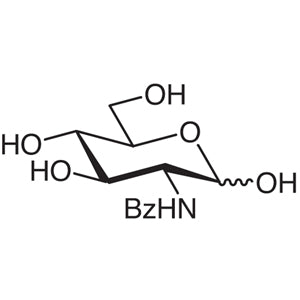
- TCI B0200 655-42-5 N-Benzoyl-D-glucosamine
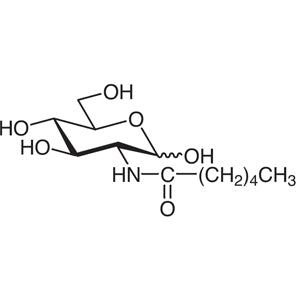
- TCI H0118 19817-88-0 N-Hexanoyl-D-glucosamine
- TCI T2641 22224-41-5 1,3,5-Tri-O-benzoyl-alpha-D-ribofuranose
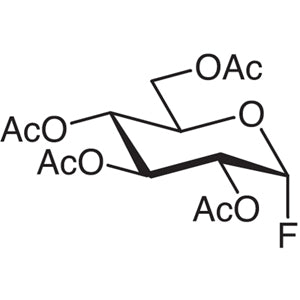
- TCI T1995 3934-29-0 2,3,4,6-Tetra-O-acetyl-alpha-D-glucopyranosyl Fluoride
- Biochemical synthesis of glycoproteins and glycolipids due to its stable structure and high purity.
- Research on chronic diseases like diabetes and degenerative disorders for molecular mechanism studies.
- Development of pharmaceutical compounds through controlled chemical modifications and reactions.
- Support for glycoscience research requiring precise and reproducible experimental conditions.
- Use in pharmacological studies to evaluate the behavior of complex biological molecules in vitro.
| Brand | TCI |
|---|---|
| CAS number | 7784-54-5 |
| Molecular formula | — |
| Purity | — |
| Category | Chemistry > Chemical Biology > Glycoscience |
| Pack sizes | Available in standard laboratory quantities |
| Physical form | Solid powder |
| Storage | Store in a cool, dry place away from direct sunlight |
Alpha-D-Glucosamine Pentaacetate should be stored in a cool, dry environment to maintain its chemical stability and prevent degradation. It is recommended to keep the compound in airtight containers to minimize exposure to moisture and air, which could affect its purity. Due to its non-toxic and biodegradable nature, it is safe to handle with standard laboratory precautions. Proper labeling and secure storage are essential to ensure safe access and prevent accidental contamination. The compound is suitable for use in standard laboratory conditions, provided that all safety protocols are followed during handling and experimentation.
—
Produk Terkait
-
N-Glycolyl-D-mannosaminePentaacetate TCI G0463
Regular price Rp 9.566.550,00Regular priceRp 6.705.300,00Sale price Rp 9.566.550,00 -
N-Valeryl-D-glucosamine TCI V0011
Regular price Rp 1.618.050,00Regular priceRp 1.146.600,00Sale price Rp 1.618.050,00 -
N-Benzoyl-D-glucosamine TCI B0200
Regular price From Rp 1.351.350,00Regular priceRp 960.750,00Sale price From Rp 1.351.350,00 -
N-Hexanoyl-D-glucosamine TCI H0118
Regular price Rp 1.934.100,00Regular priceRp 1.368.150,00Sale price Rp 1.934.100,00 -
1,3,5-Tri-O-benzoyl-alpha-D-ribofuranose TCI T2641
Regular price From Rp 1.829.100,00Regular priceRp 1.294.650,00Sale price From Rp 1.829.100,00 -
2,3,4,6-Tetra-O-acetyl-alpha-D-glucopyranosylFluoride TCI T1995
Regular price Rp 3.365.250,00Regular priceRp 2.368.800,00Sale price Rp 3.365.250,00 -
2,3,4,6-Tetra-O-benzyl-alpha-D-glucopyranosylFluoride TCI T1922
Regular price Rp 4.636.800,00Regular priceRp 3.258.150,00Sale price Rp 4.636.800,00 -
1,3,4,6-Tetra-O-acetyl-2-azido-2-deoxy-alpha-D-mannopyranose TCI T1733
Regular price Rp 5.512.500,00Regular priceRp 3.870.300,00Sale price Rp 5.512.500,00