TCI A3498 2361-96-8 Ac-Phe-OEt is a chemical compound widely used in laboratory settings, particularly in the field of chemical biology and peptide chemistry. This compound serves as a key building block in the synthesis of bioactive molecules, including pharmaceuticals and pharmacologically active substances. Its role in the laboratory is critical for creating complex molecular structures that are essential for drug development and biochemical research. Due to its chemical stability and reactivity, it is a favored material for precise chemical synthesis processes.
The compound's chemical properties make it a preferred choice for researchers. It exhibits a stable chemical structure that allows it to participate in various chemical reactions without significant degradation. Its ability to react with different reagents, such as acids, bases, and organic solvents, enhances its versatility in laboratory applications. This adaptability enables scientists to carry out a wide range of synthetic reactions with high precision and efficiency.
In Indonesian laboratories, TCI A3498 2361-96-8 Ac-Phe-OEt is commonly used in biological chemistry, pharmacology, and material science research. Its availability and consistent quality make it a go-to material for scientists aiming to accelerate the synthesis of bioactive compounds. Its reliability and performance in various experimental conditions contribute to its widespread use in both academic and industrial research settings.
TCI brochures (PDF)
- Amino Acids and Peptide Synthesis Reagents 2025-08-14 · p. 11
Related TCI products
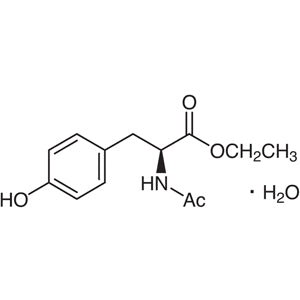
- TCI A0118 36546-50-6 N-Acetyl-L-tyrosine Ethyl Ester Monohydrate
- TCI T2870 4465-44-5 N-(Triphenylmethyl)-L-serine Methyl Ester
- TCI B5216 91229-91-3 tert-Butyl N-(tert-Butoxycarbonyl)-L-pyroglutamate
- TCI B4912 5891-45-2 1-tert-Butyl N-Carbobenzoxy-L-glutamate
- TCI B4787 73323-65-6 N-(tert-Butoxycarbonyl)-D-proline Methyl Ester
- TCI B4303 34404-30-3 1-Benzyl N-(tert-Butoxycarbonyl)-D-glutamate
- Peptide Synthesis: This compound is ideal for constructing peptide chains due to its ability to form stable amide bonds during solid-phase peptide synthesis.
- Drug Development: It is frequently used in the synthesis of bioactive pharmaceuticals, where precise molecular structure is essential for therapeutic efficacy.
- Biochemical Research: Its role in creating molecules with biological activity makes it valuable for studying enzyme interactions and receptor binding.
- Organic Chemistry Reactions: The compound’s reactivity with various reagents allows it to be used in a wide range of organic synthesis processes.
- Analytical Chemistry: It serves as a standard reference material for testing and calibrating analytical instruments in chemical analysis.
| Brand | TCI |
|---|---|
| CAS number | 2361-96-8 |
| Molecular formula | — |
| Purity | — |
| Category | Chemistry > Chemical Biology > Peptide Chemistry |
| Pack sizes | Available in various quantities as per supplier specifications |
| Physical form | Liquid or solid, depending on the specific formulation |
| Storage | Store in a cool, dry place away from direct sunlight |
This compound should be stored in a cool, dry environment to maintain its chemical stability and prevent degradation. It is recommended to use airtight containers to protect it from moisture and contaminants. When handling, it is important to wear appropriate personal protective equipment, such as gloves and safety goggles, to ensure safety. Avoid exposure to direct sunlight and high temperatures, as these can affect the compound’s properties. Proper labeling of containers is essential for safe storage and easy identification. In laboratory settings, it should be kept in a well-ventilated area to minimize any potential risks associated with its chemical nature.
—
Product Categories
Produk Terkait
-
N-Acetyl-L-tyrosineEthylEsterMonohydrate TCI A0118
Regular price From Rp 662.550,00Regular priceRp 478.800,00Sale price From Rp 662.550,00 -
N-(Triphenylmethyl)-L-serineMethylEster TCI T2870
Regular price From Rp 1.431.150,00Regular priceRp 1.016.400,00Sale price From Rp 1.431.150,00 -
tert-ButylN-(tert-Butoxycarbonyl)-L-pyroglutamate TCI B5216
Regular price From Rp 1.087.800,00Regular priceRp 775.950,00Sale price From Rp 1.087.800,00 -
1-tert-ButylN-Carbobenzoxy-L-glutamate TCI B4912
Regular price From Rp 742.350,00Regular priceRp 534.450,00Sale price From Rp 742.350,00 -
N-(tert-Butoxycarbonyl)-D-prolineMethylEster TCI B4787
Regular price From Rp 822.150,00Regular priceRp 590.100,00Sale price From Rp 822.150,00 -
1-BenzylN-(tert-Butoxycarbonyl)-D-glutamate TCI B4303
Regular price From Rp 1.246.350,00Regular priceRp 887.250,00Sale price From Rp 1.246.350,00 -
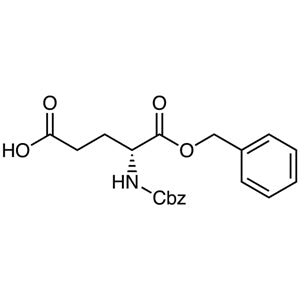
1-BenzylN-Benzyloxycarbonyl-D-glutamate TCI B4281
Regular price Rp 2.464.350,00Regular priceRp 1.738.800,00Sale price Rp 2.464.350,00 -
N-(tert-Butoxycarbonyl)-L-phenylalanineMethylEster TCI B4259
Regular price From Rp 928.200,00Regular priceRp 664.650,00Sale price From Rp 928.200,00