Tert-Butyl N-(tert-Butoxycarbonyl)-L-pyroglutamate, with CAS number 91229-91-3, is a key chemical compound used in peptide chemistry and chemical biology. This compound serves as an essential building block in the synthesis of bioactive molecules, particularly in the development of pharmaceuticals and biologically active substances. Its unique structure allows it to participate in various chemical reactions, making it a versatile reagent in synthetic pathways. In laboratory settings, it is widely utilized for its ability to form stable intermediates during peptide synthesis.
The compound’s chemical properties, including its solubility in organic solvents and stability under controlled conditions, make it a preferred choice for researchers. Its ability to undergo specific chemical interactions enables the creation of complex molecular structures. The compound's structural complexity and reactivity contribute to its effectiveness in various synthetic processes. These characteristics ensure that it remains a reliable and efficient material for chemical synthesis.
In Indonesian laboratories, this compound is a critical resource for researchers in chemical biology and pharmacology. It is commonly used in academic and industrial research settings to develop new drugs and understand molecular mechanisms. Its availability through AMI Scientific ensures that Indonesian scientists have access to high-quality reagents for their experiments. The compound's role in enzyme inhibition and receptor modulation further highlights its importance in drug discovery and development.
TCI brochures (PDF)
- Amino Acids and Peptide Synthesis Reagents 2025-08-14 · p. 15
Related TCI products
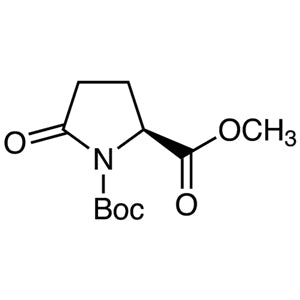
- TCI M2803 108963-96-8 Methyl N-(tert-Butoxycarbonyl)-L-pyroglutamate
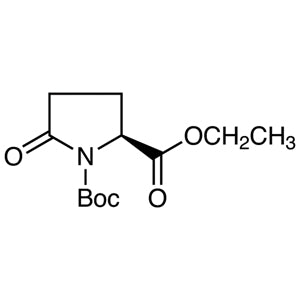
- TCI E1135 144978-12-1 Ethyl N-(tert-Butoxycarbonyl)-L-pyroglutamate
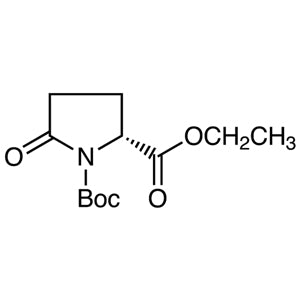
- TCI E0940 144978-35-8 Ethyl N-(tert-Butoxycarbonyl)-D-pyroglutamate
- TCI B4787 73323-65-6 N-(tert-Butoxycarbonyl)-D-proline Methyl Ester
- TCI B4303 34404-30-3 1-Benzyl N-(tert-Butoxycarbonyl)-D-glutamate
- TCI B4259 51987-73-6 N-(tert-Butoxycarbonyl)-L-phenylalanine Methyl Ester
- Peptide Synthesis: This compound is widely used in solid-phase peptide synthesis due to its ability to form stable intermediates and its compatibility with standard peptide coupling reactions.
- Drug Development: It plays a crucial role in the synthesis of bioactive peptides, which are essential in the development of new therapeutic agents.
- Enzyme Inhibition Studies: Its use in creating enzyme inhibitors helps in understanding and modulating biological pathways involved in disease mechanisms.
- Receptor Modulation Research: It is employed to develop compounds that can interact with specific receptors, aiding in the study of cellular signaling processes.
- Organic Chemistry Research: Its structural versatility makes it a valuable reagent in various organic synthesis pathways, supporting diverse research applications.
| Brand | TCI |
|---|---|
| CAS number | 91229-91-3 |
| Molecular formula | — |
| Purity | — |
| Category | Chemistry > Chemical Biology > Peptide Chemistry |
| Pack sizes | Available in various quantities as per standard laboratory requirements |
| Physical form | Solid powder |
| Storage | Store in a cool, dry place away from direct sunlight |
This compound should be stored in a cool, dry environment, away from direct sunlight and moisture. It is recommended to use airtight containers to prevent exposure to humidity and contaminants. Due to its chemical nature, it should be handled with appropriate personal protective equipment, such as gloves and safety goggles. Proper ventilation is essential when working with this material to ensure safe laboratory practices. The compound is stable under normal storage conditions but should be kept in a secure location to prevent accidental exposure. Always follow standard laboratory safety protocols when handling and storing chemical reagents.
—
Product Categories
Produk Terkait
-
MethylN-(tert-Butoxycarbonyl)-L-pyroglutamate TCI M2803
Regular price From Rp 742.350,00Regular priceRp 534.450,00Sale price From Rp 742.350,00 -
EthylN-(tert-Butoxycarbonyl)-L-pyroglutamate TCI E1135
Regular price From Rp 505.050,00Regular priceRp 368.550,00Sale price From Rp 505.050,00 -
EthylN-(tert-Butoxycarbonyl)-D-pyroglutamate TCI E0940
Regular price From Rp 557.550,00Regular priceRp 405.300,00Sale price From Rp 557.550,00 -
N-(tert-Butoxycarbonyl)-D-prolineMethylEster TCI B4787
Regular price From Rp 822.150,00Regular priceRp 590.100,00Sale price From Rp 822.150,00 -
1-BenzylN-(tert-Butoxycarbonyl)-D-glutamate TCI B4303
Regular price From Rp 1.246.350,00Regular priceRp 887.250,00Sale price From Rp 1.246.350,00 -
N-(tert-Butoxycarbonyl)-L-phenylalanineMethylEster TCI B4259
Regular price From Rp 928.200,00Regular priceRp 664.650,00Sale price From Rp 928.200,00 -
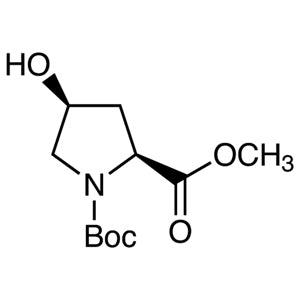
N-(tert-Butoxycarbonyl)-cis-4-hydroxy-L-prolineMethylEster TCI B3987
Regular price From Rp 742.350,00Regular priceRp 534.450,00Sale price From Rp 742.350,00 -
Nalpha-(tert-Butoxycarbonyl)-L-asparagine4-NitrophenylEster TCI B3915
Regular price Rp 1.351.350,00Regular priceRp 960.750,00Sale price Rp 1.351.350,00