Methyl N-(tert-Butoxycarbonyl)-L-pyroglutamate is a chemical compound widely used in peptide chemistry and biochemical research. This compound plays a crucial role in the synthesis of peptides, where it serves as a protected amino acid derivative. Its structure allows for controlled chemical reactions during the synthesis process, ensuring the formation of stable and accurate peptide bonds. In laboratory settings, it is essential for researchers working on protein engineering, drug development, and molecular biology applications.
The compound’s unique properties, particularly its tert-butoxycarbonyl group, make it a preferred choice for chemists and biochemists. This functional group provides stability during synthesis, reducing unwanted side reactions and improving the efficiency of peptide construction. Its chemical stability under specific conditions also enhances its usability in long-term research projects. These characteristics make it a reliable and versatile reagent for advanced laboratory work.
In Indonesian laboratories, Methyl N-(tert-Butoxycarbonyl)-L-pyroglutamate is commonly used in biochemical, pharmacological, and food science research. It is a key component in studies involving peptide synthesis, amino acid modification, and the investigation of biological activities of various compounds. Its availability and reliability have made it a staple in academic and industrial research settings across Indonesia.
TCI brochures (PDF)
- Amino Acids and Peptide Synthesis Reagents 2025-08-14 · p. 16
Related TCI products
- TCI B5216 91229-91-3 tert-Butyl N-(tert-Butoxycarbonyl)-L-pyroglutamate
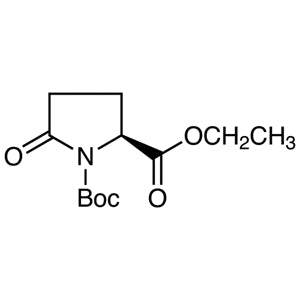
- TCI E1135 144978-12-1 Ethyl N-(tert-Butoxycarbonyl)-L-pyroglutamate
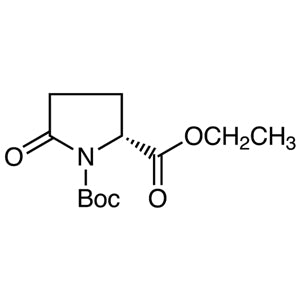
- TCI E0940 144978-35-8 Ethyl N-(tert-Butoxycarbonyl)-D-pyroglutamate
- TCI B4787 73323-65-6 N-(tert-Butoxycarbonyl)-D-proline Methyl Ester
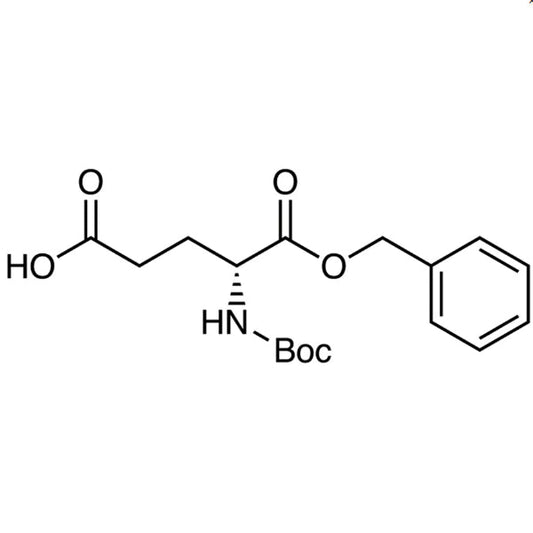
- TCI B4303 34404-30-3 1-Benzyl N-(tert-Butoxycarbonyl)-D-glutamate
- TCI B4259 51987-73-6 N-(tert-Butoxycarbonyl)-L-phenylalanine Methyl Ester
- Peptide Synthesis: This compound is ideal for peptide synthesis due to its protected amino acid structure, which allows for controlled and efficient bond formation.
- Amino Acid Modification: It is used to modify amino acids in biochemical experiments, enabling the study of their functional roles in proteins and enzymes.
- Biological Activity Studies: Researchers use it to investigate the biological activity of compounds, particularly in drug discovery and molecular biology.
- Protein Engineering: Its role in forming stable peptide bonds makes it valuable in protein engineering and structural biology research.
- Food Science Research: It is applied in food science to study the chemical composition and functional properties of peptides in food products.
| Brand | TCI |
|---|---|
| CAS number | 108963-96-8 |
| Molecular formula | — |
| Purity | — |
| Category | Chemistry > Chemical Biology > Peptide Chemistry |
| Pack sizes | Available in various quantities as per supplier specifications |
| Physical form | Solid powder |
| Storage | Store in a cool, dry place away from moisture and direct sunlight |
This compound should be stored in a cool, dry environment to maintain its chemical stability and prevent degradation. It is recommended to use airtight containers to protect it from moisture and contaminants. Due to its chemical nature, it should be handled with appropriate personal protective equipment, such as gloves and safety goggles, to ensure laboratory safety. Avoid exposure to heat and direct sunlight, as these conditions may affect its integrity. Proper labeling of containers is essential for safe handling and to prevent cross-contamination. Always follow standard laboratory safety protocols when working with this compound.
—
Product Categories
Produk Terkait
-
tert-ButylN-(tert-Butoxycarbonyl)-L-pyroglutamate TCI B5216
Regular price From Rp 1.035.300,00Regular price -
EthylN-(tert-Butoxycarbonyl)-L-pyroglutamate TCI E1135
Regular price From Rp 452.550,00Regular price -
EthylN-(tert-Butoxycarbonyl)-D-pyroglutamate TCI E0940
Regular price From Rp 505.050,00Regular price -
N-(tert-Butoxycarbonyl)-D-prolineMethylEster TCI B4787
Regular price From Rp 769.650,00Regular price -
1-BenzylN-(tert-Butoxycarbonyl)-D-glutamate TCI B4303
Regular price From Rp 1.193.850,00Regular price -
N-(tert-Butoxycarbonyl)-L-phenylalanineMethylEster TCI B4259
Regular price From Rp 875.700,00Regular price -
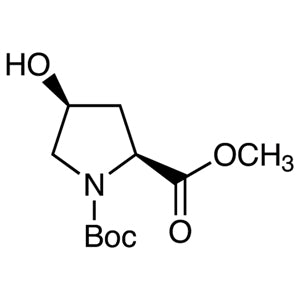
N-(tert-Butoxycarbonyl)-cis-4-hydroxy-L-prolineMethylEster TCI B3987
Regular price From Rp 689.850,00Regular price -
Nalpha-(tert-Butoxycarbonyl)-L-asparagine4-NitrophenylEster TCI B3915
Regular price Rp 1.298.850,00Regular price